
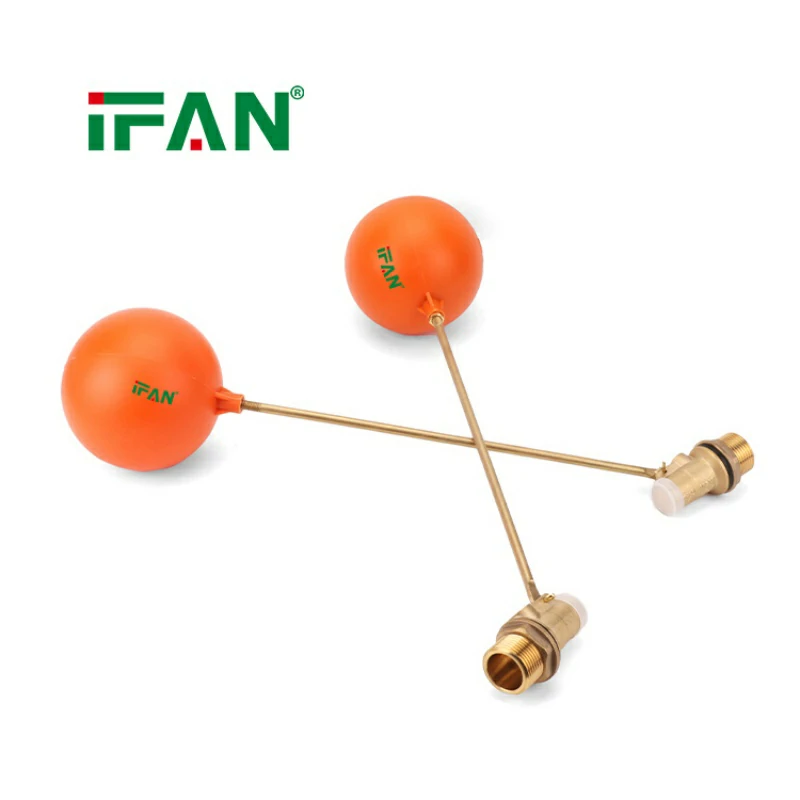
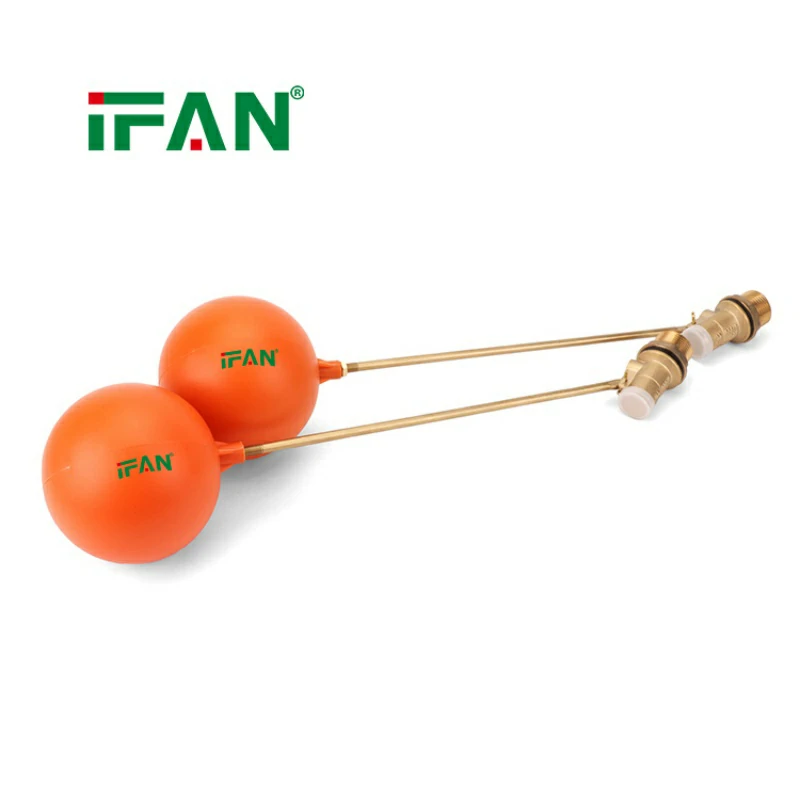
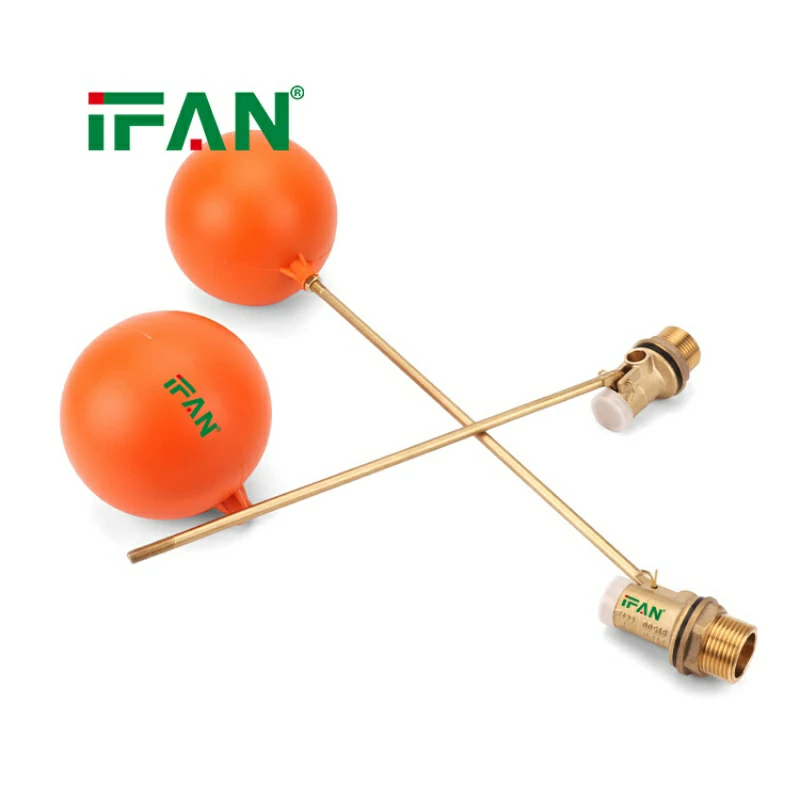
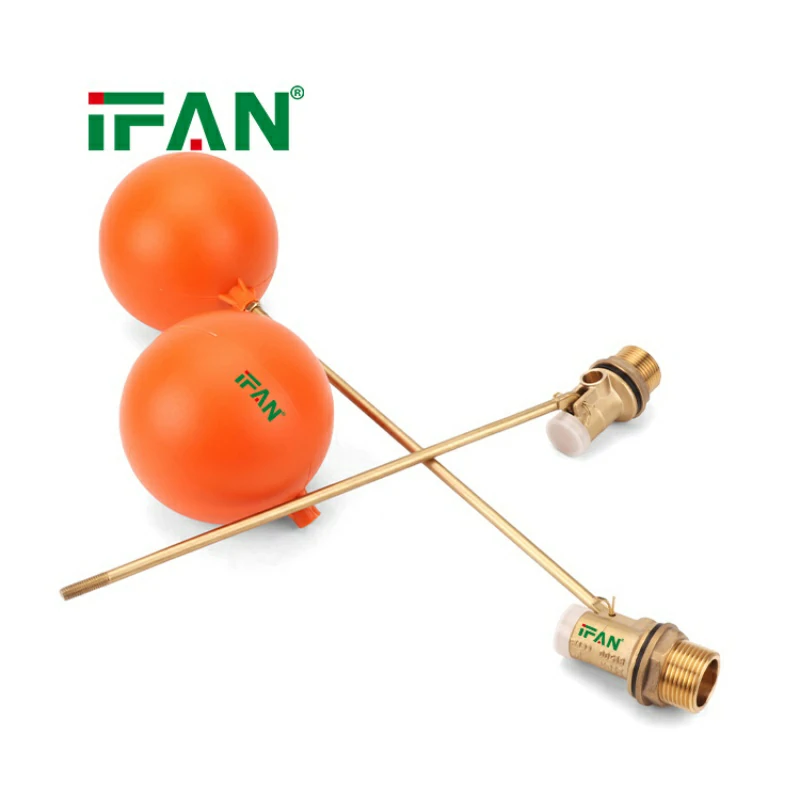
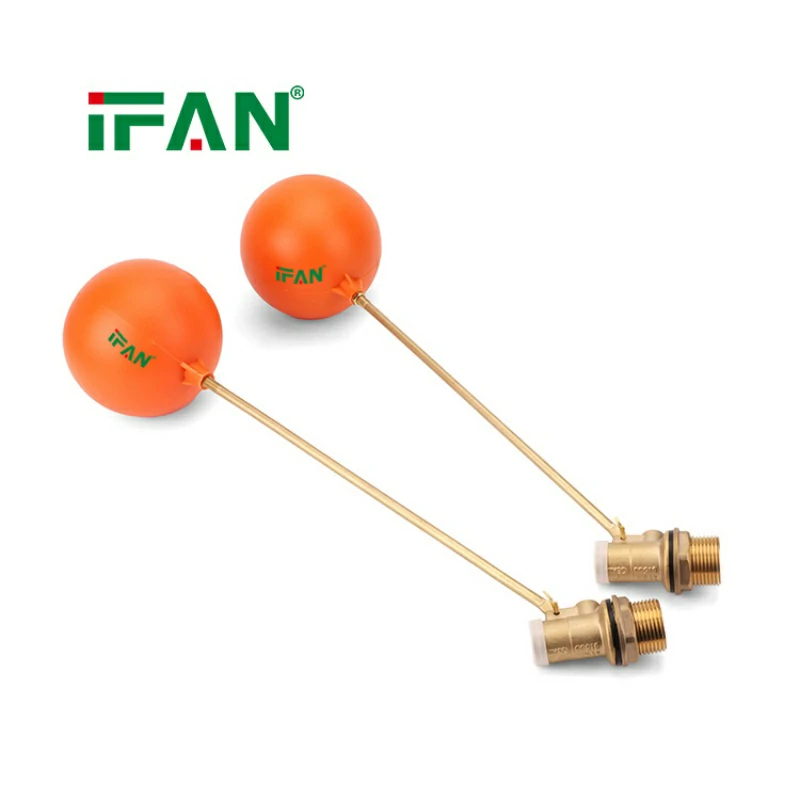
IFAN Hot Sales Brass Float Valves
Category : Click Download
Whatsapp : +86 19884503412
Wechat : 19884503412
Description
Understanding the Material Composition
Brass float valves are made from an alloy. This alloy is primarily copper and zinc. Lead was historically added for machinability. Modern regulations strictly limit lead content. “Lead-free” brass is now the standard. This is critical for potable water safety.
The Critical “Lead-Free” Standard
In the United States, the law is clear. The Safe Drinking Water Act sets limits. “Lead-free” means 0.25% lead or less. This applies to wetted surfaces. The standard is NSF/ANSI 372. Certified products bear this mark.
Dezincification Resistance (DZR) Requirement
Brass with high zinc can corrode. Zinc leaches out in aggressive water. This leaves a weak, porous structure. DZR brass contains additives like arsenic. It prevents this selective leaching. Brass float valves for potable water must be DZR.
NSF/ANSI 61 Certification
This is the key health effects standard. It tests for contaminant leaching. Certified brass float valves are rigorously evaluated. They must not leach metals above safe limits. This includes lead, cadmium, and others. Always look for the NSF 61 mark.
Common Applications in Potable Water Systems
They are used in many places. A common example is the toilet cistern. They control the fill valve for the tank. They are also used in livestock watering tanks. Some industrial water storage tanks use them. Their use is widespread and accepted.
The Role of Internal Components
The valve contains more than just brass. A rubber or silicone washer creates the seal. A float arm is often plastic. These materials must also be certified. NSF 61 covers all wetted materials. The entire assembly must be safe.
Water Chemistry and Its Impact
Aggressive water can attack brass. Low pH (acidic) water is problematic. It accelerates metal leaching. High chloramine levels can also be an issue. Knowing your local water quality is important. This informs material selection.
Comparison to Plastic Float Valves
Plastic valves are a common alternative. They contain no metal to leach. They are often cheaper and lighter. However, they may lack durability. Brass offers superior mechanical strength. The choice depends on application needs.
Installation Best Practices for Safety
Use only certified components. Follow all manufacturer instructions. Ensure proper support to prevent stress. Use food-grade thread sealant if needed. Avoid creating galvanic corrosion couples. A professional installer understands these points.
Long-Term Maintenance and Monitoring
Inspect valves periodically for leaks. Look for green or blue corrosion stains. This indicates possible metal release. Replace washers as they wear out. Consider water testing in sensitive applications. Proactive care ensures ongoing safety.
Regulatory Variations by Region
Standards differ globally. Europe uses the WRAS approval scheme. Australia has the WaterMark certification. Always verify local plumbing codes. Using an uncertified valve may violate law. It also risks public health.
Conclusion: A Conditional Yes
Certified brass float valves are safe. They must be lead-free and DZR brass. They require NSF/ANSI 61 or equivalent certification. Proper installation and maintenance are essential. For critical drinking water storage, they are a reliable, durable choice. Always prioritize certified products from reputable manufacturers.
相关产品
 Brass Ball Valve
Double Color Brass Valve
- Brass Ball Valve
Mini Valve
- Brass Ball Valve
Brass Valve
- Brass Ball Valve
Male Ball Valve



HAVE ANY QUERIES? SEND TO CONTACTOANTSMACHINE.COM
ONTACT US