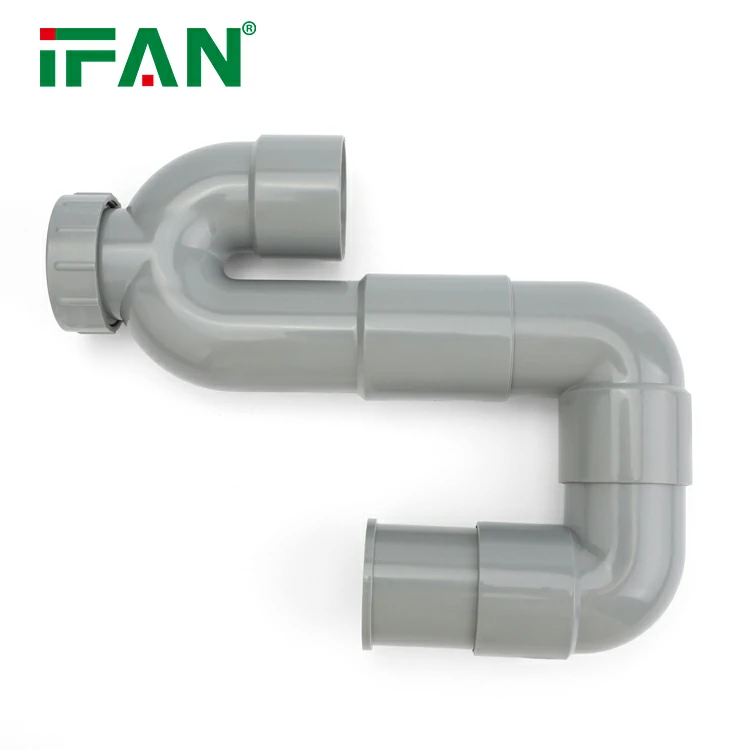
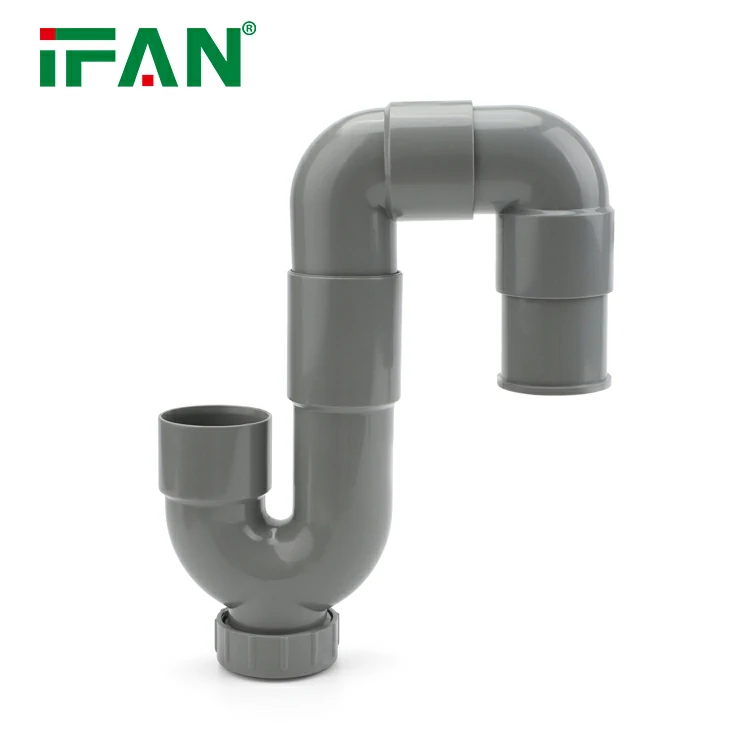
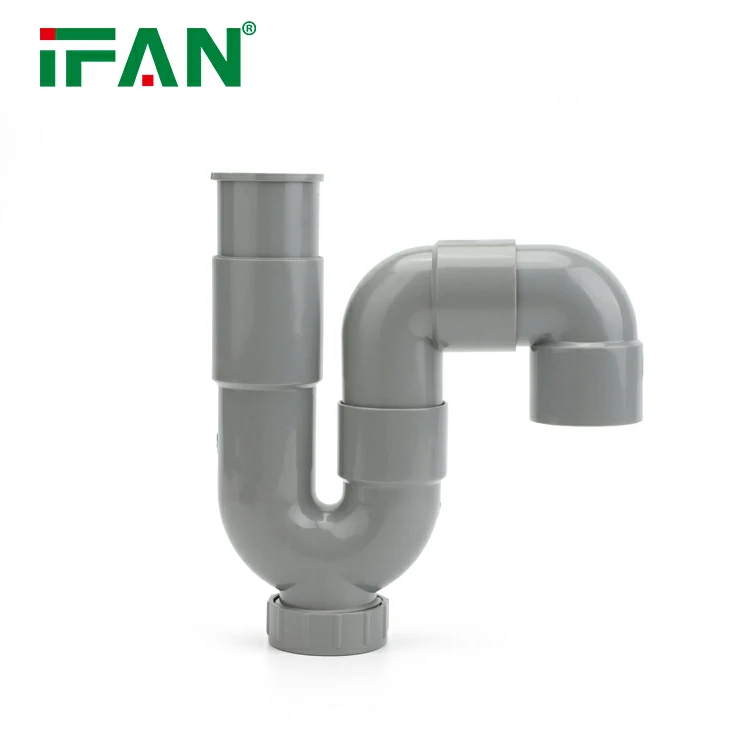
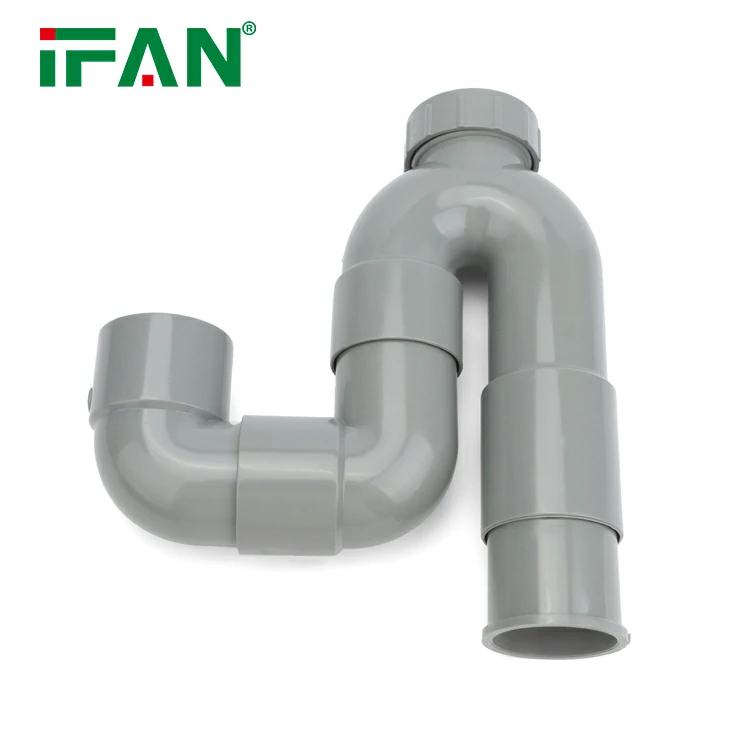
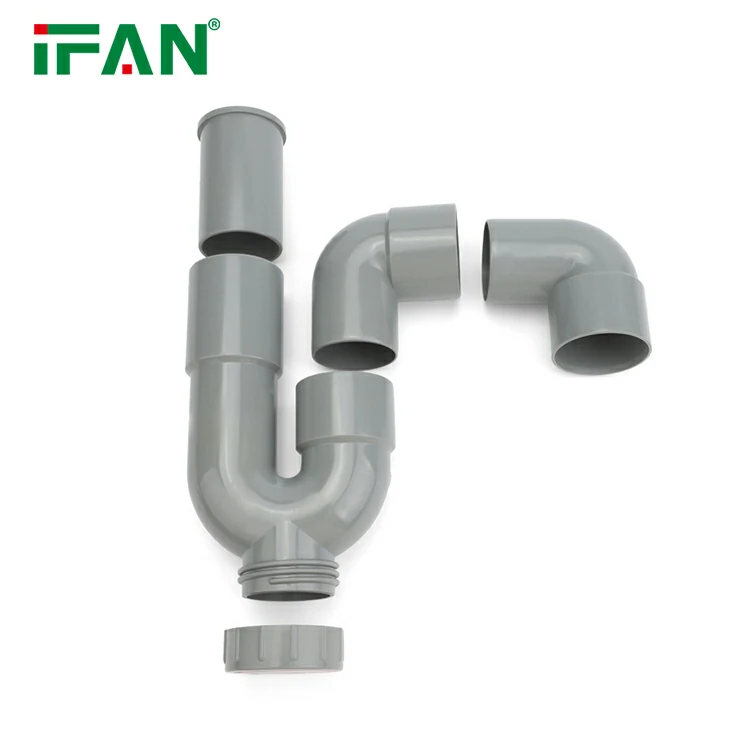
This is a fundamental plumbing question. The technical answer is yes, absolutely. Every plumbing trap needs protection. A vent provides this essential protection. An S-Trap Drainage is no exception to this rule.
Understanding the Purpose of a Vent
A vent pipe serves two critical functions. First, it prevents trap siphonage. It equalizes air pressure in the drain system. Second, it allows sewer gases to escape. It vents these gases safely through the roof.
The Critical Problem of Siphonage
Siphonage is the main issue with S-Traps. Water flowing down the drain creates suction. This suction can pull water out of the trap. It empties the water seal completely. This is called self-siphonage.
How an S-Trap is Particularly Vulnerable
The S-Trap Drainage design is problematic. It has a vertical drop immediately after the trap. This creates a strong siphon effect. The water slug falls like a piston. It pulls the water right out of the trap itself.
Consequences of an Unvented S-Trap
An unvented S-Trap will cause problems. The water seal will frequently disappear. Sewer gas will enter your living space. This is both a health and odor nuisance. The trap may also gurgle and drain slowly.
What Modern Plumbing Codes Say
All modern codes prohibit S-Traps. The International Plumbing Code (IPC) is clear. The Uniform Plumbing Code (UPC) also bans them. They require properly vented P-Traps instead. Installing a new S-Trap Drainage is not compliant.
The Difference Between S-Trap and P-Trap Venting
A P-Trap has a vent connection upstream. This vent breaks the siphon effect. An S-Trap Drainage lacks this proper venting point. Its configuration makes correct venting difficult. This is why P-Traps are the modern standard.
Signs Your S-Trap is Not Vented
You can observe clear symptoms. The drain gurgles loudly when water flows. You notice periodic sewer smells in the room. The water in the trap may bubble or shake. These are classic signs of siphonage.
Potential “Cheater” Vent Solutions
Some try to use an Air Admittance Valve (AAV). This is a one-way mechanical vent. It is not an ideal solution for an S-Trap. The fundamental design flaw remains. AAVs are a temporary fix at best.
The Correct Solution: Converting to a P-Trap
The only proper fix is replacement. A plumber can install a P-Trap. This requires adding a proper vent pipe. The vent connects to the main stack or an AAV. This eliminates the siphonage problem permanently.
Why S-Traps Were Ever Used
S-Traps were common in older homes. Plumbing knowledge was less advanced then. The importance of venting was not fully understood. They are a relic of outdated plumbing practices. Modern standards have correctly phased them out.
Conclusion: Venting is Non-Negotiable
An S-Trap Drainage absolutely needs a vent. Its design demands it more than a P-Trap. However, the best solution is not to vent an S-Trap. The best solution is to replace it entirely. A properly vented P-Trap is the safe, code-compliant, and reliable answer for any modern drainage system.