
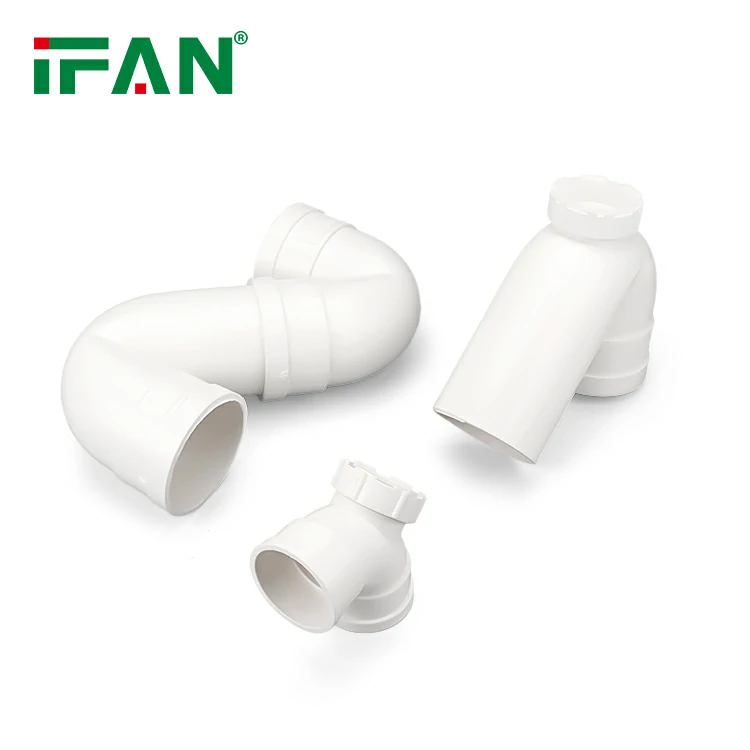
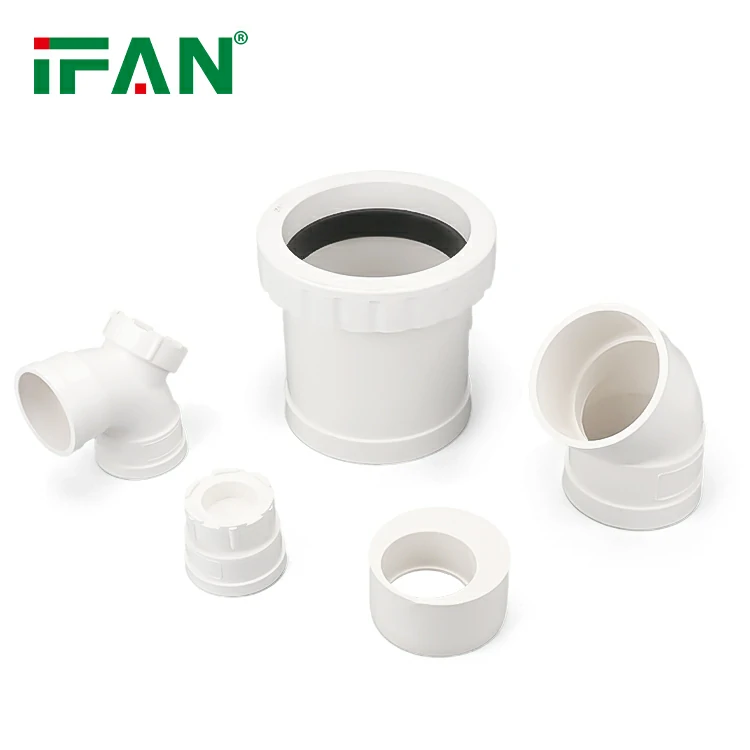
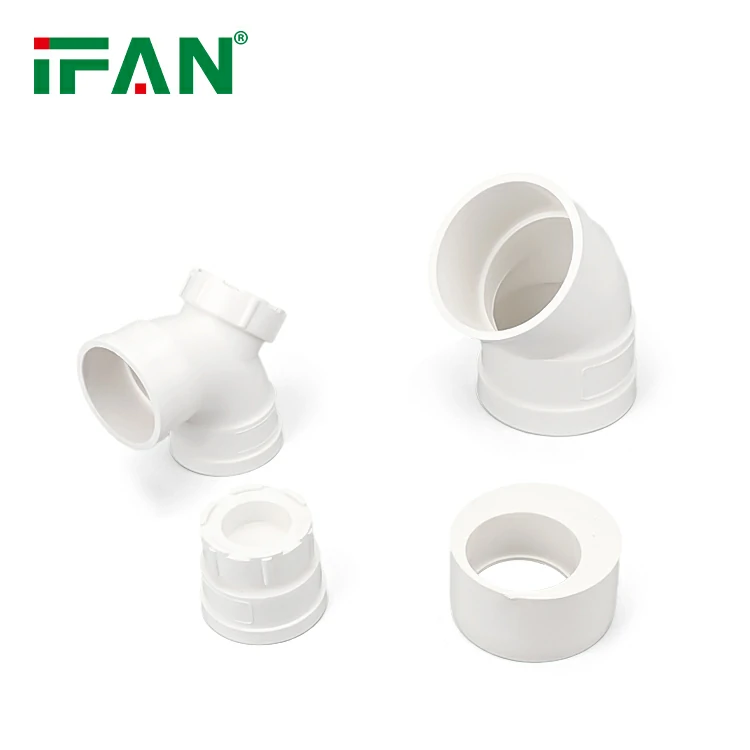
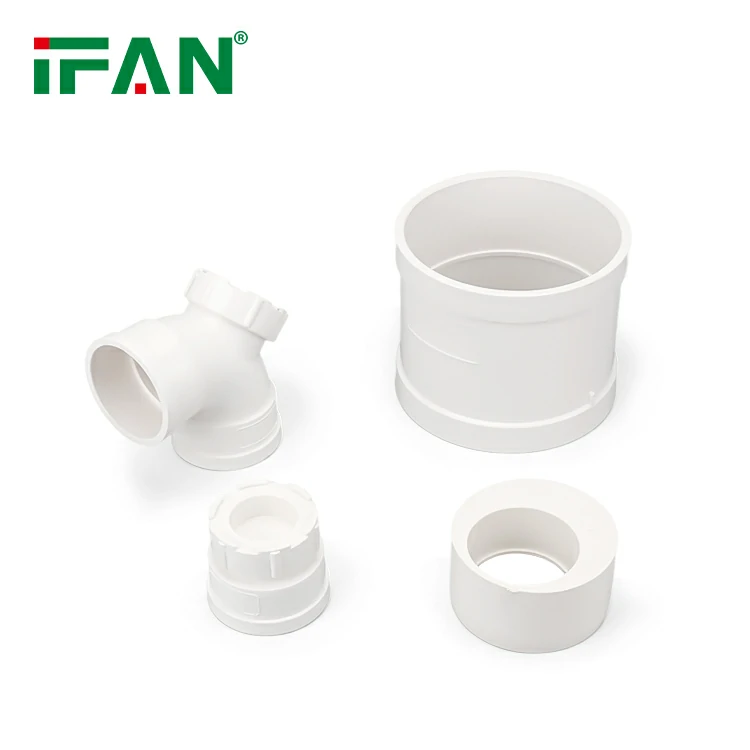
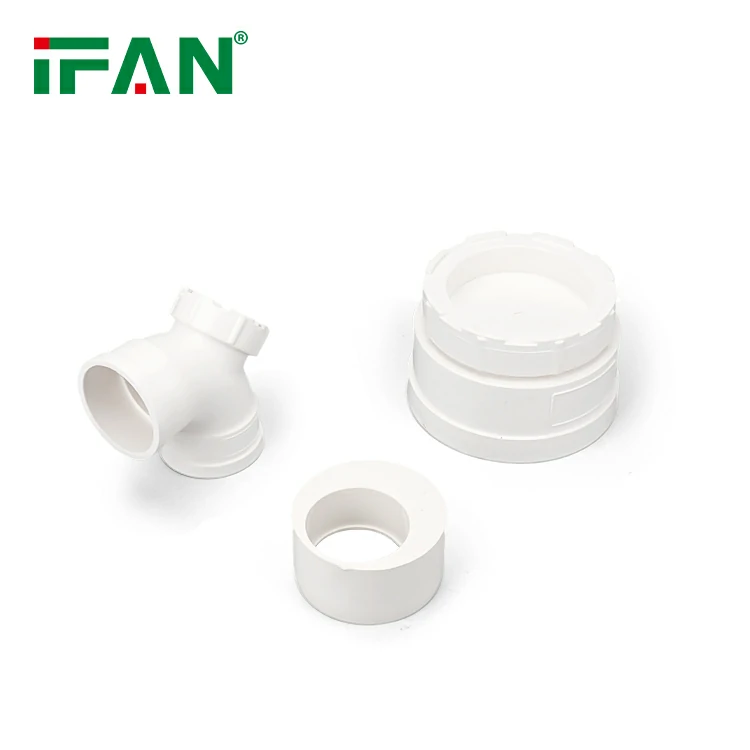
Description
Understanding Material Composition
UPVC stands for Unplasticized Polyvinyl Chloride. Standard PVC often contains plasticizers. These additives make PVC more flexible. UPVC is rigid and has no plasticizers. This changes its mechanical properties. Cast iron is a traditional ferrous metal. It is very heavy and strong.
Physical Strength and Rigidity
UPVC fittings are strong but brittle. They resist deformation under load. Standard PVC is less rigid. It can bend slightly under pressure. Cast iron has very high compressive strength. It handles heavy external loads best. For buried drainage, cast iron is robust.
Weight and Handling Differences
UPVC is extremely lightweight. A 6-meter pipe is easy for one person. Standard PVC is also very light. Cast iron is exceptionally heavy. It requires machinery for large pieces. Installation labor costs are higher. This affects total project expense.
Corrosion and Chemical Resistance
UPVC fittings excel here. They resist almost all chemicals. Acids and alkalis do not harm them. Standard PVC shares this resistance mostly. Cast iron corrodes over time. It rusts, especially in wet conditions. Chemical waste destroys cast iron quickly.
Temperature Tolerance and Performance
UPVC handles moderate temperatures well. It softens at high temperatures. Maximum continuous use is about 60°C. Standard PVC has a similar limit. Cast iron tolerates very high heat. It will not melt or distort. It is suitable for certain industrial vents.
Hydraulic Flow Characteristics
The smooth bore of plastic is superior. UPVC fittings offer excellent flow. Friction loss is minimal. Standard PVC provides similar performance. Cast iron has a rougher interior. This increases friction over time. Scaling further reduces its diameter.
Acoustic and Noise Insulation Properties
Cast iron is excellent for noise reduction. It dampens the sound of flowing water. This is vital in multi-story buildings. Plastic pipes can be noisy. Water flow sound is more audible. Special acoustic versions of UPVC exist. They include sound-dampening materials.
Fire Reaction and Safety Profile
Cast iron does not burn. It is a fire-resistant material. It will not contribute to a blaze. UPVC and PVC are combustible plastics. They can melt and burn, producing smoke. Fire-retardant formulations are available. Building codes specify use in rated assemblies.
Installation Methods and Jointing
UPVC fittings use solvent cement. This creates a permanent, fused joint. Standard PVC uses the same method. It is quick and requires minimal skill. Cast iron uses different techniques. These include gaskets, lead, or no-hub couplings. It is more labor-intensive.
Long-Term Durability and Lifespan
Cast iron can last over 100 years. Its main enemy is external corrosion. UPVC fittings last 50+ years easily. They are degraded by UV sunlight. Buried UPVC has an extremely long life. Standard PVC lifespan is similar. Environmental factors affect all materials.
Cost Analysis: Initial and Lifecycle
UPVC and PVC are low-cost materials. Their installation cost is also low. Cast iron has a high material cost. Its installation cost is much higher. However, its longevity can justify this. The total lifecycle cost must be calculated. It depends on the specific application.
Application-Specific Recommendations
Choose cast iron for critical silence. Use it in luxury apartments and hotels. Choose UPVC fittings for chemical resistance. They are perfect for laboratories and factories. Use standard PVC for non-pressure uses. Examples include drain vents and irrigation. The correct choice depends on project needs.
相关产品
 PVC Pipe & Fittings
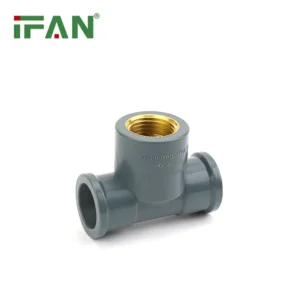
IFAN UPVC DIN Brass Female Tee
- PVC Pipe & Fittings
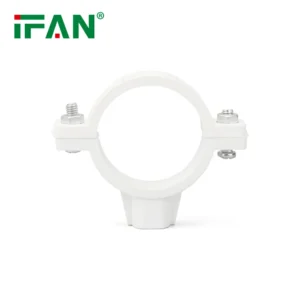
IFAN UPVC SCH40 Pipe Clip
- PVC Pipe & Fittings
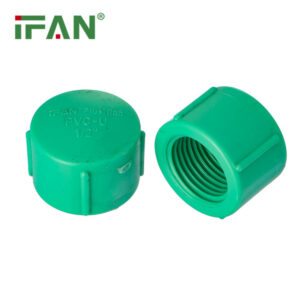
Green UPVC End Caps
- PVC Pipe & Fittings
UPVC Fittings



HAVE ANY QUERIES? SEND TO CONTACTOANTSMACHINE.COM
ONTACT US