
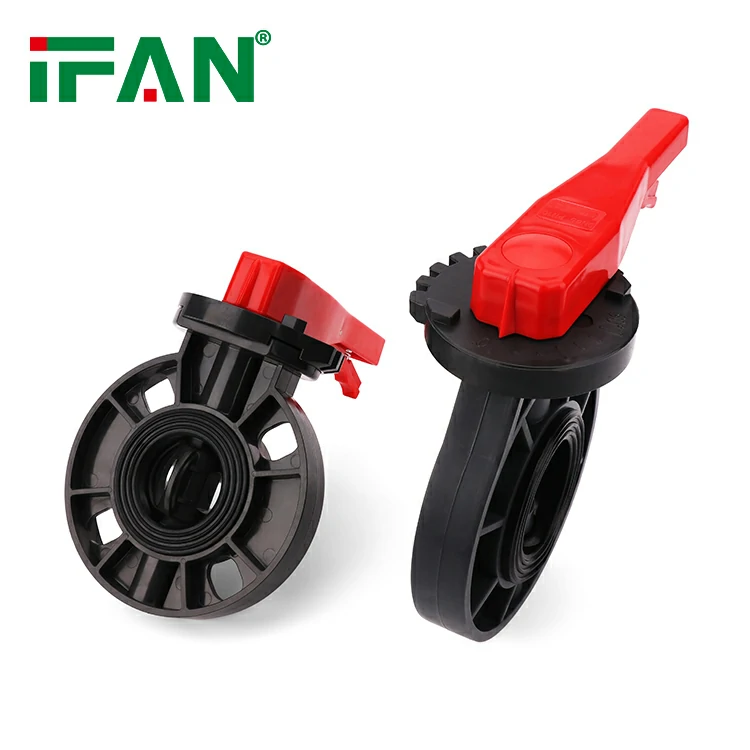
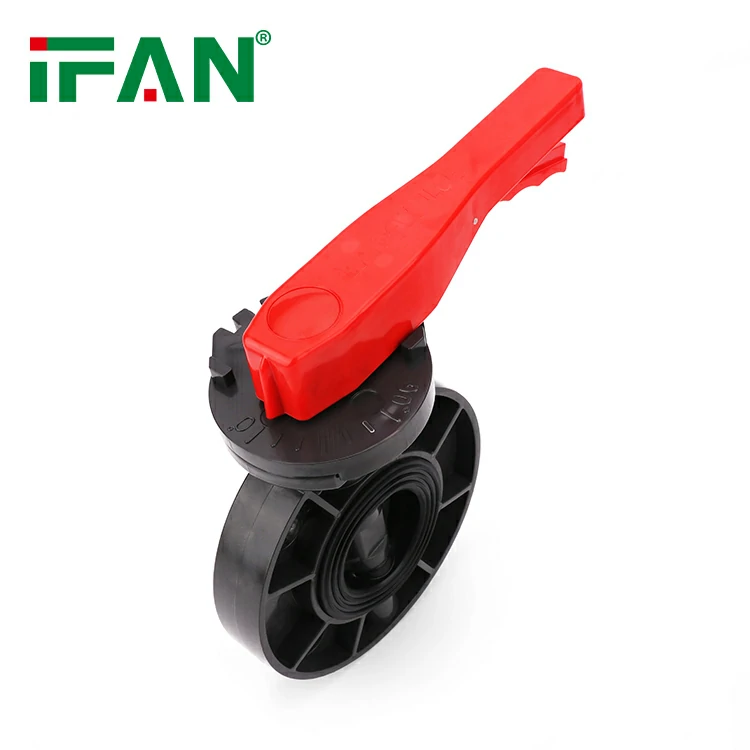
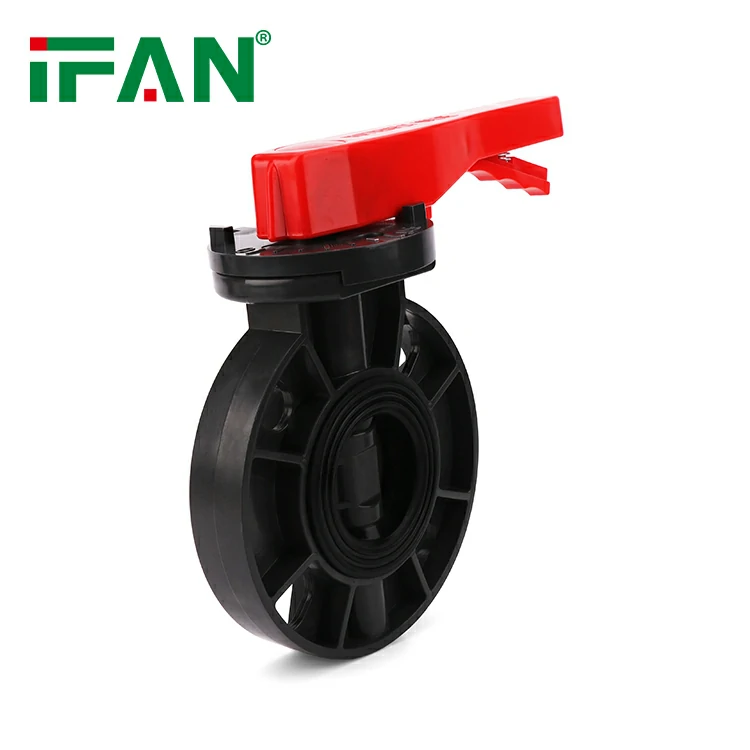
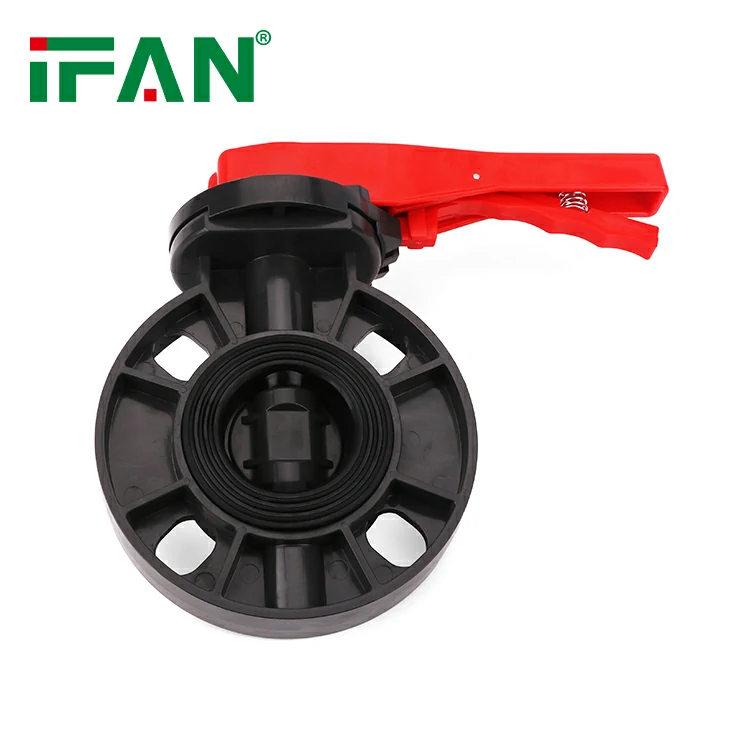
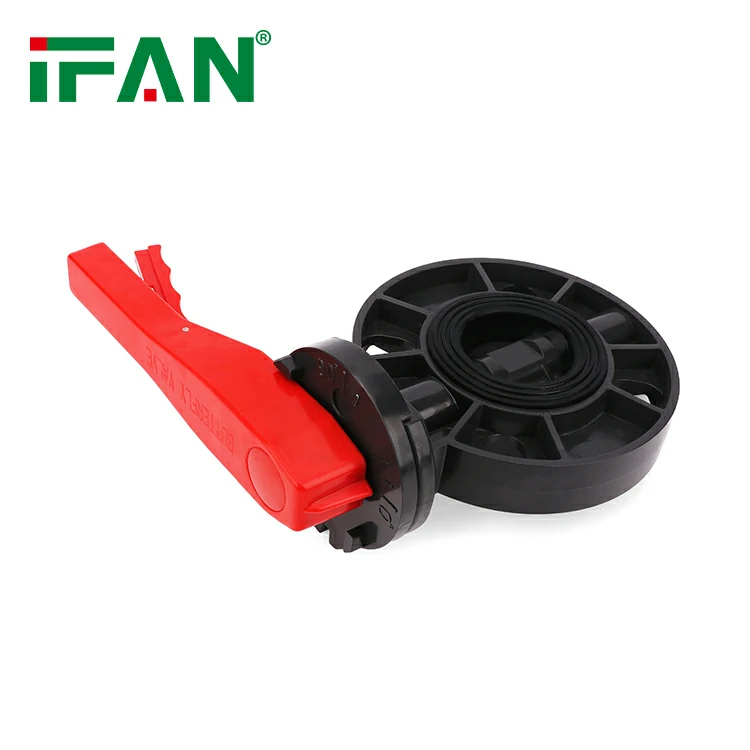
IFAN Red Handle PVC Flange Butterfly Valves
Name: IFAN PVC Flange Butterfly Valves
Brand: IFAN
Category : Click Download
Whatsapp : +86 19884503412</p>
Category : Click Download
Whatsapp : +86 19884503412
Wechat : 19884503412
Description
Installing PVC Flange Butterfly Valves correctly is crucial. It ensures optimal performance and prevents leaks. This guide covers the essential steps. Proper tools and preparation are key.
Pre-Installation Preparation and Checks
Begin by gathering all necessary tools. You will need a wrench, bolts, and a gasket. Inspect the PVC Flange Butterfly Valves for damage. Check for cracks or deformities on the flange. Ensure the valve disc rotates freely. Verify the pipe flange dimensions match the valve.
Ensuring Proper Pipe Alignment
Pipe alignment is critical for a good seal. Misaligned pipes stress the valve flange. This can lead to cracks and leaks. Use a level to check pipe alignment. Adjust the pipe supports if needed. The flange faces must be parallel.
Inserting and Positioning the Valve
Place the valve between the two pipe flanges. Ensure the valve orientation is correct. The flow direction should match the arrow. The valve handle should be accessible for operation. Do not force the valve into position.
Selecting and Placing the Gasket
A proper gasket ensures a tight seal. Use a full-face EPDM or nitrile gasket. The gasket must be the correct size. Center it carefully on the flange face. Ensure it is clean and free of debris.
Inserting and Tightening the Bolts
Insert the bolts through the flanges and valve. Use corrosion-resistant bolts and nuts. Hand-tighten all bolts initially. This allows for minor adjustments. Then, use a wrench to tighten them.
The Correct Bolt Tightening Sequence
Follow a cross-pattern tightening sequence. This prevents warping the flange. Tighten opposite bolts gradually. Do not overtighten a single bolt first. Apply equal pressure in stages.
Connecting the Actuator (If Applicable)
Some valves have electric or pneumatic actuators. Follow the manufacturer’s instructions precisely. Connect the power or air supply lines. Ensure all connections are secure. Test the actuator operation before finalizing.
Conducting a Post-Installation Inspection
Visually inspect the entire assembly. Check for any gaps between flanges. Ensure all bolts are properly tightened. Verify the valve handle moves smoothly. Look for any signs of stress on the PVC.
Performing a System Pressure Test
Before full operation, conduct a pressure test. Slowly pressurize the system. Check for leaks around the flange connection. Listen for hissing sounds indicating leaks. Inspect the gasket area for moisture.
Operational Testing and Final Checks
Slowly open and close the valve. Observe the disc movement. It should rotate a full 90 degrees. There should be no binding or resistance. Ensure the handle position indicates valve status.
Maintenance and Long-Term Care Tips
Schedule regular visual inspections. Check for bolt tightness periodically. Lubricate the valve stem if required. Keep the area around the valve clean. Avoid exposing the valve to extreme temperatures.
Conclusion: Ensuring a Successful Installation
A properly installed PVC Flange Butterfly Valve is reliable. Careful attention to detail prevents problems. Correct gasket placement and bolt tightening are vital. Always follow the manufacturer’s guidelines. This ensures a leak-free and long-lasting installation.
相关产品
 PVC Valve
IFAN Custom PVC Angle Valves
- PVC Valve
IFAN White PVC End Check Valves
- PVC Valve
IFAN White PVC ABS Ball Valve
- PVC Pipe & Fittings
PVC One Way Faucet with Nozzle



HAVE ANY QUERIES? SEND TO CONTACTOANTSMACHINE.COM
ONTACT US