
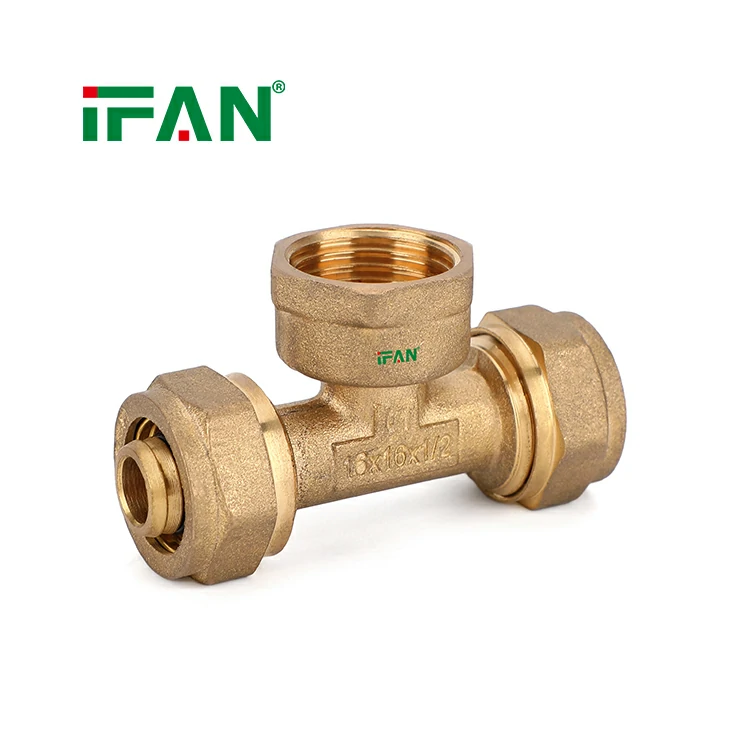
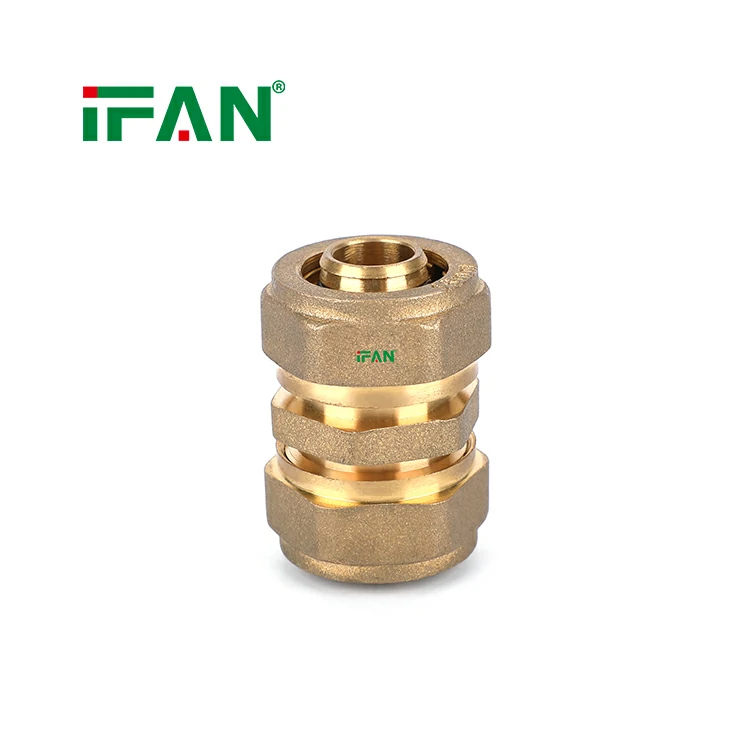
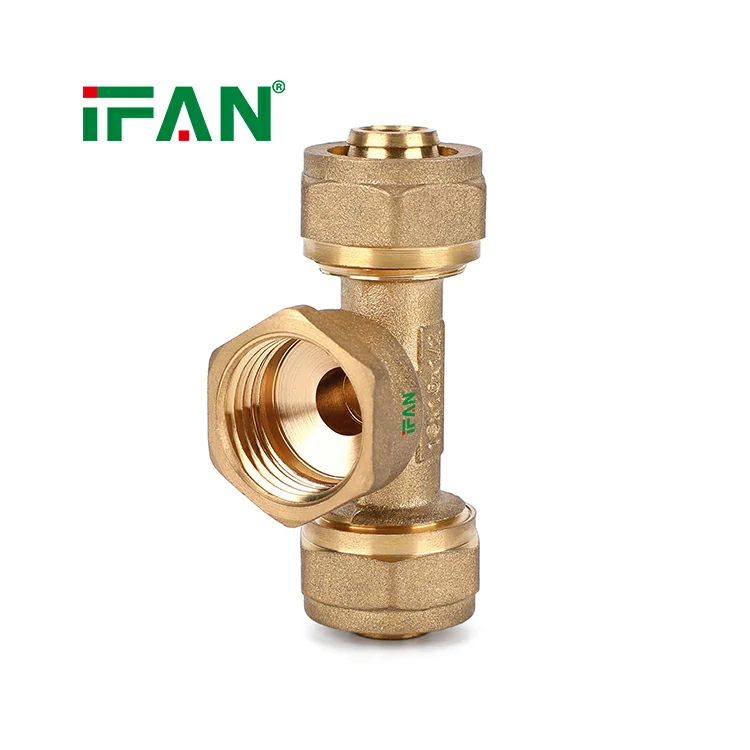
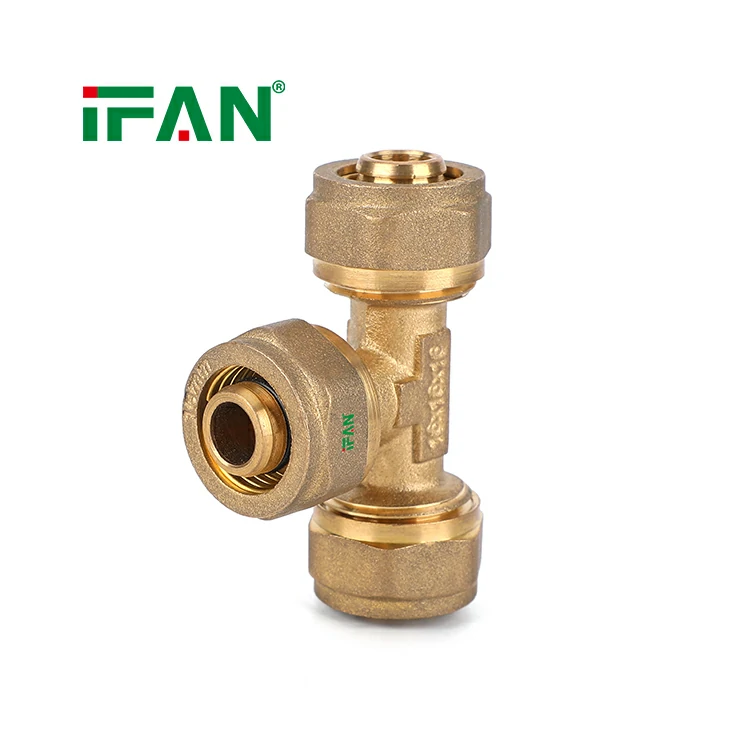
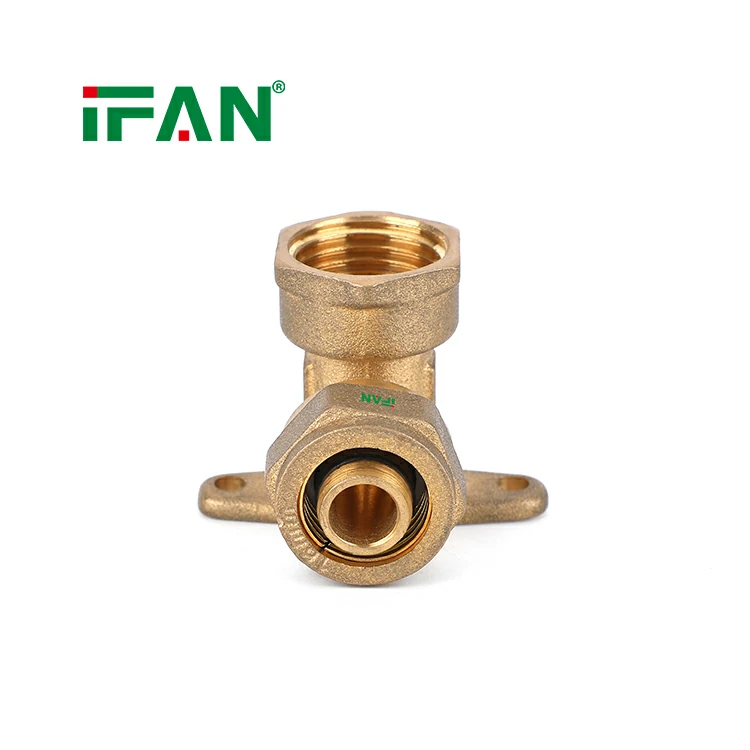
IFAN Top Quality PEX Compression Fittings
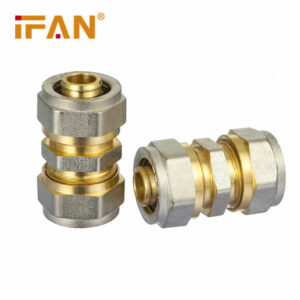
Name: IFAN PEX Compression Fittings
Brand: IFAN
Category : Click Download
Whatsapp : +86 19884503412</p>
Category : Click Download
Whatsapp : +86 19884503412
Wechat : 19884503412
Description
PEX Compression Fittings vs. Crimp Fittings vs. Push-Fit Fittings
Understanding the differences between PEX compression fittings, crimp fittings, and push-fit fittings is essential for selecting the right connection method for your plumbing project. Each system has distinct advantages in terms of cost, installation speed, reliability, and ease of use. This guide compares these three popular PEX connection methods.
How Each System Works
PEX compression fittings use a threaded nut and a brass compression ring (ferrule). Tightening the nut compresses the ring onto the PEX pipe, creating a seal. No special tools are required beyond wrenches. Crimp fittings use a copper or stainless steel ring that is compressed onto the pipe using a specialized crimping tool. The tool applies precise pressure to deform the ring permanently. Push-fit fittings have internal stainless steel teeth and a rubber O-ring. Simply pushing the pipe into the fitting locks it in place. No tools are needed for installation.
Installation Speed and Complexity
PEX compression fittings require moderate installation time. Each connection takes a minute or two to assemble. The installer must cut the pipe, slide on the nut and ring, insert the pipe, and tighten the nut. A learning curve exists for proper tightening torque.
Crimp fittings are very fast once the tool is ready. A connection takes only a few seconds. However, the tool must be the correct size and calibrated. The process is consistent but requires the specialized tool.
Push-fit fittings are the fastest. Connections take only seconds. Simply cut the pipe, deburr, and push in. No tools, no rings, no nuts. This speed makes them ideal for tight spaces or quick repairs.
Tool Requirements and Costs
PEX compression fittings require only basic tools. A PEX cutter and two adjustable wrenches are all you need. No expensive specialized equipment is required. This low tool cost makes compression fittings accessible to DIY users.
Crimp fittings require a specialized crimping tool. A manual crimp tool costs $50-$150. Battery-powered tools cost $300-$600. You also need a go/no-go gauge to verify proper crimps. This higher tool cost is a barrier for occasional users.
Push-fit fittings require no tools at all. You only need a PEX cutter and a deburring tool. The fittings are more expensive, but the zero tool requirement is a major advantage for small jobs.
Reliability and Leak Resistance
PEX compression fittings are reliable when installed correctly. However, they can loosen over time due to vibration or thermal cycling. Proper torque is critical; over or under-tightening causes leaks. Compression fittings are not recommended for inaccessible locations.
Crimp fittings are extremely reliable and permanent. The crimp ring, once compressed, will not loosen. The connection is tamper-resistant and ideal for behind-wall installations. Proper crimps pass pressure testing consistently.
Push-fit fittings are generally reliable but have a higher upfront cost. The O-ring seal can be damaged by sharp pipe edges or debris. Some plumbers remain skeptical of long-term performance. However, major manufacturers have extensive testing data supporting their reliability.
Disassembly and Reusability
PEX compression fittings are fully demountable. You can loosen the nut and remove the fitting. The brass body and nut can be reused. The compression ring must be replaced. This reusability is a major advantage for modifications.
Crimp fittings are not reusable. Once the ring is crimped, it cannot be removed without cutting. The fitting and ring are destroyed. System modifications require cutting out the old fitting.
Push-fit fittings are reusable with a special tool. A release tool disengages the internal teeth. The fitting can be reused if undamaged. However, repeated use may wear the O-ring. Most manufacturers recommend using a new fitting for critical applications.
Cost Comparison
PEX compression fittings have moderate material costs. Brass fittings are more expensive than crimp rings but less than push-fit. The low tool cost reduces overall project cost. For a small number of connections, compression is very economical.
Crimp fittings have low material costs. Copper crimp rings are inexpensive. However, the tool cost is high. For large projects with many connections, the tool cost amortizes well.
Push-fit fittings have the highest material costs. Each fitting costs significantly more than compression or crimp. However, zero tool cost makes them attractive for very small jobs. For a single connection, push-fit may be cheaper than buying a crimp tool.
Application Suitability
PEX compression fittings excel in accessible locations. They are great for repairs, modifications, and exposed piping. They are not recommended for behind-wall or underground installations. Compression fittings are ideal for DIYers with basic tools.
Crimp fittings are the professional standard for new construction. They are ideal for behind-wall, underground, and inaccessible locations. Their permanent nature and reliability make them code-compliant everywhere.
Push-fit fittings are perfect for tight spaces and emergency repairs. They work well in crawlspaces where tools cannot fit. They are also great for temporary installations. Some codes restrict their use in inaccessible locations.
Visual and Aesthetic Differences
PEX compression fittings have visible nuts and rings. The profile is larger than a plain pipe. The brass material is visible. They look more like traditional plumbing fittings.
Crimp fittings have a low profile. The copper ring is similar to the pipe diameter. When installed, they are barely noticeable. This is aesthetically pleasing for exposed piping.
Push-fit fittings have a larger diameter than the pipe. The plastic or brass body is bulky. They are very noticeable. However, they are usually installed in hidden locations.
Summary Table
| Feature | Compression | Crimp | Push-Fit |
|---|---|---|---|
| Tools required | Basic wrenches | Specialized crimp tool | None |
| Installation speed | Moderate | Fast | Very fast |
| Reusable | Yes (body only) | No | Yes (with tool) |
| Material cost | Moderate | Low | High |
| Tool cost | Low | High | None |
| Best for | Repairs, DIY | New construction, pros | Tight spaces, quick fixes |
| Behind-wall rating | Not recommended | Yes | Limited |
| Learning curve | Moderate | Steep | Low |
PEX compression fittings occupy a middle ground between crimp and push-fit systems. They offer reusability and low tool costs but require more skill than push-fit. Crimp systems excel in permanent installations with high connection counts. Push-fit is best for speed and tight spaces. For DIY repairs and modifications, compression is often the most practical choice. For new construction, crimp remains the professional standard. Choose the system that matches your specific needs, tool budget, and installation environment.
相关产品
 PEX Compression Fitting
PEX Compression Fittings Tee
- PEX Compression Fitting
PEX Compression Fittings Socket
- PEX Compression Fitting
Brass PEX Fittings
- PEX Compression Fitting
PEX Compression Fitting Socket


HAVE ANY QUERIES? SEND TO CONTACTOANTSMACHINE.COM
ONTACT US