
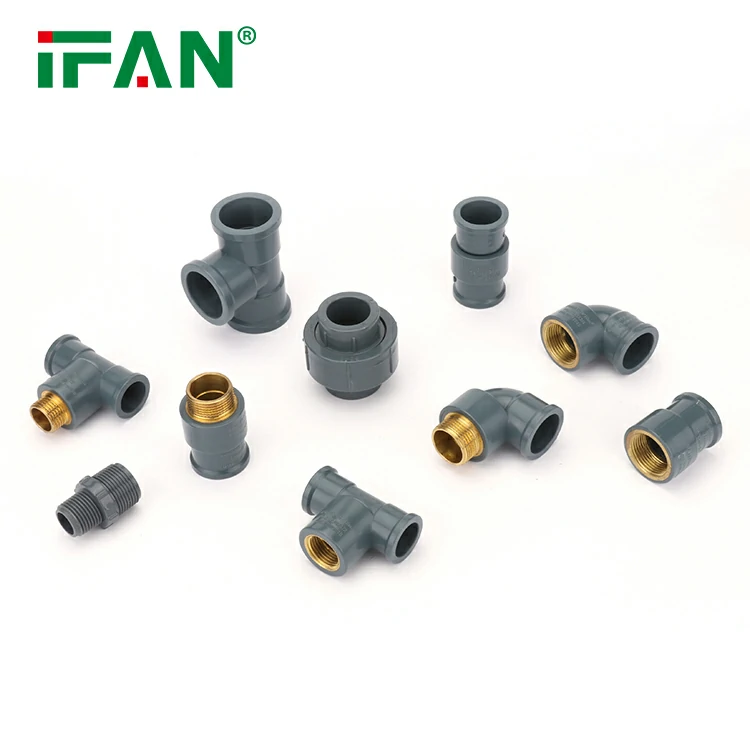
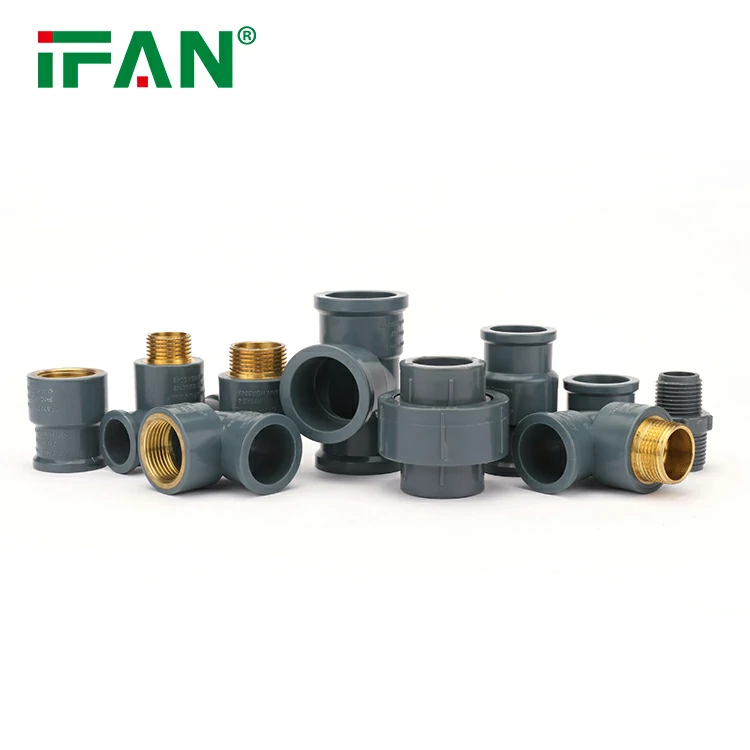
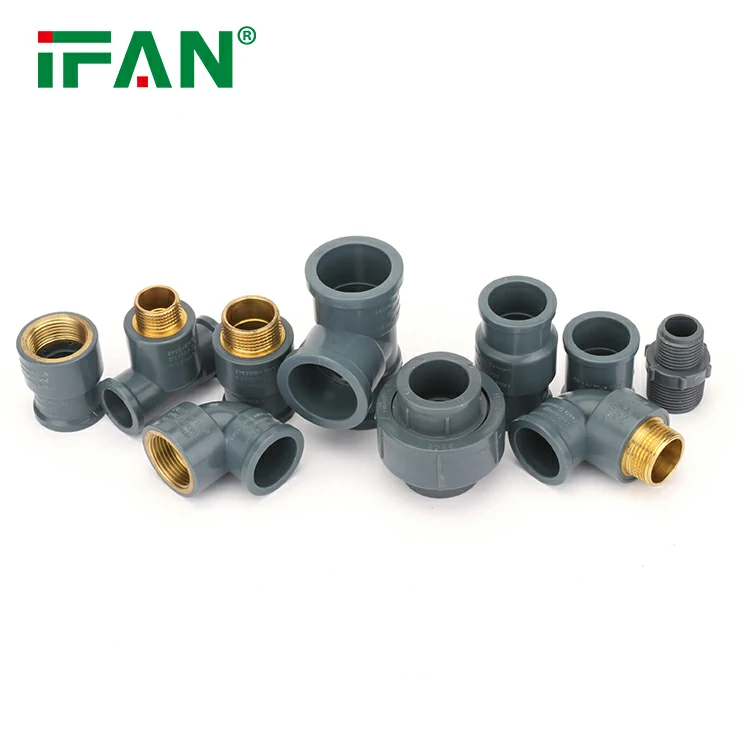
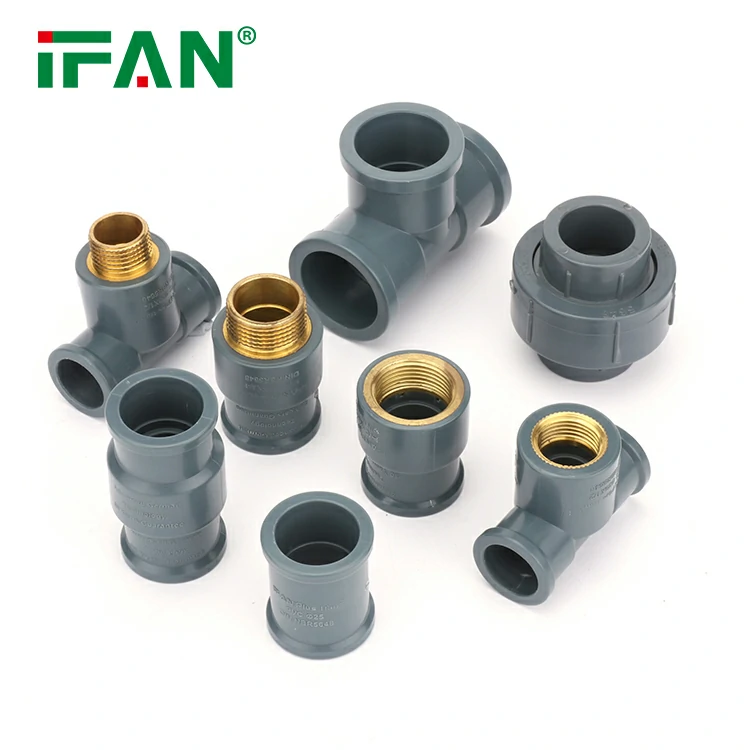
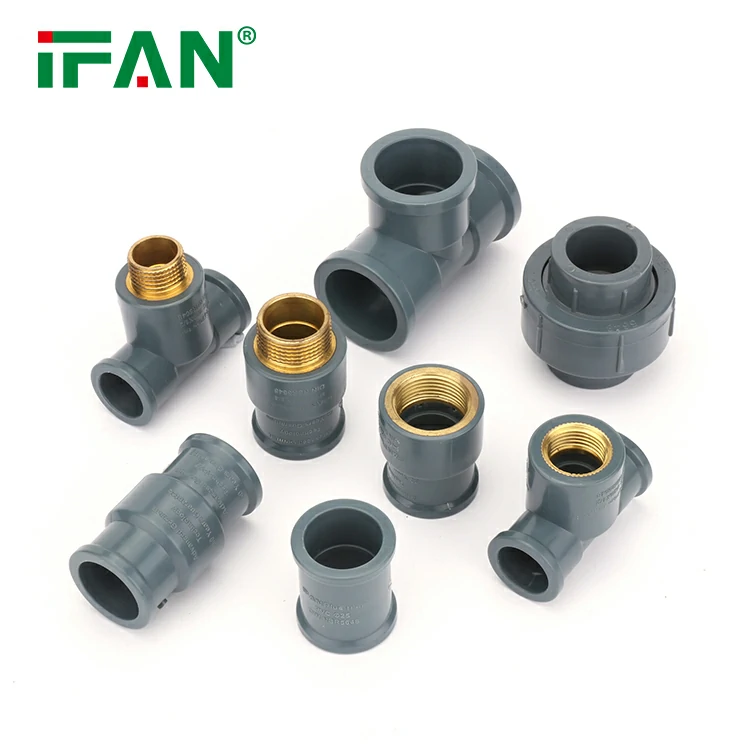
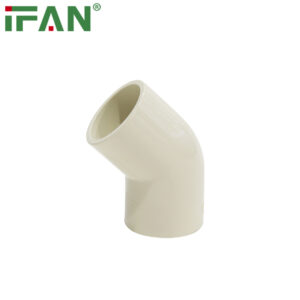
IFAN Water Supply CPVC Pipe Fittings
Category : Click Download
Whatsapp : +86 19884503412
Wechat : 19884503412
Description
Introduction to CPVC Pipe Fittings
CPVC Pipe Fittings are widely used in plumbing and piping systems worldwide.
They are made from chlorinated polyvinyl chloride, a thermoplastic with enhanced properties.
These fittings are known for their heat resistance, corrosion resistance, and durability.
Their growing popularity stems from their low cost and easy installation.
But are they reliable for hot water applications?
Understanding their material properties and performance helps answer this question accurately.
This article explains the strengths and considerations of using CPVC Pipe Fittings in hot water lines.
Temperature Resistance and Thermal Stability
CPVC Pipe Fittings are specifically designed to handle elevated temperatures.
They can withstand temperatures up to 93°C (200°F) under normal pressure.
This makes them well-suited for residential and commercial hot water systems.
Unlike regular PVC, CPVC doesn’t soften or deform at moderate heat levels.
Its thermal stability is achieved through extra chlorine atoms in its polymer chain.
That chemical structure allows better performance in continuous hot water use.
Therefore, for most domestic hot water lines, CPVC Pipe Fittings offer excellent thermal resistance.
Pressure Ratings in Hot Water Use
When using any piping material, temperature affects pressure ratings.
CPVC Pipe Fittings maintain pressure resistance even at higher temperatures.
At 23°C (73°F), they typically handle up to 400 psi.
At 82°C (180°F), the rating drops to around 100 psi—still sufficient for hot water systems.
This makes them suitable for residential water heaters, kitchens, and shower lines.
Always follow manufacturer pressure-temperature charts during system design.
Proper planning ensures safe, long-term usage of CPVC Pipe Fittings under thermal load.
Chemical and Corrosion Resistance Benefits
CPVC Pipe Fittings resist corrosion, even in aggressive water conditions.
They are not affected by chlorinated water, hard water, or acidic conditions.
Metal fittings may corrode or scale in hot water lines over time.
However, CPVC remains unaffected and maintains a smooth internal surface.
This helps reduce pressure loss and prevents blockages in hot water systems.
As a result, CPVC fittings offer long-term cleanliness and flow efficiency.
For buildings with variable water quality, CPVC provides reliable hot water distribution.
Installation and Joining for Hot Water Lines
CPVC Pipe Fittings are easy to install using solvent cement methods.
This creates a chemical bond between the pipe and fitting.
The joint becomes a single, leak-proof unit after curing.
No heat, threading, or welding is required during installation.
Installers should use CPVC-specific cement and primer for hot water systems.
Improper adhesive use may compromise strength at higher temperatures.
Following proper instructions ensures safe and lasting CPVC Pipe Fittings in hot lines.
Comparison with Other Hot Water Materials
Common hot water piping materials include copper, PEX, and CPVC.
Copper is durable but expensive and may corrode in certain waters.
PEX is flexible and affordable but may degrade under UV light or high chlorine.
CPVC Pipe Fittings strike a balance between cost, safety, and performance.
They don’t corrode like copper or soften like regular PVC under heat.
For budget-conscious users needing reliable performance, CPVC offers a strong alternative.
It is especially suitable for retrofit projects and modern residential buildings.
Limitations and Usage Considerations
While CPVC Pipe Fitting performs well with hot water, some precautions apply.
They should not be used with compressed air or exposed to open flame.
Direct UV light can cause surface degradation over time.
Insulating hot water lines with CPVC protects from mechanical damage and heat loss.
Fittings must not be over-tightened, especially when connecting to metal threads.
Over time, thermal expansion may affect alignment if not properly managed.
Planning for expansion loops or flexible joints can mitigate long-term stress.
Real-World Applications and Performance Record
CPVC Pipe Fittings have been used successfully for decades in hot water systems.
In residential buildings, they serve heaters, kitchens, and laundry rooms.
Hotels, schools, and hospitals also rely on CPVC for heated water lines.
Field data shows minimal failures when fittings are installed correctly.
Many manufacturers offer 25+ year warranties under proper use.
CPVC’s proven record makes it a dependable choice for hot water plumbing.
With proper design and handling, CPVC Pipe Fitting performs excellently in thermal applications.
Conclusion
CPVC Pipe Fittings are a safe, durable, and cost-effective solution for hot water lines.
Their temperature resistance, corrosion protection, and ease of use are major advantages.
With proper installation, they can provide decades of reliable service.
For residential and light commercial systems, CPVC is a practical and efficient choice.
Always follow manufacturer guidelines and safety standards for best performance.
When done right, CPVC systems offer peace of mind and consistent hot water delivery.
相关产品
 CPVC Fittings
Beige CPVC Female Elbow
- CPVC Fittings
Beige CPVC Tee
- CPVC Fittings
Beige CPVC Seated Elbow
- CPVC Fittings
Beige CPVC 45 Degree Elbow



HAVE ANY QUERIES? SEND TO CONTACTOANTSMACHINE.COM
ONTACT US