
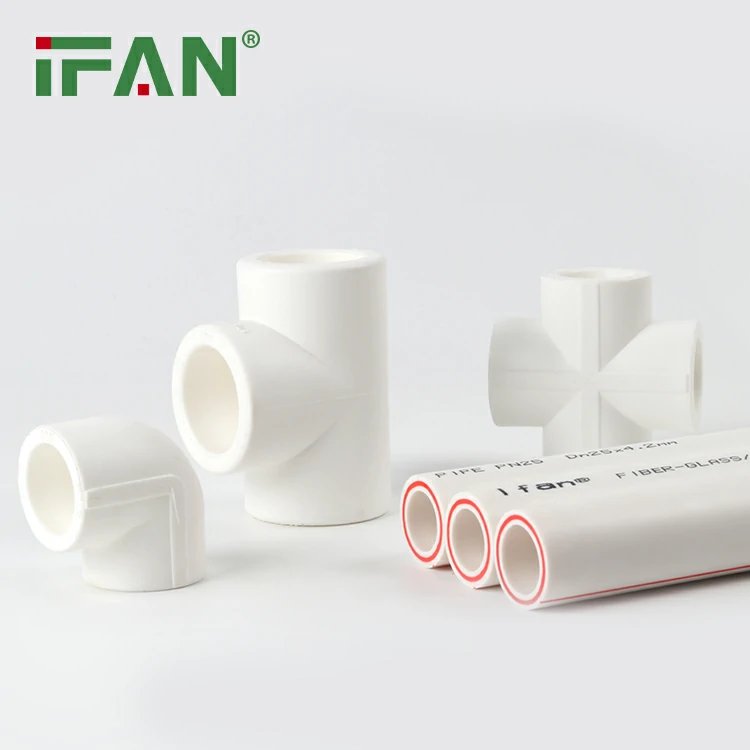
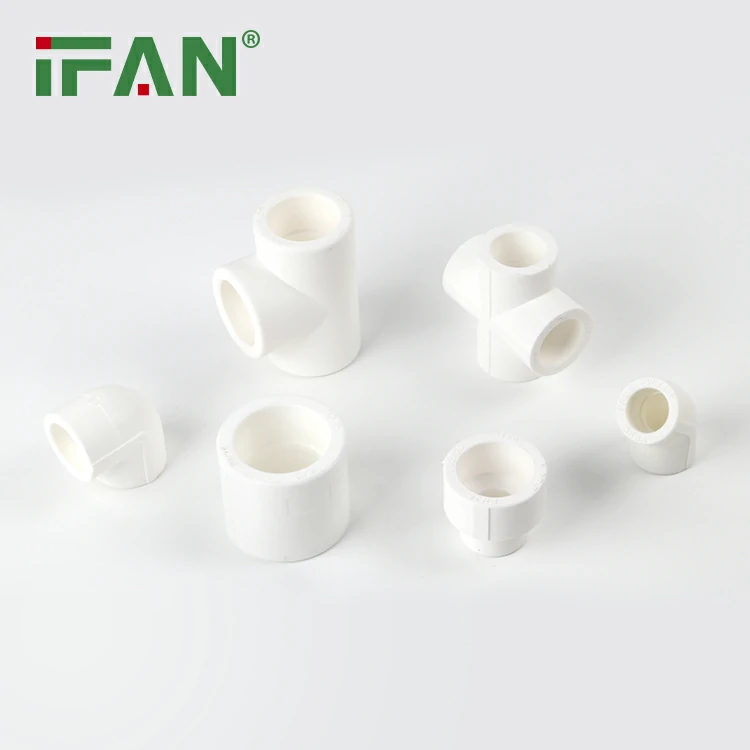
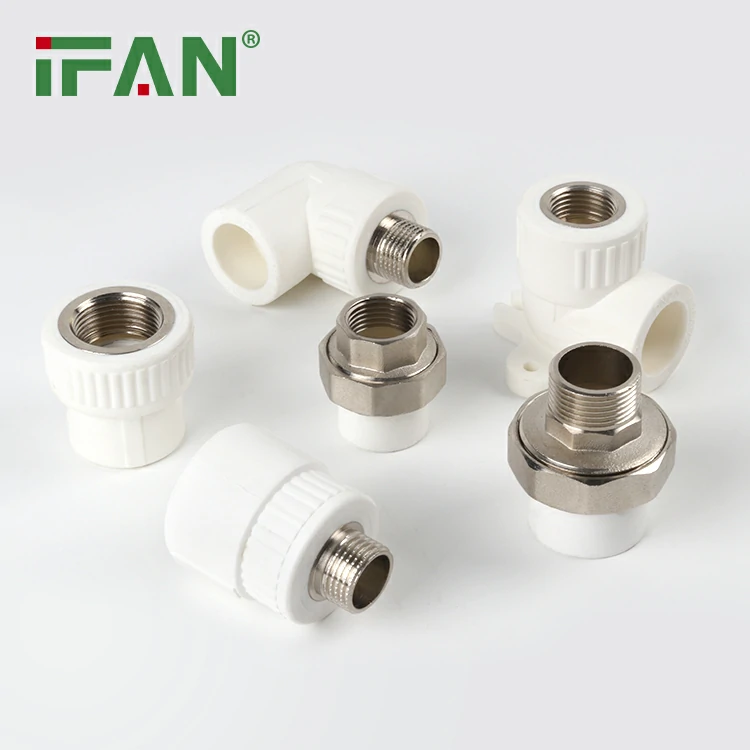
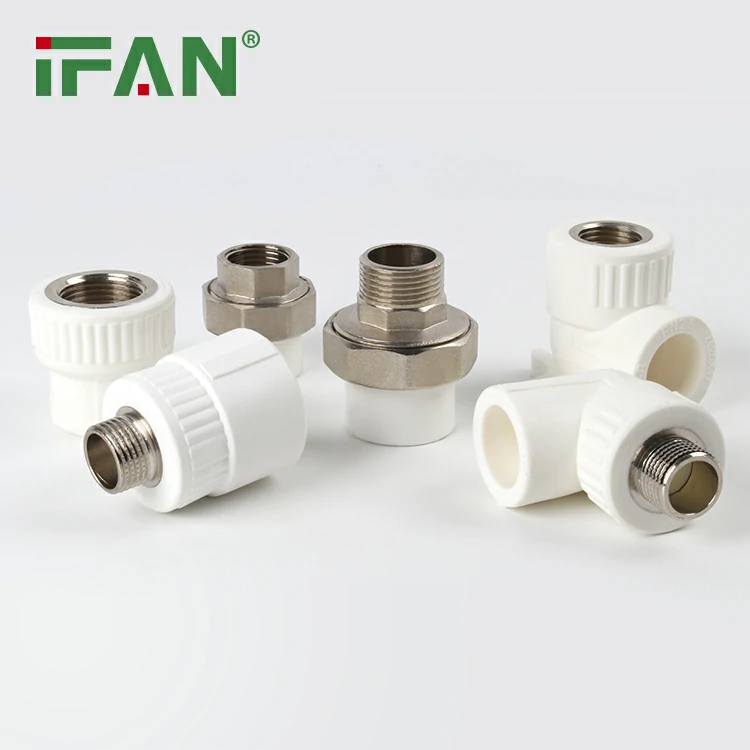
Description
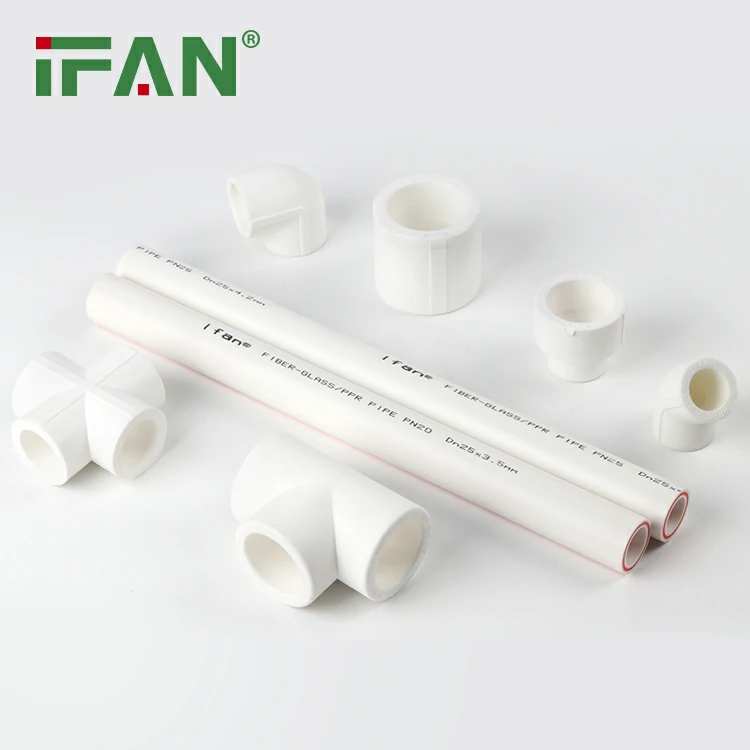
This is a common materials question. The answer depends on the application. Both have distinct advantages and limitations. PPR fittings excel in certain areas. PVC is better suited for others.
Understanding the Materials: PPR vs. PVC
PPR is a type of thermoplastic. It stands for Polypropylene Random Copolymer. PVC is Polyvinyl Chloride. Both are widely used in plumbing. Their chemical structures differ significantly.
Temperature Resistance: A Key Difference
PPR fittings handle much higher temperatures. They are rated for continuous use up to 80°C. They can withstand short-term peaks of 100°C. PVC softens at around 60°C. This makes PPR superior for hot water lines.
Pressure Capacity and System Longevity
PPR systems have excellent pressure ratings. They often operate at 10-12 bar for decades. Their fatigue resistance is very high. They handle pressure surges better than PVC. This ensures long-term system integrity.
Jointing Method: Fusion Welding vs. Solvent Cement
PPR fittings use heat fusion welding. This creates a seamless, monolithic joint. The joint becomes as strong as the pipe itself. PVC uses solvent cement welding. This chemical bond can be more susceptible to errors.
Health and Safety Considerations
PPR is considered very safe for potable water. It does not leach plasticizers. It is resistant to scale and biofilm buildup. Some PVC formulations can contain additives. PPR is often preferred for drinking water.
Flexibility and Impact Resistance
PPR is more flexible than PVC. It can withstand minor freezing without bursting. It has better impact resistance, especially in cold weather. PVC becomes brittle at low temperatures. This is a major advantage for PPR fittings.
Installation Speed and Skill Requirement
PPR fusion welding requires special tools. It needs a trained operator for perfect joints. PVC solvent welding is generally easier. It is more familiar to many installers. Both methods can be mastered quickly.
Cost Comparison: Initial and Lifetime
PPR fittings and pipe have a higher initial cost. The fusion equipment is an additional investment. However, the system’s longevity often justifies this. PVC has a lower upfront material cost.
Chemical Resistance Profile
Both materials resist many chemicals. PVC is better for certain acids and bases. PPR is superior for organic solvents. The choice depends on the fluid being transported. Always check chemical compatibility charts.
Applications Where PVC is Preferable
PVC is ideal for cold water drainage. It is perfect for underground electrical conduits. It is also excellent for pool plumbing. Its lower cost benefits large non-pressure applications.
Applications Where PPR Excels
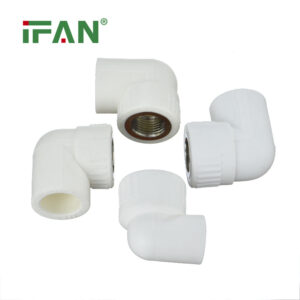
PPR fittings are best for residential hot and cold water. They are ideal for radiant floor heating systems. They excel in industrial process lines. They are also used in compressed air systems.
Conclusion: The Context-Dependent Answer
Neither material is universally better. PPR fittings are superior for hot water systems. They offer greater durability and safety. PVC is cost-effective for cold water and drainage. The best choice depends on your specific project needs. Always consult local codes and standards.
相关产品
 PPR Fitting
PPR Check Valve
- PPR Fitting
Tee PPR fittings
- PPR Fitting
White PPR Elbow With Seat
- PPR Fitting
White PPR Female Elbow Fittings



HAVE ANY QUERIES? SEND TO CONTACTOANTSMACHINE.COM
ONTACT US