
Understanding CPVC Material
CPVC stands for Chlorinated Polyvinyl Chloride. It is a thermoplastic polymer. CPVC is created by chlorinating PVC resin. This process increases chlorine content. The change improves temperature tolerance. It also enhances chemical resistance.
Definition and Form of Fittings
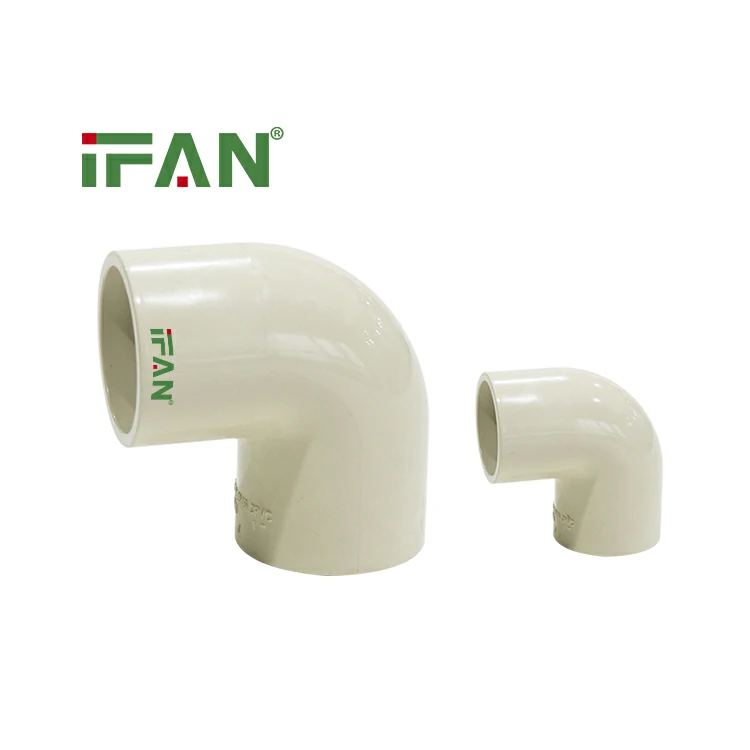
CPVC fittings are connection components. They join sections of CPVC pipe. These fittings come in many shapes. Common types are elbows, tees, and couplings. They are made from the same CPVC material. This ensures perfect compatibility.
Superior Temperature Performance
This is CPVC’s key advantage. It handles higher temperatures than standard PVC. CPVC can withstand up to 200°F (93°C). PVC softens around 140°F (60°C). This makes CPVC ideal for hot water. It is a safe choice for residential heaters.
Primary Use: Residential Hot Water Distribution
CPVC is very common in homes. It is used for hot and cold water lines. It supplies sinks, showers, and toilets. Builders install it inside walls and floors. It is a reliable alternative to copper. Many modern homes use CPVC systems.
Use in Commercial Building Plumbing
Large buildings also use CPVC. Hotels, schools, and offices install it. Its lightweight nature eases installation in high-rises. It resists scale buildup in hard water areas. It provides consistent water pressure on all floors. Maintenance is minimal.
Industrial Applications for Chemical Handling
CPVC resists many corrosive chemicals. It handles acids, bases, and salts. Factories use it for chemical drain lines. It is common in laboratories and plating shops. CPVC pipe fittings ensure safe fluid transport. They outperform many metals in these roles.
Fire Sprinkler System Applications
Some CPVC is rated for fire sprinklers. Special formulations meet strict safety standards. These systems use light hazard classifications. They are common in residential sprinklers. CPVC is cost-effective and corrosion-free. It will not clog like old steel pipes.
Connection to Water Heaters and Boilers
CPVC is perfect for heater connections. It attaches directly to the heater outlet. It carries hot water throughout the house. The material will not degrade from constant heat. Using CPVC pipe fittings here is standard practice.
Comparison to Copper and PEX Piping
CPVC is cheaper than copper tubing. It is also easier to install than copper. It does not require soldering skills. Compared to PEX, CPVC is more rigid. It offers higher temperature resistance than standard PEX. Each material has its ideal use case.
Installation via Solvent Cement Welding
CPVC systems use chemical welding. A specific solvent cement is applied. It chemically fuses the pipe and fitting together. This creates a permanent, monolithic joint. The joint is strong and leak-proof. Proper technique is essential.
Safety and Potable Water Certification
CPVC is certified for drinking water. It meets NSF/ANSI Standard 61. This ensures no harmful leaching occurs. It is a safe material for potable systems. Its smooth interior inhibits bacterial growth. It maintains water quality.
Conclusion on Versatility
CPVC pipe fittings are highly versatile. Their primary use is hot and cold water plumbing. They also serve industrial and fire protection roles. Their temperature and chemical resistance are key. They are a reliable, cost-effective solution for many fluid transport challenges.