
Understanding the Basic Design
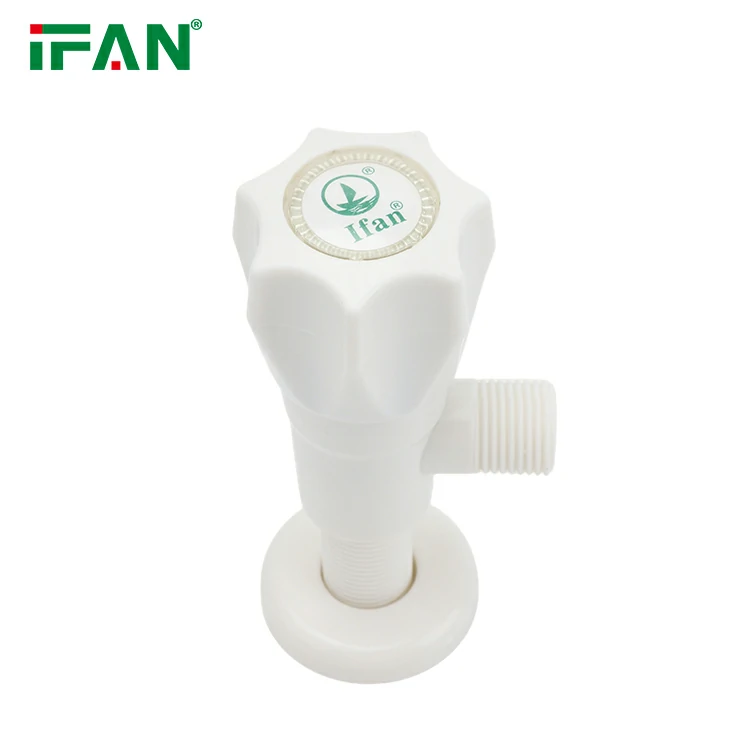
PVC Angle Valves are specialized plumbing components. They control liquid flow in a pipeline. Their unique feature is their shape. The inlet and outlet form a 90-degree angle. This distinguishes them from straight valves. They are essential for directional changes. This design saves space and fittings.
Primary Function and Purpose
Their main job is flow control. They can start or stop water completely. They can also regulate the flow rate. This is crucial for maintenance and repairs. For example, they can isolate a toilet. This allows for fixing it without shutting off the main water supply. They provide localized control.
Material Composition and Benefits
These valves are made from Polyvinyl Chloride. This is a strong, durable plastic. PVC offers excellent corrosion resistance. It does not rust like metal valves. It is also very lightweight. This makes installation much easier. The material is cost-effective too.
Common Types and Variations
There are two main types of PVC Angle Valves. The first is the ball valve type. It uses a lever for quick quarter-turn operation. The second is the gate or stop valve type. It uses a handwheel for gradual flow control. The choice depends on the application need.
Key Components and Parts
A typical valve has a solid body. It contains an internal ball or stem. A handle or wheel operates this mechanism. Threaded or slip connections are on each port. An important internal part is the seat seal. This ensures a tight closure when the valve is shut.
Typical Residential Applications
You find them in many homes. They are often under sinks and toilets. They connect water supply lines to fixtures. They are used for washing machines and dishwashers. Their angled design fits perfectly in corners. This maximizes space in cramped areas.
Widespread Industrial Uses
Industries rely on them heavily. They are used in chemical processing plants. They handle corrosive fluids safely. Water treatment facilities use them extensively. Their corrosion resistance is a major advantage. They ensure long-term system reliability.
Installation Process Overview
Installation is generally simple. For threaded valves, use Teflon tape on the threads. For slip valves, use PVC primer and cement. The valve must be oriented correctly. The inlet and outlet should align with the pipes. Tighten connections securely but do not over-tighten.
Advantages Over Metal Valves
They offer several key benefits. They are immune to rust and electrolysis. They are much lighter than brass or steel. They are easier to install and replace. Their cost is significantly lower. They work well with aggressive water chemistries.
Operational Mechanism
The ball valve type is most common. A hollow ball inside has a hole through it. Turning the handle aligns the hole with the flow. This opens the valve. A 90-degree turn blocks the flow completely. The seal is very positive and reliable.
Pressure and Temperature Ratings
All valves have operational limits. Standard PVC Angle Valves handle moderate pressure. They are suitable for cold water applications. Some are rated for hot water as well. Always check the manufacturer’s specifications. Using them beyond their limits risks failure.
A Versatile Plumbing Solution
In summary, PVC Angle Valves are highly useful. They provide reliable flow control at a 90-degree angle. Their plastic construction resists corrosion. They are vital in both homes and factories. Understanding their function helps in proper selection. They are a fundamental part of modern piping systems.