
Understanding the Importance of Maintenance
Angle valves are crucial for water control. They stop flow to specific fixtures. Regular upkeep ensures their reliability. It prevents minor issues from becoming major. A small leak can cause significant damage. Proper maintenance protects your entire plumbing system.
Scheduled Visual Inspection Routines
Perform a visual check every few months. Look for any signs of moisture. Check for green or white corrosion deposits. These indicate a slow, seeping leak. Inspect the valve body and all connections. Early detection is the most effective maintenance.
Regular Operational Exercise
Operate the valve handle periodically. Turn it fully off and then on again. Do this at least twice a year. This prevents internal components from sticking. It keeps the mechanism free for emergencies. It is a simple thirty-second task.
Checking for External Leakage
Feel around the valve with a dry hand. Look for water droplets on the body. Place a dry paper towel underneath overnight. Check for any dark wet spots in the morning. Address even the smallest drip immediately. Persistent moisture leads to corrosion and mold.
Listening for Diagnostic Sounds
Listen carefully while turning the handle. A grinding sound suggests internal debris. A high-pitched squeak means needed lubrication. Gurgling may signal a partial blockage. These audible clues help diagnose problems. They allow for early intervention.
Cleaning the Exterior Surfaces
Wipe the valve with a soft, damp cloth. Use a mild, non-abrasive cleaner if necessary. Avoid harsh chemicals on plated finishes. Dry the valve completely after cleaning. This maintains its appearance and function. It also helps you spot new leaks.
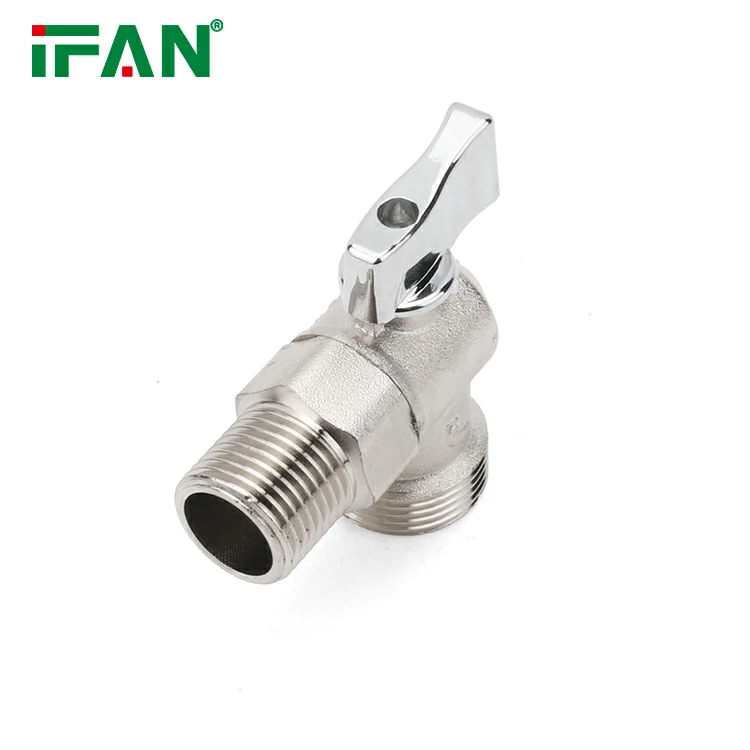
Inspecting Connection Integrity
Check the nuts connecting water supply lines. Ensure they are snug but not over-tightened. Gently tighten a quarter-turn if moisture is present. Always shut off the main water supply first. This prevents accidental flooding during inspection. Secure connections are leak-free connections.
Lubricating the Valve Stem
Some angle valves have a packing nut. Apply a drop of silicone-based lubricant. Place it on the stem where it enters the body. This ensures smooth handle rotation. It also helps maintain a watertight seal. Use lubricants safe for potable water systems.
Preventing Mineral Scale Buildup
Hard water causes limescale deposits internally. This can restrict water flow over time. To flush, turn off the water supply first. Disconnect the supply line from the valve inlet. Briefly open the valve to let debris escape. Reconnect the line and restore water pressure.
Addressing Stiff Handle Operation
A stiff handle is a common issue. Do not force it, as this can break parts. Try lubricating the stem as a first step. If stiffness remains, the internal washer may be faulty. The valve may require disassembly for cleaning. Replacement is often the most practical solution.
Knowing Replacement Indicators
Recognize when to replace an angle valve. Persistent leaking after tightening is a key sign. Failure to stop water flow completely is another. Visible cracks or deep corrosion warrant immediate replacement. Valves older than fifteen years should be considered. Proactive replacement avoids catastrophic failure.
Maintaining a Service Record
Keep a simple log for all household valves. Note the date of each inspection and action. Record any tightening, lubrication, or repairs. This log provides valuable historical data. It ensures maintenance is not forgotten. Consistent care guarantees long-term performance and peace of mind.