
Understanding the Saddle Clamp
A saddle clamp is a specialized fitting. It is used to create a new branch line. This is done from an existing main pipe. Its design resembles a saddle on a horse. It sits on top of the host pipe. It provides a secure and sealed connection. It is a popular alternative to tapping a tee. This fitting is crucial in many industries.
Primary Function and Purpose
Its main job is adding a connection point. It allows a new pipe to branch off. This is done without cutting the main line. It eliminates the need for a full shutdown. This saves significant time and labor. It is often used for irrigation systems. It is also common in plumbing and industrial piping. The saddle clamp makes retrofits much easier.
Key Components and Design
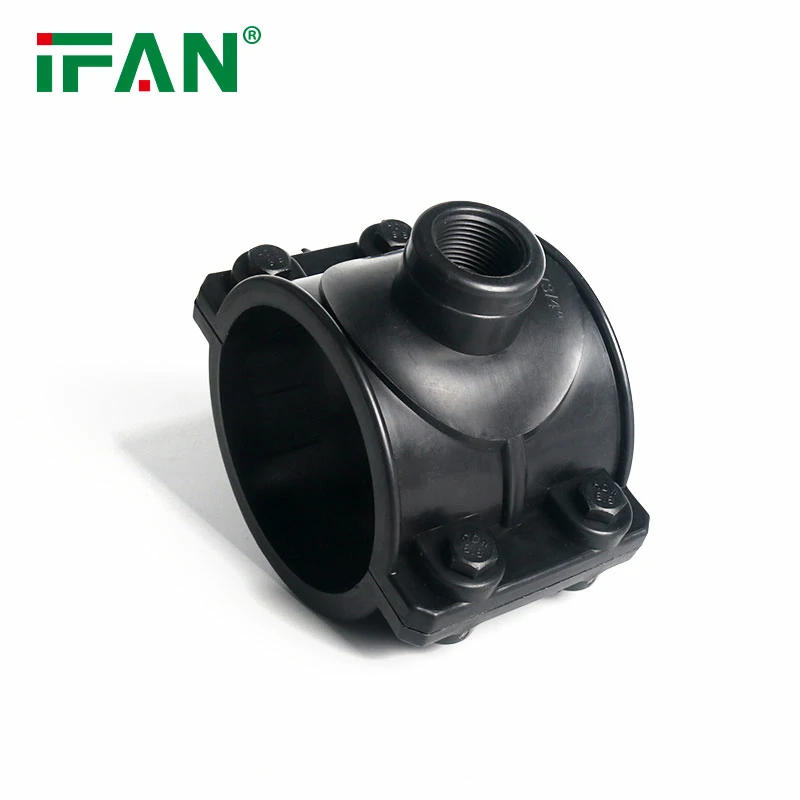
The clamp has several key parts. The saddle body curves around the pipe. A rubber gasket creates a watertight seal. Bolts or straps provide the clamping force. An outlet port connects the new branch. Some models include a built-in valve. Others have a drilling mechanism. This design ensures a strong, reliable joint.
Common Materials of Construction
These clamps are made from various materials. Many are constructed from stainless steel. This offers excellent corrosion resistance. Plastic versions are also widely available. These are often used with PVC pipes. The sealing gasket is typically EPDM rubber. This material is durable and flexible. Material choice depends on the application.
Main Applications in Plumbing
Plumbers use this tool frequently. It is perfect for adding a new water line. For example, adding an outdoor faucet. It can also connect a refrigerator’s water filter. It is used to install a water softener unit. The saddle clamp avoids major pipe surgery. It is a quick and cost-effective solution.
Widespread Use in Irrigation
Irrigation systems rely heavily on these clamps. They add sprinkler heads to existing lines. They connect drip irrigation emitters. A farmer can extend a system easily. It is ideal for repairing a broken lateral line. The clamp seals around the damaged area. This restores function without full replacement.
The Tapping Saddle Variation
A tapping saddle is a specific type. It includes a threaded outlet. This allows for a direct drill-and-tap operation. A hole is drilled through the main pipe. This is done through the saddle’s center. The new branch is then threaded on. This creates a very secure connection. It is a complete kit for one job.
Industrial and Municipal Uses
Industries use heavy-duty versions. They are used on large diameter water mains. They can add pressure sensors or gauges. Fire protection systems often use them. They add connections for fire hydrant lines. The saddle clamp is vital for system expansion. It maintains system integrity during modification.
Installation Process Overview
Installation is generally straightforward. First, clean the main pipe’s surface. Position the saddle over the pipe. Ensure the gasket is properly seated. Tighten the bolts evenly and securely. For tapping, drill through the guide. Then attach the new branch pipe. Finally, test the connection for leaks.
Advantages Over Traditional Methods
It offers many benefits. It requires no special tools for most types. It saves a significant amount of time. There is no need to drain the entire system. It reduces installation costs considerably. The risk of pipe contamination is lower. It is a very versatile fitting for many jobs.
Potential Limitations and Considerations
It is not a perfect solution for every case. It may not be suitable for very high pressures. The pipe wall must be in good condition. It can create a point of turbulence in flow. Incorrect installation can lead to leaks. Always check local plumbing codes first. Some codes restrict their use on potable water lines.
A Versatile Solution
In summary, the saddle clamp is highly useful. It serves a simple but important purpose. It allows for easy system modification. It is used from small gardens to large cities. Understanding its function helps in selecting the right tool. It remains a fundamental item for many trades.