
Understanding the Need for Maintenance
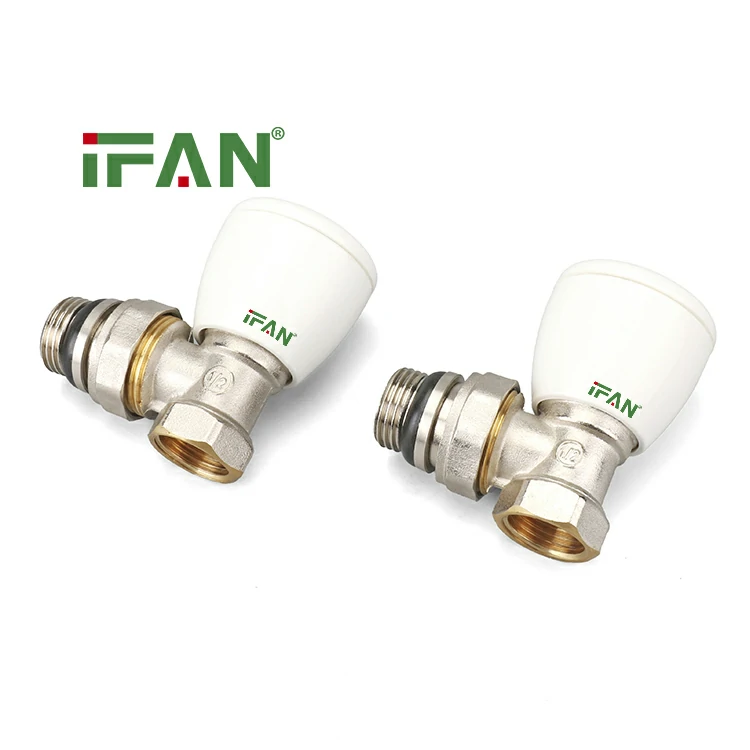
Radiator valves are mechanical devices. They control hot water flow to radiators. Like any component, they require care. Proper maintenance ensures optimal performance. It also extends their operational lifespan. Neglect can lead to inefficiency and failure.
Scheduled Visual Inspection
Conduct a visual check annually. Do this before the heating season begins. Look for any signs of moisture or leaks. Check for green or white corrosion deposits. These indicate minor weeping or condensation. Address any issues immediately.
Regular Operational Exercise
Exercise the valve handle frequently. Turn it from fully open to fully closed. Do this several times during the off-season. This prevents the internal mechanism from seizing. It keeps the valve free for emergency use. It is a simple, vital task.
Checking for External Leaks
Inspect the valve body and connections. Feel for dampness with a dry hand. Look for water droplets on the floor. Even a tiny, slow drip wastes water and energy. It can also cause significant damage over time. Tighten the gland nut slightly if weeping occurs.
Listening for Unusual Noises
Operate the valve and listen carefully. A grinding noise suggests internal debris. A high-pitched squeak indicates needed lubrication. Gurgling may signal a partial blockage. These sounds help diagnose early problems. They should not be ignored.
Cleaning the Exterior
Wipe the valve with a soft, damp cloth. Remove dust and grime gently. For chrome or brass finishes, use a mild cleaner. Avoid abrasive pads or harsh chemicals. A clean valve is easier to inspect. It also functions more smoothly.
Lubricating the Valve Stem (If Applicable)
Some older radiator valves have a packing nut. A drop of silicone-based lubricant can help. Apply it to the stem where it enters the valve body. This ensures smooth handle operation. It also helps maintain a watertight seal at the stem.
Bleeding the Radiator and System
Air trapped in the system affects valve operation. It can cause cold spots and noise. Use a radiator key to bleed each radiator. Do this until water flows steadily. This ensures the valve controls water, not air. It improves overall heating efficiency.
Inspecting the Thermostatic Head (TRVs)
For thermostatic valves, check the head. Ensure it is not blocked by curtains or furniture. Dust the sensor casing lightly. Do not paint over the head. Verify it turns freely through its range. A stuck head leads to poor temperature control.
Ensuring Proper System Balance
A balanced system protects valves. If one radiator heats much faster, adjust its lockshield valve. Partially close it to restrict flow. This ensures even heat distribution. It prevents excessive strain on any single valve.
Addressing Stiff or Stuck Valves
Do not force a stiff valve handle. Try lubricating the stem first. If it remains stuck, the internal washer may be swollen. The valve may need disassembly for cleaning. Replacement is often the simpler, long-term solution.
Professional Inspection and Replacement
Some tasks require a qualified plumber. Major leaks or persistent problems need expert diagnosis. Replacing old or faulty radiator valves is a professional job. They can ensure correct sizing and installation. This guarantees safety and system integrity.
Conclusion: Proactive Care is Key
Regular, simple maintenance is highly effective. It ensures valves operate smoothly and efficiently. It prevents small issues from becoming major failures. Well-maintained radiator valves contribute to a comfortable, cost-effective heating system. A small time investment yields significant long-term benefits.