
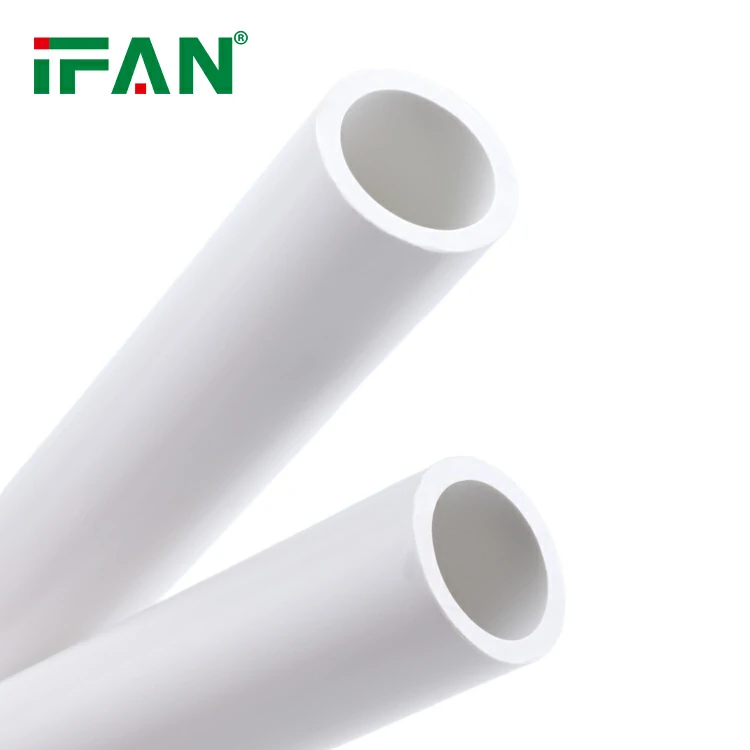
Description
Understanding UPVC Pipe Composition
UPVC (unplasticized polyvinyl chloride) pipe is a rigid plastic piping material widely used in plumbing and drainage systems. Unlike regular PVC, UPVC contains no plasticizers, making it more durable and chemically resistant. The material consists primarily of PVC resin, stabilizers, and fillers, which determine its physical properties. UPVC pipe is known for its corrosion resistance, lightweight nature, and cost-effectiveness. However, its fire resistance depends on its chemical composition and additives. Most standard UPVC pipes are not inherently fireproof but exhibit some flame-retardant qualities due to chlorine content in PVC.
How UPVC Reacts to Fire Exposure
When exposed to fire, UPVC pipe behaves differently than metal pipes. It does not burn easily but can melt and deform at temperatures above 60-80°C (140-176°F). At around 200-300°C (392-572°F), UPVC begins to decompose, releasing toxic gases like hydrogen chloride. Unlike steel pipes, UPVC does not contribute to structural collapse in fires but may fail under prolonged heat. Some UPVC pipes are treated with fire-retardant additives to improve performance. For example, certain industrial-grade UPVC pipes can self-extinguish when the flame source is removed.
Fire Safety Standards for UPVC Pipes
Various international standards evaluate UPVC pipe fire resistance. ASTM E84 and BS 476 assess flame spread and smoke development. UPVC typically achieves a Class 1 or Class B fire rating, indicating low flame spread. In Europe, EN 13501-1 classifies UPVC as Euroclass B or C for fire performance. Fire-resistant UPVC pipes may include additives like antimony trioxide to reduce flammability. However, not all UPVC pipes meet high fire safety standards, so checking certifications is crucial. For instance, fire-rated UPVC pipes are mandatory in high-rise buildings in many countries.
Comparing UPVC with Other Piping Materials
Unlike UPVC pipe, metal pipes like steel or copper are non-combustible but conduct heat rapidly. CPVC pipe, a chlorinated PVC variant, offers better fire resistance than standard UPVC. PEX pipes, another alternative, melt at lower temperatures but produce less toxic smoke. Concrete pipes are fireproof but impractical for many applications. UPVC strikes a balance between cost, durability, and moderate fire performance. For example, in residential plumbing, UPVC is often preferred over metal due to its corrosion resistance and decent fire behavior.
Applications Where UPVC Pipe Is Suitable
UPVC pipe is ideal for cold water systems, drainage, and ventilation where fire risk is minimal. It is widely used in residential, commercial, and industrial settings. However, in high-temperature environments or fire-prone areas, fire-retardant UPVC or alternative materials are recommended. For instance, UPVC pipes are common in underground drainage but avoided in HVAC systems near heat sources. Some fire-rated UPVC pipes are used in electrical conduits where flame resistance is critical. Always consult local fire codes before selecting UPVC for specific applications.
Limitations of UPVC in Fire Scenarios
While UPVC pipe has advantages, its fire resistance has limitations. It cannot withstand prolonged exposure to high temperatures, making it unsuitable for firefighting systems. Deformation under heat can cause leaks, increasing fire hazards. Toxic fumes from burning UPVC pose health risks to occupants and firefighters. For example, in a building fire, UPVC drainage pipes may fail, spreading flames between floors. Therefore, firestops and intumescent coatings are often used with UPVC pipes to enhance safety.
Improving UPVC Pipe Fire Resistance
Manufacturers enhance UPVC pipe fire resistance using additives like aluminum trihydrate or brominated compounds. Fire-resistant UPVC pipes may also have thicker walls or protective coatings. Intumescent wraps can prevent flame spread along UPVC pipe surfaces. For critical applications, hybrid pipes combining UPVC with fireproof layers are available. An example is UPVC pipes with ceramic fiber coatings used in industrial plants. These improvements make UPVC safer but increase cost and complexity.
Conclusion: Is UPVC Pipe Fire-Resistant?
UPVC pipe offers limited inherent fire resistance but is not fireproof. It resists ignition and slows flame spread but melts under high heat. Fire-rated UPVC pipes perform better but may still emit toxic smoke. For low-risk applications, UPVC is a practical choice, while high-fire-risk areas require alternatives. Always verify fire ratings and comply with safety regulations when using UPVC pipes. Proper installation and additional fireproofing measures can further enhance its safety in construction projects.
相关产品
 PVC Pipe
IFAN CPVC SCH80 Water Pipe
- PVC Pipe
ISO 4437 Gas Pipe Joint Fittings
- PVC Pipe
Brass Fittings Nipples
- PEX Fitting
IFAN PEX Equal Elbow



HAVE ANY QUERIES? SEND TO CONTACTOANTSMACHINE.COM
ONTACT US