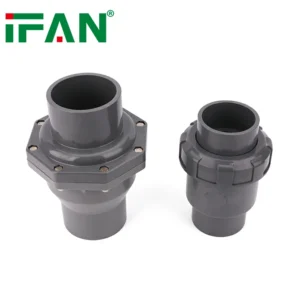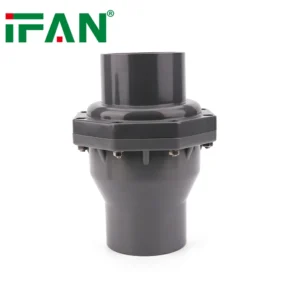
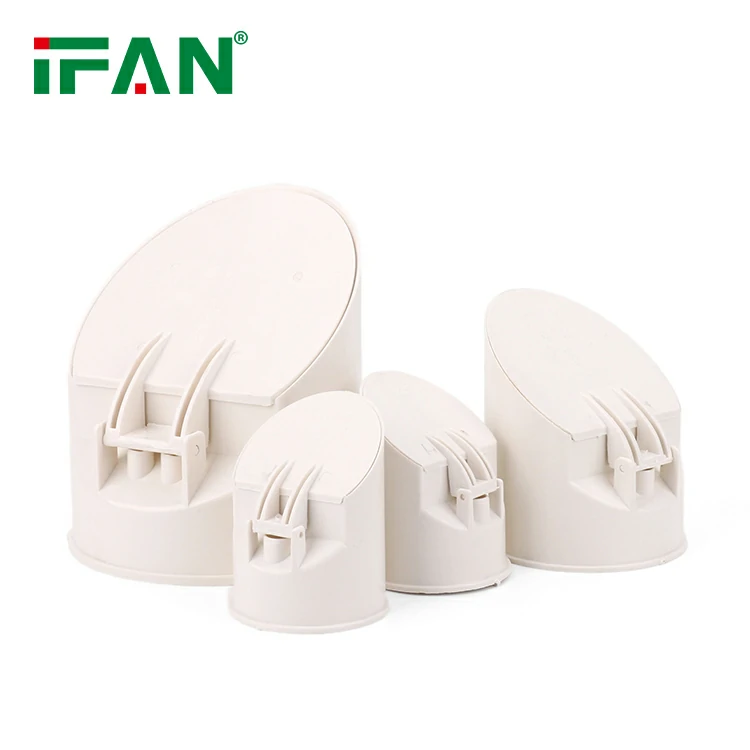
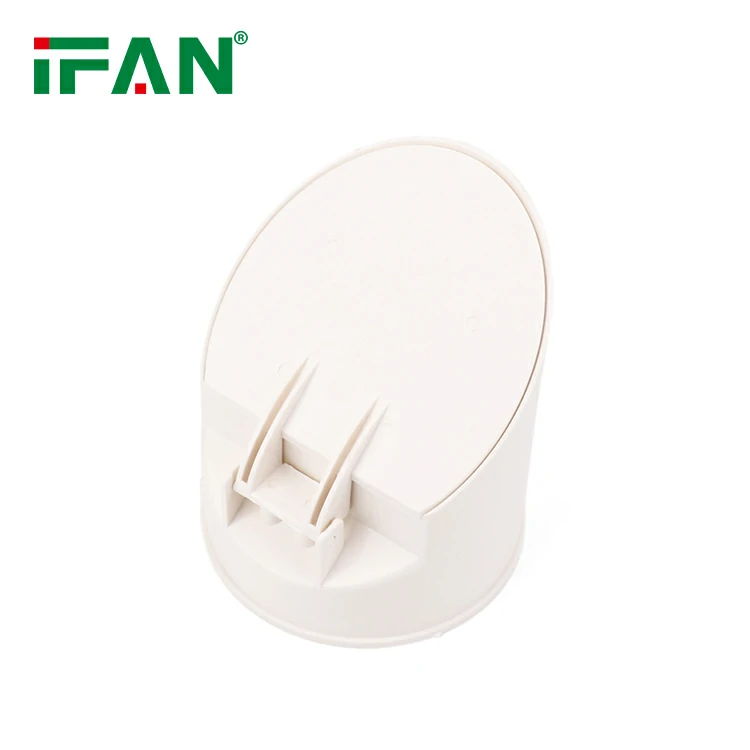
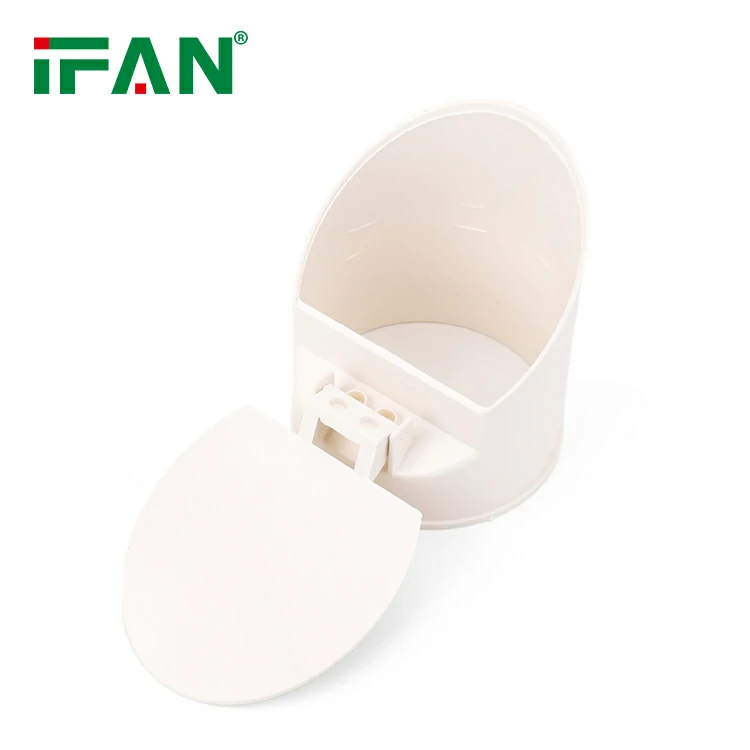
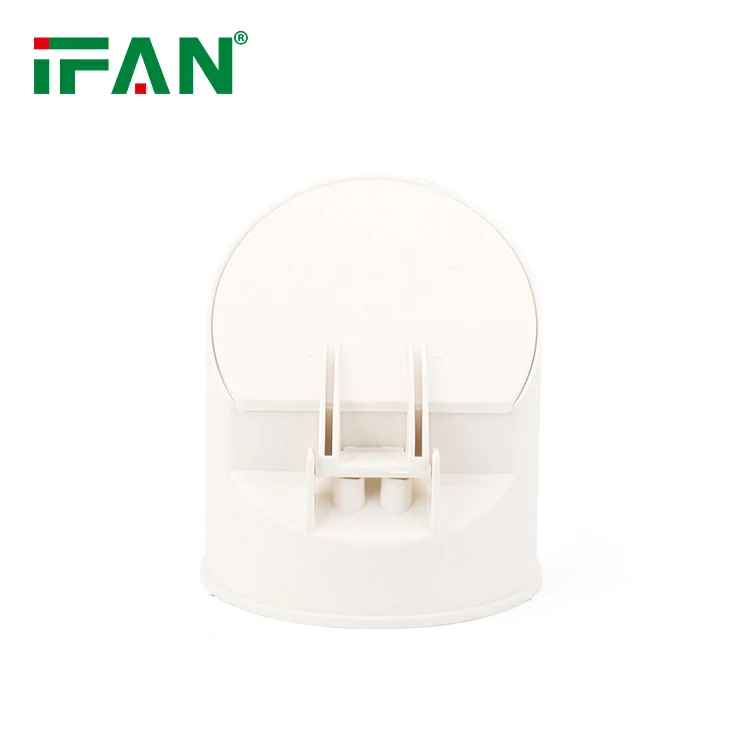
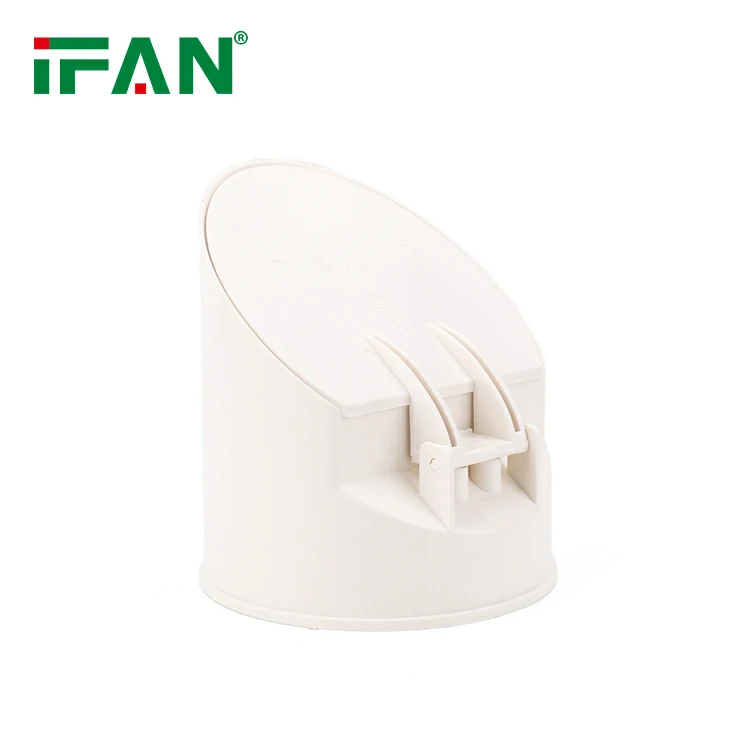
This is a common hydraulic question. The simple answer is yes, slightly. All valves create some flow resistance. PVC End Check Valves are no exception. The key is understanding how much and why.
Understanding Flow Resistance
Fluid dynamics explains this phenomenon. Any obstruction in a pipe creates friction. This friction causes a pressure drop. The flow rate is consequently reduced. Valves are intentional obstructions for control.
The Design of a Check Valve
A PVC End Check Valve has an internal mechanism. A spring or weight holds a disc closed. Flow must push against this to open. This action requires energy from the flow. This energy loss translates to pressure drop.
Comparing to a Straight Pipe
A straight pipe has minimal resistance. Adding any valve increases turbulence. The PVC End Check Valves disrupts laminar flow. This disruption converts flow energy into heat. The result is a lower net flow rate.
The Concept of Pressure Drop
Pressure drop is the critical metric. It is the difference in pressure across the valve. A high pressure drop indicates high resistance. PVC End Check Valves have a specific drop rating. This is provided by the manufacturer.
Factors Influencing Flow Reduction
Several factors affect the reduction. Valve size is the most important. A undersized valve drastically cuts flow. The spring strength also matters. A heavier spring requires more pressure to open.
Importance of Proper Sizing
Always match the valve size to the pipe. Using a smaller valve increases velocity. This significantly raises pressure drop. It can also cause cavitation and noise. Proper sizing minimizes flow impact.
Comparison to Other Valve Types
Some valves have higher resistance than others. Globe valves have very high pressure drop. Gate valves have relatively low drop. PVC End Check Valves fall somewhere in the middle. Their design is a compromise for function.
Real-World Impact on Systems
The effect is often negligible in large systems. In small, low-pressure systems, it can be noticeable. For example, in a garden irrigation system. A weak pump may struggle with the added resistance.
Minimizing Flow Restriction
Select valves with a full flow design. Ensure the valve is fully open during operation. Avoid installing valves in high-flow sections unnecessarily. Regular maintenance prevents obstructions from debris.
Calculating the Expected Drop
Engineers use the valve’s Cv (flow coefficient). A higher Cv means less flow restriction. The PVC End Check Valves manufacturer provides this number. You can calculate the expected pressure drop. This informs system design choices.
Conclusion: A Manageable Consideration
PVC End Check Valves do reduce flow slightly. This is an inherent trait of all check valves. The reduction is usually minimal with proper sizing. It should not deter their use for backflow prevention. Always consult technical specifications for your application.