
Understanding Ma Steel Material
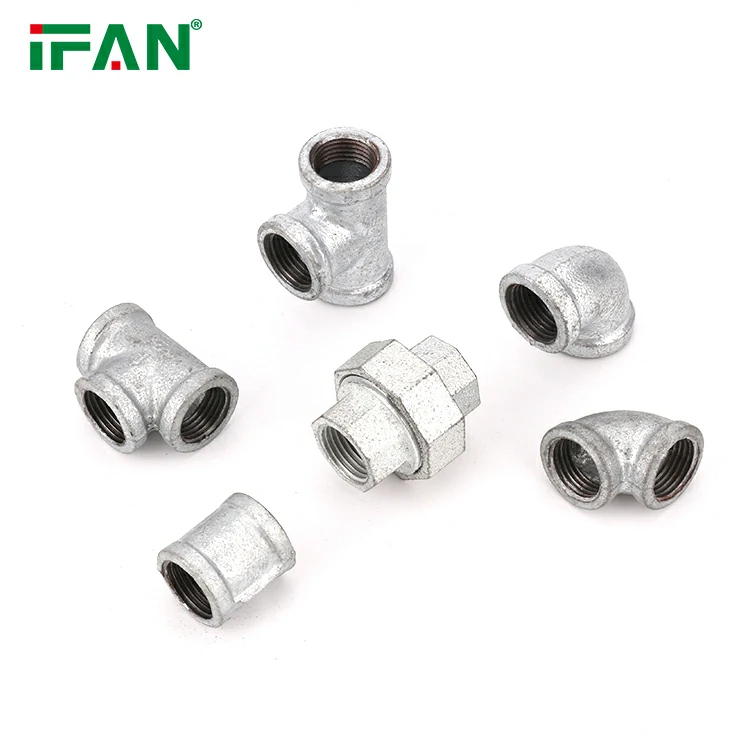
“Ma steel” typically means malleable iron. It is a type of cast iron. It undergoes a special heat treatment. This process improves its ductility. It becomes less brittle than gray iron. However, it still has several drawbacks. These disadvantages are important to know.
Susceptibility to Corrosion
Malleable iron rusts easily. It is vulnerable to water and moisture. This is its biggest weakness. Without protection, it deteriorates quickly. Galvanized coatings can help. But damaged coatings expose the base metal. This leads to rapid corrosion failure.
Heavy Weight and Handling Issues
These fittings are very heavy. They are much heavier than plastic alternatives. Installation requires more physical effort. Support structures must be stronger. This increases the total system weight. It also raises labor costs and time.
Complex Installation Process
Installation is not simple. It requires threading and sealing. Correct threading needs skill and tools. You must use pipe dope or Teflon tape. Over-tightening can cause cracks. Under-tightening leads to leaks. This demands an experienced installer.
Limited Chemical Resistance
Ma Steel Fittings corrode with many chemicals. They are not good with acids. They are also weak against strong alkalis. This limits their use in chemical plants. Plastic pipes are often a better choice. They offer superior chemical resistance.
High Cost Compared to Plastics
They are more expensive than PVC. Initial material cost is higher. Installation labor cost is also greater. The total project budget increases significantly. For many non-critical uses, they are not cost-effective. Plastics provide a cheaper solution.
Potential for Galvanic Corrosion
They can suffer galvanic corrosion. This happens when connected to dissimilar metals. For example, connecting to copper tubing is risky. An electrolyte like water must be present. This creates a corrosive battery effect. It quickly destroys the less noble metal.
Difficulty in Modification
Changing a system is hard. You cannot simply cut and glue them. Adding a new section requires threading. This is a messy and time-consuming job. It often needs a professional plumber. Plastic systems are much easier to modify.
Temperature and Pressure Limitations
They have operational limits. Very high temperatures can weaken them. Sudden thermal shock can cause cracking. They also have maximum pressure ratings. Exceeding these ratings is dangerous. This can lead to catastrophic system failure.
Concerns for Potable Water Systems
Rust can contaminate drinking water. Internal corrosion releases iron particles. This affects water color and taste. It can also stain plumbing fixtures. Modern standards often prefer copper or plastic. These materials are safer for potable water.
Comparative Durability Issues
While strong, they are not everlasting. Corrosion ultimately causes failure. A PVC system might last just as long. It will not rust in water applications. The perceived durability can be misleading. Environment determines their actual lifespan.
Summary of Drawbacks
In summary, Ma Steel Fittings have clear disadvantages. Their weight and cost are significant. Corrosion is a constant threat. Installation requires skill and care. They are not ideal for all applications. Weigh these drawbacks against your specific project needs before choosing.