
Understanding the Fitting Type
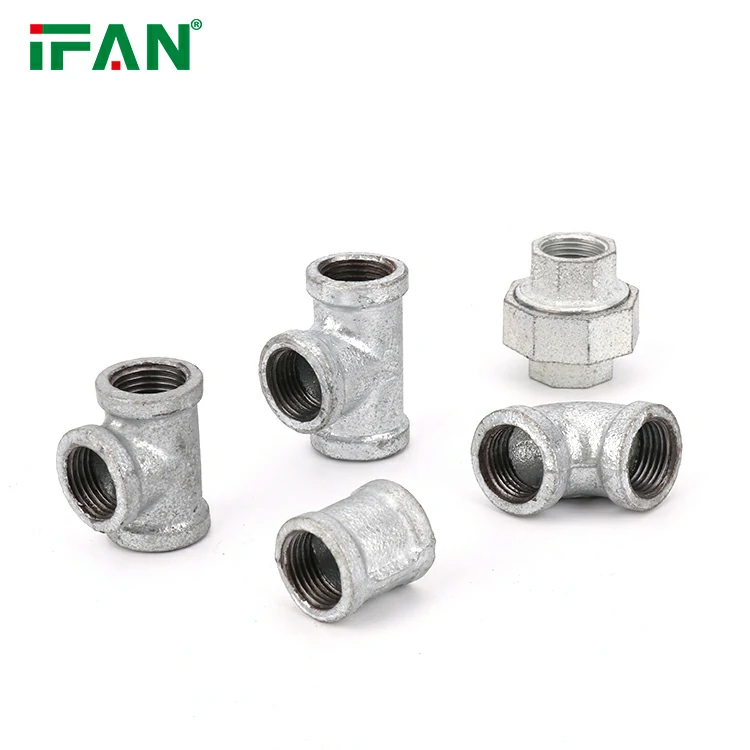
“Ma Steel” means malleable iron. It is a specific type of cast iron. It is heat-treated for strength. These fittings connect pipes. They are used in many industries. They are known for their durability. Their size range is very important.
The Standard NPT Sizing System
Most Ma Steel Fittings use NPT threads. NPT means National Pipe Taper. This is a US standard. Sizes are based on nominal pipe diameter. The actual dimensions are different. For example, a 1-inch fitting is larger. It measures about 1.315 inches outside.
Common Imperial Size Range
These fittings come in many sizes. Small sizes start at 1/8 inch. They go up to 6 inches or more. Common sizes are 1/4, 1/2, and 3/4 inch. One-inch and two-inch sizes are also popular. Larger sizes are for industrial use. Each size serves a specific purpose.
Metric Size Equivalents
Metric sizes are also available. They are common in international markets. A 15mm fitting is like 1/2 inch. A 20mm fitting is like 3/4 inch. A 25mm fitting equals 1 inch. It is crucial to match the systems correctly. Mixing them causes leaks and failure.
Elbow and Tee Fitting Dimensions
Elbows and tees have the same thread sizes. But their overall dimensions differ. A 90-degree elbow has a specific center-to-end length. This is standardized by manufacturers. A tee fitting has a run and an outlet. Their dimensions are found in specification charts.
Coupling and Union Sizes
Couplings are simple connectors. Their size is the thread at both ends. Unions allow for disassembly. They consist of three separate pieces. Their nut and locknut have the same thread size. The overall length is important for spacing.
Bushings and Reducers for Transitions
Bushings reduce pipe size. They have male and female threads. The sizes are different on each end. A reducer might be 1 inch by 3/4 inch. This allows connection of different pipes. They are essential for system flexibility.
Importance of Thread Pitch
Thread pitch is the number of threads per inch. It is critical for a proper seal. NPT threads have a standard pitch. For example, a 1/2-inch fitting has 14 threads per inch. Using the wrong pitch ruins the connection. Always verify the thread specification.
Identifying Fittings Correctly
Always measure the thread diameter. Use a caliper for accuracy. Do not rely on visual inspection alone. Count the threads per inch with a gauge. Compare your findings to a standard chart. This prevents costly installation errors.
Pressure Rating by Size
Larger fittings often handle higher pressure. A 1-inch Ma Steel Fitting has a specific rating. A 2-inch fitting may have a different one. The pressure rating decreases with size sometimes. Always check the manufacturer’s specifications. Do not assume all sizes are equal.
Packaging and Availability
Smaller sizes are sold in boxes. They are also available individually. Larger sizes are often single units. Common sizes are stocked by most suppliers. Uncommon sizes may require special ordering. Always plan your project around availability.
Choosing the Right Size
Selecting the correct size is vital. It ensures system integrity and safety. Measure your existing pipes carefully. Consult with a professional if unsure. Using the right Ma Steel Fittings guarantees a leak-free system. Proper sizing is the foundation of a successful project.