
Understanding Bronze as a Material
Bronze is a copper alloy. Tin is the main additive. Other elements like zinc may be present. This alloy is historically significant. It is strong and corrosion resistant. Its use in plumbing is traditional and widespread.
Lead Content and Regulatory History
Legacy bronze often contained lead. Lead improved machinability. Modern regulations strictly limit lead content. In the US, “lead-free” means less than 0.25% lead. New bronze fittings comply with this standard. Always verify the alloy composition.
Corrosion Resistance in Water Systems
Bronze is highly corrosion resistant. It forms a protective patina layer. This layer prevents further degradation. It handles both hot and cold water well. It resists pitting and scaling. This longevity is a major advantage.
NSF/ANSI 61 Certification
This is the crucial standard. It evaluates health effects of plumbing components. Certified bronze fittings are tested. They must not leach contaminants above safe limits. Products are marked “NSF/ANSI 61” or “NSF-pw”. This certification is essential for potable water.
Dezincification and Its Prevention
Some bronze alloys contain zinc. This can lead to selective leaching. Dezincification-resistant (DZR) bronze is used. It has additives like arsenic or antimony. DZR bronze is standard for potable water. It prevents weakening of the fitting.
Comparison to Brass and Copper Fittings
Brass contains zinc, not tin. Bronze is generally more corrosion resistant. Copper is a pure element, not an alloy. All three are suitable when lead-free. Bronze is often chosen for its strength. It is excellent for high-stress connections.
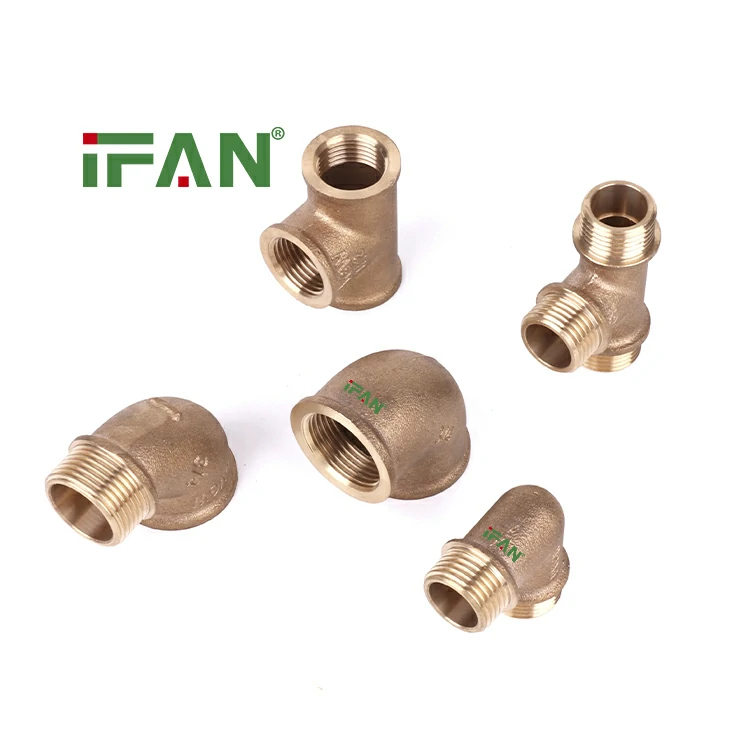
Application in Valves and Critical Components
Bronze is common in valves and pumps. Its strength handles high pressure. Its corrosion resistance ensures reliability. Many water meter fittings are bronze. It is a trusted material for essential system parts.
Temperature and Pressure Tolerance
Bronze performs under extreme conditions. It handles high-temperature hot water. It also withstands significant system pressure. This makes it suitable for main supply lines. It is reliable in both residential and commercial systems.
Aesthetic and Historical Considerations
Bronze has a distinct appearance. It develops a greenish patina over time. This is often desirable in historic buildings. It maintains a traditional, professional look. Modern systems use it for this character.
Long-Term Cost and Durability
Initial cost is higher than plastic. However, lifespan is measured in decades. It often outlasts the building itself. This provides excellent long-term value. Reduced maintenance costs offset the initial price.
Proper Installation and Maintenance
Installation requires standard techniques. Use lead-free solder or appropriate sealants. Avoid galvanic corrosion with dissimilar metals. Use dielectric unions when connecting to steel. Regular inspection for leaks is still recommended.
Final Suitability Verdict
Yes, certified bronze fittings are suitable. They are safe and effective for potable water. Modern lead-free, DZR alloys must be used. NSF/ANSI 61 certification is non-negotiable. They offer unmatched durability and reliability. They remain a premier choice for critical plumbing applications.