
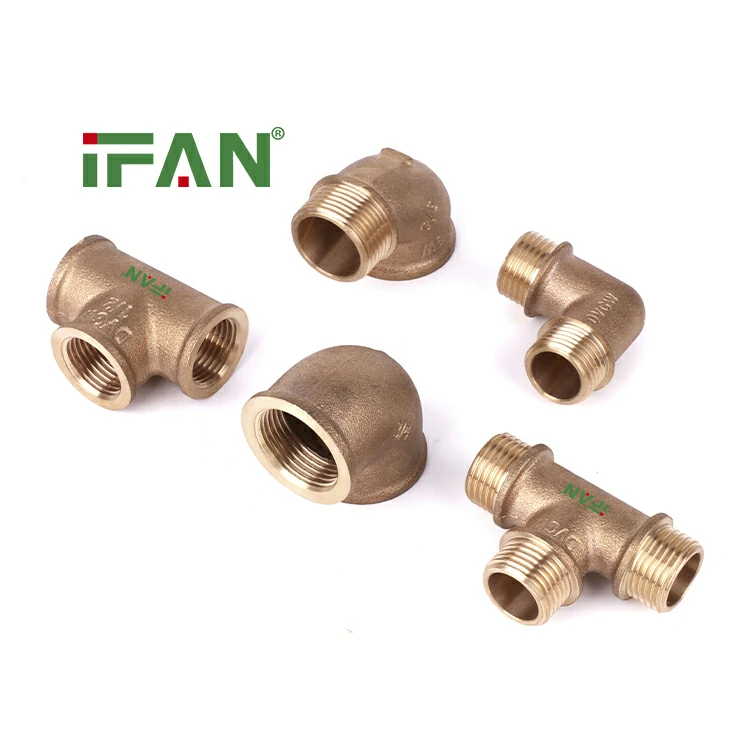
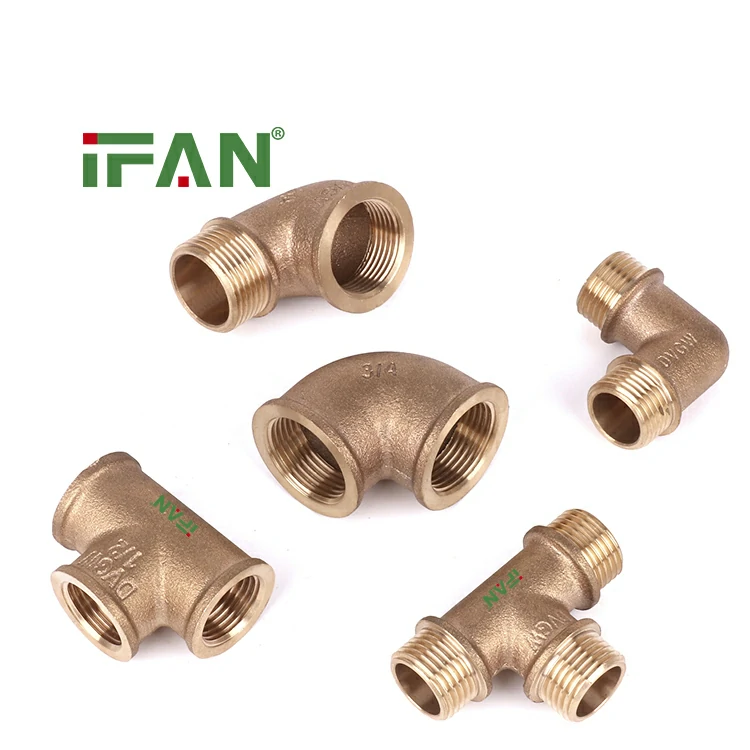
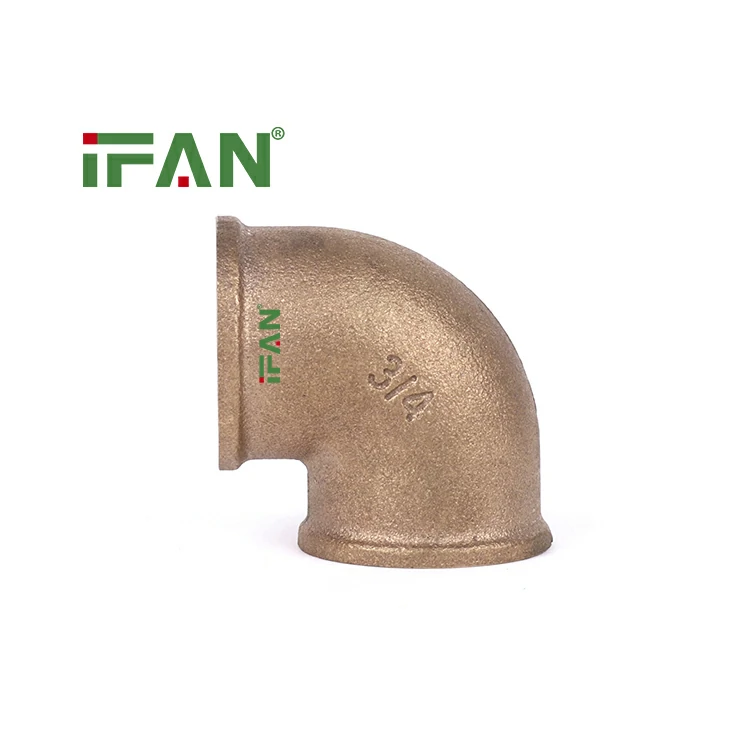
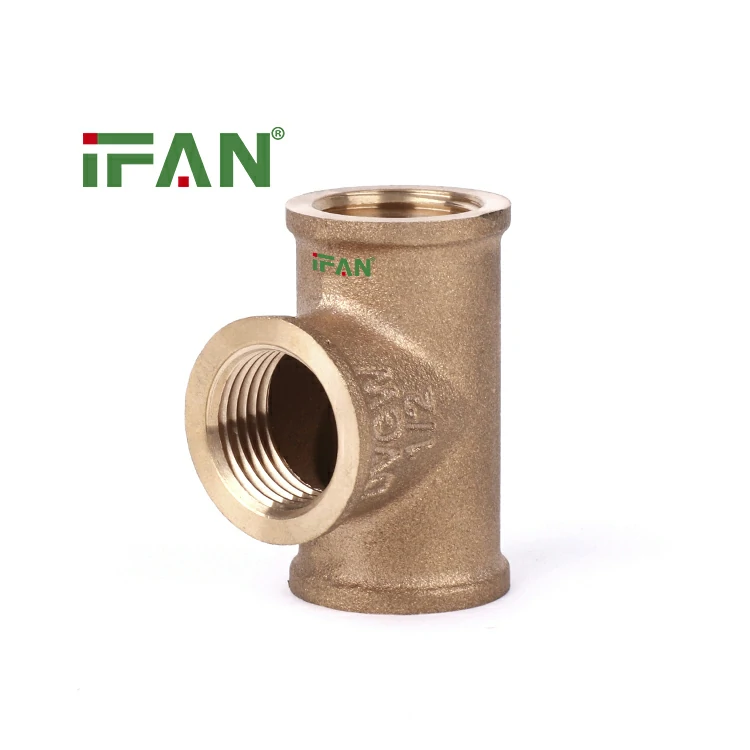
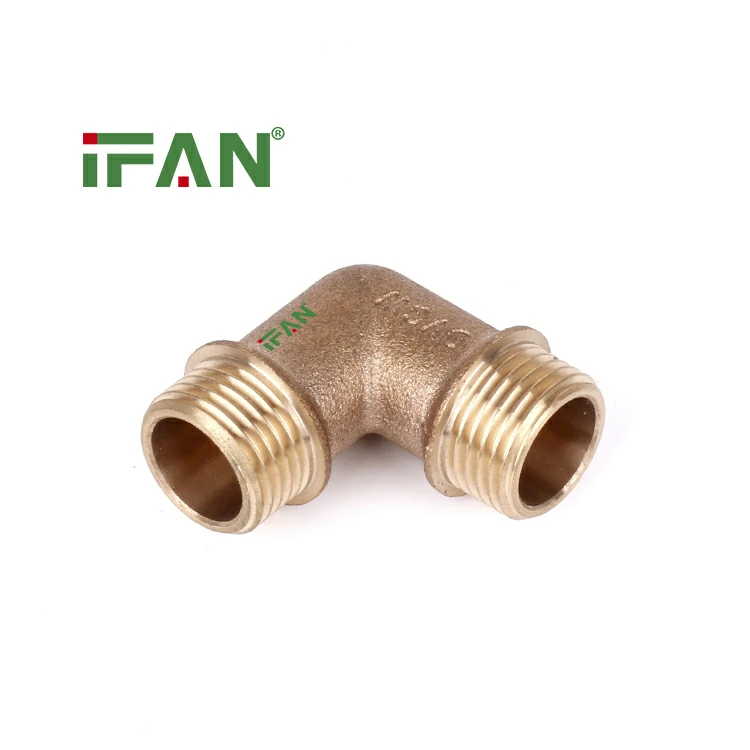
IFAN Durable Bronze Fittings
Category : Click Download
Whatsapp : +86 19884503412
Wechat : 19884503412
Description
Understanding Bronze’s Alloy Composition
Bronze is primarily copper and tin. This basic formula resists corrosion well. Additional elements improve specific properties. Common additives include phosphorus and silicon. These create distinct bronze types. Each type has unique corrosion resistance.
The Natural Protective Patina
All bronze fittings develop a surface layer. This patina forms from oxidation. It acts as a protective barrier. The layer prevents deeper metal corrosion. This process is called passivation. It greatly extends the fitting’s lifespan.
Resistance to Atmospheric Corrosion
Bronze excels in outdoor environments. It withstands rain, humidity, and pollution. Marine atmospheres are particularly challenging. Bronze resists salt spray corrosion effectively. Many marine fixtures use bronze for this reason. It outperforms plain steel outdoors.
Performance in Freshwater Systems
Fresh water has minimal corrosive effect. Bronze fittings are ideal for potable water. They handle both hot and cold lines. Chlorinated city water rarely damages them. Their smooth interior resists scale buildup. This maintains water flow for decades.
Behavior in Seawater and Saltwater
Seawater is highly corrosive to most metals. Bronze offers excellent resistance here. Specific alloys like aluminum bronze are best. They resist biofouling and pitting. Ships and offshore platforms use these fittings. They are critical for seawater cooling systems.
Resistance to Chemical Corrosion
Bronze handles many chemicals well. It resists dilute sulfuric and hydrochloric acids. It also withstands alkaline solutions. However, strong ammonia compounds attack bronze. Always check chemical compatibility charts. Industrial applications require careful selection.
Galvanic Corrosion Considerations
Bronze is a noble metal. It can accelerate corrosion in less noble metals. Connecting bronze to steel or aluminum is risky. An electrolyte like water must be present. Using dielectric unions prevents this problem. Proper installation avoids galvanic couples.
The Dezincification Challenge
Some bronze alloys contain zinc. This can lead to selective leaching. The zinc corrodes, leaving a porous copper structure. Dezincification-resistant (DZR) bronze prevents this. Modern potable water fittings use DZR bronze. This ensures long-term structural integrity.
Stress Corrosion Cracking Potential
Bronze can crack under sustained tension. This occurs in specific corrosive environments. Ammonia vapors are a known cause. Proper alloy selection minimizes this risk. Avoiding excessive mechanical stress is also key. Most standard applications never encounter this.
Comparison to Other Common Metals
Bronze outperforms cast iron and steel. These ferrous metals rust quickly. Stainless steel has similar resistance to bronze. Copper is slightly less resistant than bronze. Brass, containing more zinc, is less resistant. Bronze fittings offer a balanced performance profile.
Long-Term Field Performance Evidence
Historical evidence supports bronze’s durability. Ancient bronze artifacts survive millennia. Modern plumbing systems confirm this. Fittings installed 50 years ago often remain functional. Their corrosion resistance is proven in real-world conditions.
Maintaining Corrosion Resistance
Proper installation preserves the material. Avoid abrasive cleaning that removes the patina. Ensure the system uses compatible metals. Follow manufacturer recommendations for fluid service. With correct use, bronze fittings provide exceptional, lifelong corrosion resistance. This makes them a premium choice for demanding applications.
相关产品
 01 Series
Brass Reduce Tee
- 01 Series
Brass Reduce Nipple
- 01 Series
Brass Bushing
- 01 Series
Brass Nipple



HAVE ANY QUERIES? SEND TO CONTACTOANTSMACHINE.COM
ONTACT US