
Understanding the Mechanism of Leaks
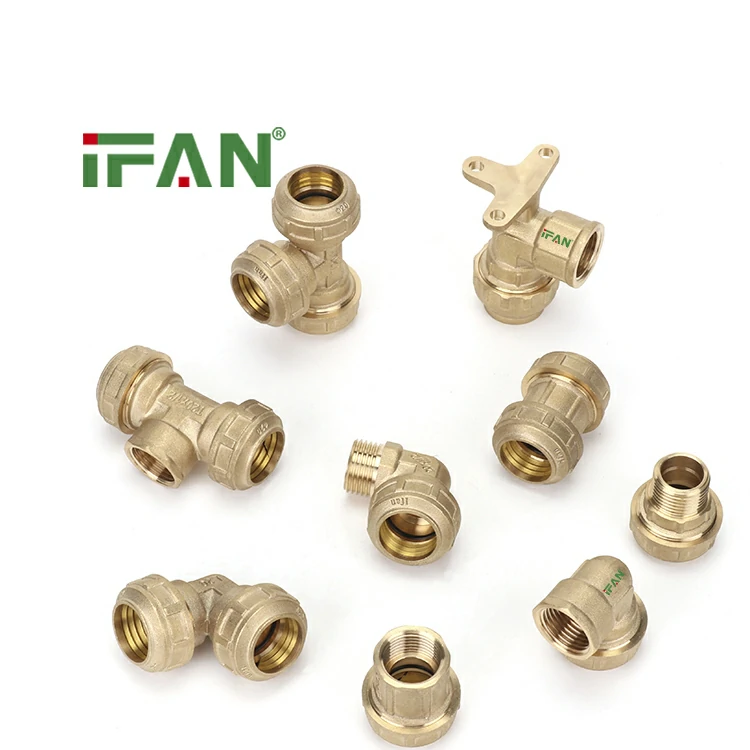
PE compression fittings create a mechanical seal. A seal ring compresses against the pipe. A grip ring holds the pipe in place. Leaks occur when this seal fails. Failure can happen for many reasons. Most causes are preventable with proper technique.
Improper Cutting and Pipe Preparation
A non-square cut is a primary cause. It leaves a gap between the pipe and seal. This gap allows water to escape. Rough cuts create burrs on the pipe. Burrs can cut into the sealing ring. Always use a sharp, dedicated plastic pipe cutter.
Insufficient Insertion Depth
The pipe must be fully inserted. It must reach the internal stop. Incomplete insertion leaves the seal ring exposed. The seal cannot grip the pipe properly. This causes an immediate leak. Mark the pipe for correct depth before assembly.
Incorrect Tightening of the Compression Nut
Overtightening is a common error. It can deform the plastic pipe. It may also crush the sealing ring. Undertightening fails to compress the seal. The joint remains loose and weepy. Use hand-tightening followed by a specified tool turn.
Using Damaged or Worn Components
Reusing old fittings risks leaks. The sealing ring loses elasticity over time. The grip ring’s teeth may be worn. Even new fittings can have manufacturing flaws. Inspect all parts before installation. Never use visibly damaged PE compression fittings.
Mismatch Between Pipe and Fitting Size
PE pipe has standard outside diameters. The fitting must match this diameter exactly. Using a 25mm fitting on 32mm pipe is impossible. Using it on 20mm pipe is equally wrong. Always verify the SDR rating and diameter. This ensures a perfect size match.
Absence or Degradation of the Sealing Ring
Some installers forget the sealing ring. Others may use the wrong ring material. EPDM rings are common for water. Rings can degrade from UV exposure or chemicals. A missing or hardened ring cannot seal. Always use the manufacturer’s supplied rings.
Thermal Cycling and Expansion Stress
PE pipe expands and contracts with temperature. This movement stresses the mechanical joint. Over many cycles, the seal can loosen. This leads to a slow, intermittent leak. In stable environments, this is less likely.
Excessive System Vibration
Pumps and valves create vibration. Constant shaking can loosen the compression nut. The nut may back off over months or years. This gradually breaks the seal. Secure piping with proper supports. This minimizes transmitted vibration.
Chemical Incompatibility with Seal Materials
The sealing ring may react with the fluid. Aggressive chemicals can swell or degrade EPDM. Always check chemical compatibility charts. Use rings made of FKM (Viton) for harsh chemicals. Standard rings are for water only.
Installation in Dirty or Wet Conditions
Dirt on the pipe prevents a seal. Sand or grit acts as a spacer. Moisture can lubricate the pipe surface. This allows the pipe to slip under pressure. Always clean and dry the pipe end thoroughly. Wipe it with a clean, dry cloth.
Lack of Proper Support and Alignment
Pipes must be supported near the fitting. Sagging pipes create bending stress. This stress pulls the pipe from the fitting. It also distorts the sealing geometry. Use pipe clips within 300mm of the joint. Ensure pipes are aligned straight before tightening.
Conclusion: Prevention Through Precision
Most leaks stem from installation errors. Precision in cutting and assembly is vital. Use the correct tools and components. Follow the manufacturer’s instructions exactly. Properly installed PE compression fittings are very reliable. They provide leak-free service for many years in suitable applications. Regular inspection is still recommended for critical systems.