
Understanding Brass Material Properties
Brass is a metal alloy of copper and zinc. Its melting point is quite high. However, mechanical strength decreases with heat. The material expands when heated. This affects its sealing ability. Understanding these limits is essential for safe application.
Standard Temperature Ratings for Brass
Most standard brass ball valves have clear temperature ratings. Common ratings range from 180°F to 250°F (82°C to 121°C). This covers typical residential hot water systems. Water heaters often output at 120-140°F. Standard brass works well within this range.
The Impact of High Heat on Seals
The valve contains non-metallic seals. These are often PTFE (Teflon) seats and O-rings. High temperatures soften these materials. This compromises the seal’s integrity. The valve may become difficult to turn. It may also leak past the seats or stem.
Pressure Derating at Elevated Temperatures
Valve pressure ratings decrease with heat. A valve rated for 600 psi WOG at 70°F drops at 200°F. This is called pressure derating. Manufacturers provide derating charts. Always consult these for high-temperature applications. Ignoring this can lead to catastrophic failure.
Thermal Expansion and Valve Jamming
The ball and stem expand when heated. Different metals expand at different rates. This can cause the valve to jam. It may become impossible to turn. The handle could break if forced. Designing for thermal movement is critical.
Application in Residential Hot Water Systems
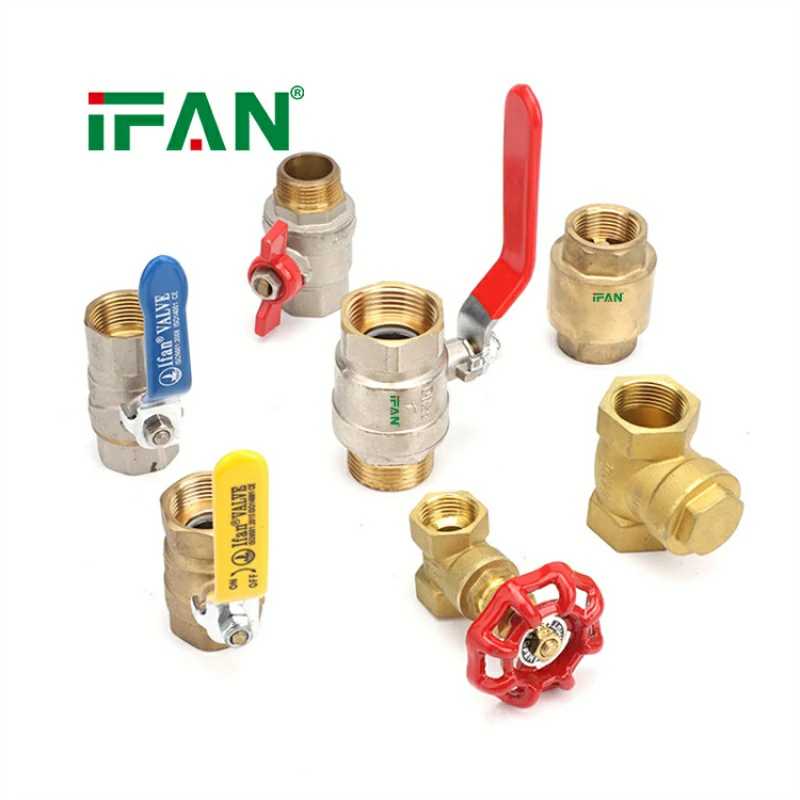
Brass ball valves are standard in homes. They control water to sinks and showers. They are used on water heater connections. These applications are well within their limits. They perform reliably for decades in this role.
Suitability for Central Heating Systems
Central heating water temperatures are moderate. Typical systems run at 160-180°F. This is at the upper end of standard ratings. Quality brass ball valves handle this well. They are commonly used on radiators and boilers.
Limitations for Steam and High-Heat Industrial Use
Brass is not suitable for steam lines. Steam temperatures exceed 212°F easily. This damages the internal seals rapidly. For high-heat industrial processes, use steel valves. Stainless steel or forged steel handles extreme heat. Brass is simply not designed for this.
Special High-Temperature Brass Alloys
Some brass alloys perform better at heat. Silicon bronze or aluminum bronze are options. These have higher melting points. They maintain strength at elevated temperatures. However, they are less common and more expensive. Standard yellow brass is not sufficient.
Effect of Long-Term Heat Exposure
Prolonged heat causes gradual changes. The brass may anneal (soften) over time. This reduces its mechanical strength. Seals harden and become brittle. Leaks eventually develop. Periodic inspection becomes crucial for hot systems.
Signs of Overheating in Brass Valves
Watch for specific warning signs. Discoloration or a dull surface is a clue. Difficulty turning the handle is another. Visible leaks around the stem or body indicate failure. If you see these, the valve has been overheated. Immediate replacement is necessary.
Conclusion on Temperature Suitability
Brass ball valves are suitable for moderate temperatures. They excel in residential and commercial hot water. They work well in standard hydronic heating. They are not suitable for steam or high industrial heat. Always verify the manufacturer’s temperature rating. For extreme heat, choose a valve specifically designed for those conditions.