
Understanding the Core Question
The question involves multi-purpose use. Can one valve serve both water and gas? This is a common inquiry. The answer is not a simple yes or no. It depends on specific factors. Safety and certification are paramount.
Material Compatibility: Water vs. Gas
Brass is compatible with both fluids. Water and natural gas do not corrode brass. However, gas requires stricter leak prevention. Gas molecules are smaller than water molecules. They can escape through tiny gaps. A water-tight seal may not be gas-tight.
The Critical Role of Certification
Valves must be certified for their intended use. Water valves carry NSF or similar marks. Gas valves carry UL or CSA certifications. These tests are different. A gas valve is tested for leakage more rigorously. Never interchange without proper certification.
Design Differences Between Valve Types
Gas valves often have safety features. They may have a spring-loaded handle. Some have a limited-stop design. This prevents accidental full opening. Water valves lack these features. The internal seals may also differ. Gas valves use special non-porous materials.
Pressure Ratings and Safety Margins
Gas systems operate at low pressure. Residential gas is under 0.5 psi. Water pressure is often 40-80 psi. However, gas valves require higher safety margins. A small gas leak is explosive. The valve’s integrity is more critical.
Using a Single Valve for Both Fluids
Using the same brass ball valves for both is risky. It might work for a while. But cross-contamination is possible. Water residue could affect gas seals. Gas could contaminate the water line. This creates multiple hazards.
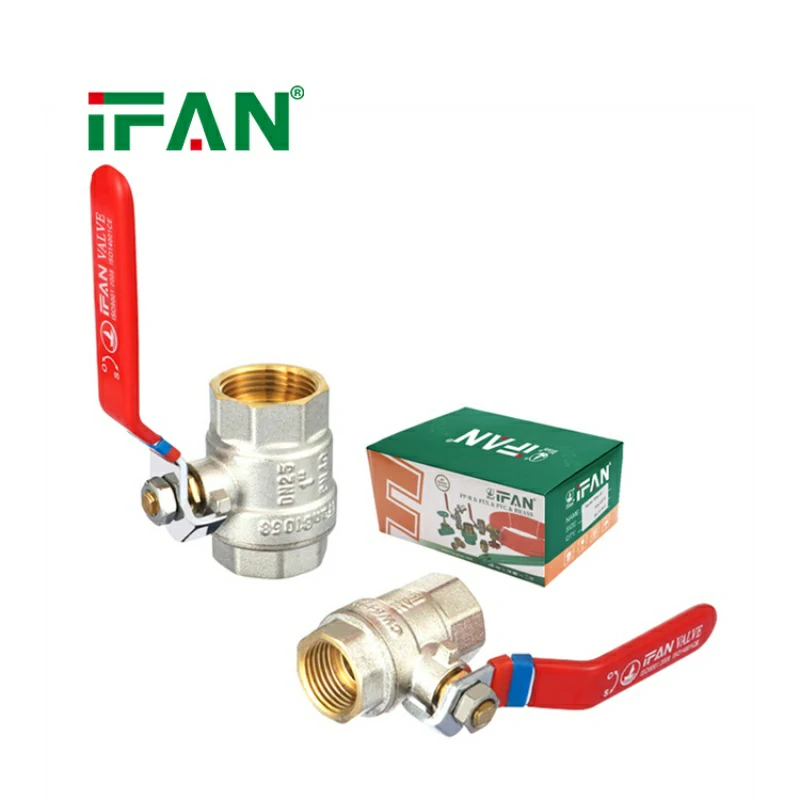
Markings and Identification Standards
Certified gas valves are clearly marked. They often have a yellow handle. The body is stamped with “UL” or “AGA”. Water valves are typically red or blue handled. These visual cues prevent misuse. Never rely on memory or guesswork.
Temperature Considerations
Gas lines are often at ambient temperature. Water lines can be hot or cold. Hot water stresses seals differently. A valve used for both experiences thermal cycling. This accelerates wear on internal components. It reduces long-term reliability.
Regulatory and Code Requirements
Building codes strictly prohibit interchanging. Using a water valve for gas is a code violation. It will fail inspection. Insurance may be voided if an accident occurs. Legal liability is a major concern. Always follow local plumbing and gas codes.
Professional Recommendations
Plumbers and gas fitters are clear. Use dedicated valves for each service. Never use a water valve on a gas line. Never use a gas valve on potable water. The risks far outweigh any convenience. Safety is the only priority.
Examples of Proper Applications
A brass ball valve on a water heater inlet is fine. A different, certified valve on the gas supply is required. A valve on an outdoor hose bib is for water only. A valve on a gas grill supply must be gas-rated. Keep them separate.
Conclusion: Dedicated Use is Essential
In summary, brass ball valves are versatile. However, they must be certified for the specific fluid. A water valve cannot be used for gas. A gas valve should not be used for water. Always check the certification markings. Use the right valve for the right job. This ensures safety, code compliance, and reliable system performance.