
Understanding the Valve’s Orientation
A brass ball valve has a specific flow direction. Some valves have an arrow on the body. This indicates the preferred flow path. Always install with flow following the arrow. Even bidirectional valves benefit from consistent orientation. This ensures optimal performance and longevity.
Gathering Necessary Tools and Materials
You need several items for proper installation. Have two adjustable wrenches ready. You need pipe thread sealant or Teflon tape. A wire brush cleans old threads. Safety glasses protect your eyes. Work gloves are also recommended. Gather everything before starting.
Preparing the Pipe Threads
Inspect the male pipe threads carefully. They should be clean and undamaged. Use a wire brush to remove old debris. Burrs or rough spots can cause leaks. Ensure the threads are dry and free of grease. Proper preparation is essential for a good seal.
Applying Thread Sealant Correctly
For threaded connections, sealant is mandatory. If using Teflon tape, wrap it clockwise. Start at the second thread from the end. Overlap each wrap by half the width. Use three to five wraps total. For pipe dope, apply an even layer to all threads.
Hand-Tightening the Valve First
Begin by threading the valve by hand. Turn it clockwise until it stops. This ensures the threads engage correctly. It prevents cross-threading. Stop when the valve is snug. Do not use a wrench at this stage. Proper alignment is the goal.
Positioning the Valve Handle
Consider where the handle will rest. It must have full range of motion. It should not hit walls or other pipes. The handle should be easy to access. Think about future operation needs. A poorly positioned handle is frustrating.
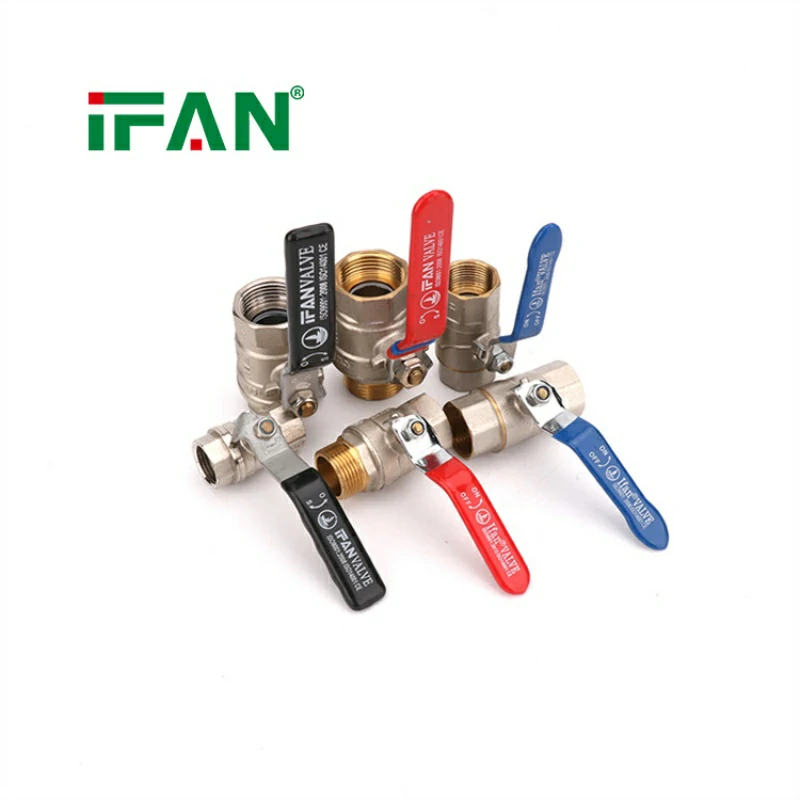
Final Tightening with Wrenches
Use two wrenches for final tightening. One wrench holds the valve body steady. The other turns the pipe or fitting. This prevents stress on the valve. Tighten one to two turns past hand-tight. Do not overtighten, as this can crack the brass.
Avoiding Common Installation Mistakes
Never use the valve as a lever. Do not hang other pipes from it. Avoid applying heat near the valve. Keep Teflon tape away from the first thread. Do not allow sealant inside the valve. These mistakes cause leaks and damage.
Supporting the Valve and Pipes
The valve should not bear the pipe’s weight. Install pipe supports near the valve. This relieves mechanical stress. It prevents sagging and joint strain. Proper support ensures long-term reliability. It also protects threaded connections.
Testing for Leaks After Installation
Slowly turn the water supply back on. Check all connections immediately. Look for any signs of water droplets. Feel around the joints with a dry finger. If a leak appears, tighten slightly. If it persists, disassemble and reapply sealant.
Operating the Valve After Installation
Exercise the new brass ball valve fully. Turn it completely open and then closed. This seats the internal components. It also confirms smooth operation. Do this several times. It ensures everything is working correctly.
Final Inspection and Documentation
Inspect the area for any tools left behind. Note the valve’s location for future reference. Record the installation date if desired. A properly installed brass ball valve provides reliable service. It will control flow effectively for many years. Correct installation is the foundation of its longevity.