
Understanding the Leak Source
First, identify exactly where the leak originates. Is it from the handle stem? Is it from the body threads? Or is it from a crack in the brass? Dry the valve completely with a rag. Watch closely to see where water appears. This determines the repair approach.
Safety First: Shutting Off Water
Always turn off the water supply. Close the main shut-off valve upstream. Open a faucet to relieve system pressure. Place a bucket and towels underneath. Water will remain in the line. Be prepared for some spillage.
Tools and Materials Needed
Gather necessary items before starting. You need adjustable wrenches. Have replacement O-rings or packing. Teflon tape and pipe dope are essential. A small screwdriver helps with disassembly. Wear safety glasses for protection.
Tightening the Packing Nut
For stem leaks, try the packing nut first. This nut compresses the seal around the stem. Use a wrench to turn it clockwise slightly. A quarter-turn is often sufficient. Do not over-tighten, as this binds the stem. Check if the leak stops.
Replacing the Stem O-Rings
If tightening fails, replace the O-rings. Remove the handle by unscrewing its nut. Unscrew the packing nut and stem assembly. Carefully extract the old O-rings. Take them to a hardware store for matching. Lubricate new rings and reassemble.
Tightening Threaded Connections
Leaks at the pipe joint are different. These are usually from loose threads. Use two wrenches to hold the valve steady. Tighten the pipe nut slightly clockwise. If the leak persists, the sealant has failed. Disassembly and re-taping are needed.
Removing and Re-sealing Threads
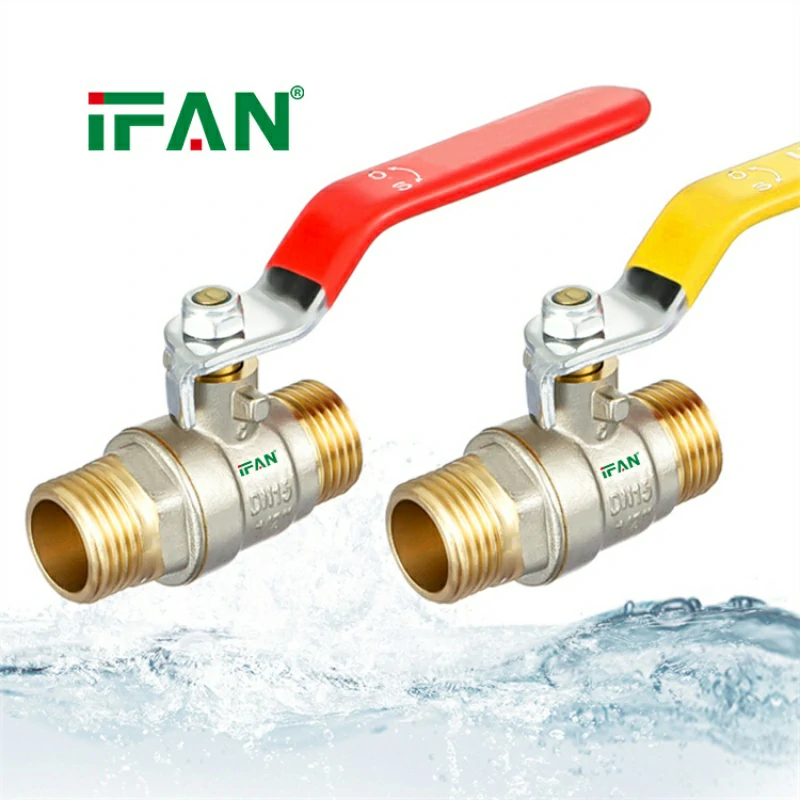
Unscrew the brass ball valve from the pipe. Clean all old tape or dope from the threads. Inspect the threads for damage. Apply fresh Teflon tape clockwise. Use four to six wraps. Reinstall the valve and tighten securely.
Debris in the Valve Seat
Sometimes the leak is when the valve is closed. Debris may be stuck in the seat. Partially open and close the valve rapidly. This often flushes out small particles. If not, the valve may need disassembly. Internal cleaning might be required.
Replacing Worn Internal Seats
Internal seats wear over time. This requires major disassembly. Not all valves are designed for this. You may need to remove the handle and stem. Then extract the ball and seats. Replace them with a manufacturer’s repair kit.
Dealing with a Cracked Body
A crack in the brass body is serious. This cannot be repaired safely. The crack will only grow under pressure. The entire brass ball valve must be replaced. Attempting to patch or glue it is dangerous. Immediate replacement is the only safe option.
Testing After Repair
Slowly turn the water back on. Check all repaired areas carefully. Look for any signs of moisture. Operate the valve fully several times. Ensure the handle turns smoothly. Monitor the repair for the next few hours.
Knowing When to Replace Instead
Sometimes replacement is the best choice. If repairs are complex, consider this. A new brass ball valve is inexpensive. It guarantees a fresh start with all new seals. It saves time and frustration. It ensures long-term, reliable performance.