
Understanding the Material for Gas
Brass is a common material for gas fittings. It is strong and corrosion-resistant. It does not create sparks. This is crucial for flammable gas safety. Brass has been used in gas lines for decades. Its properties are well understood and trusted.
The Critical Need for Certification
Not all brass ball valves are gas-rated. The valve must be specifically certified. Look for markings like “UL” or “CSA”. These indicate testing for gas service. The valve has passed leak-tightness tests. Certification is non-negotiable for safety.
Design Features of Gas-Rated Valves
Gas valves have specific design elements. They often have a spring-loaded handle. This prevents accidental opening. Seals are made of special materials. These resist gas permeation. The valve body may be thicker for safety margins.
Pressure Ratings for Gas Systems
Residential natural gas pressure is low. It is typically under 0.5 psi. Propane systems operate at slightly higher pressures. Standard brass ball valves can handle this easily. However, the seal must be gas-tight. A water-tight seal is not enough for gas.
Seal Material and Gas Compatibility
The seals inside the valve are critical. They are often made of PTFE or special elastomers. These materials must resist gas permeation. Some rubber compounds degrade with gas exposure. Gas-rated valves use tested, compatible materials.
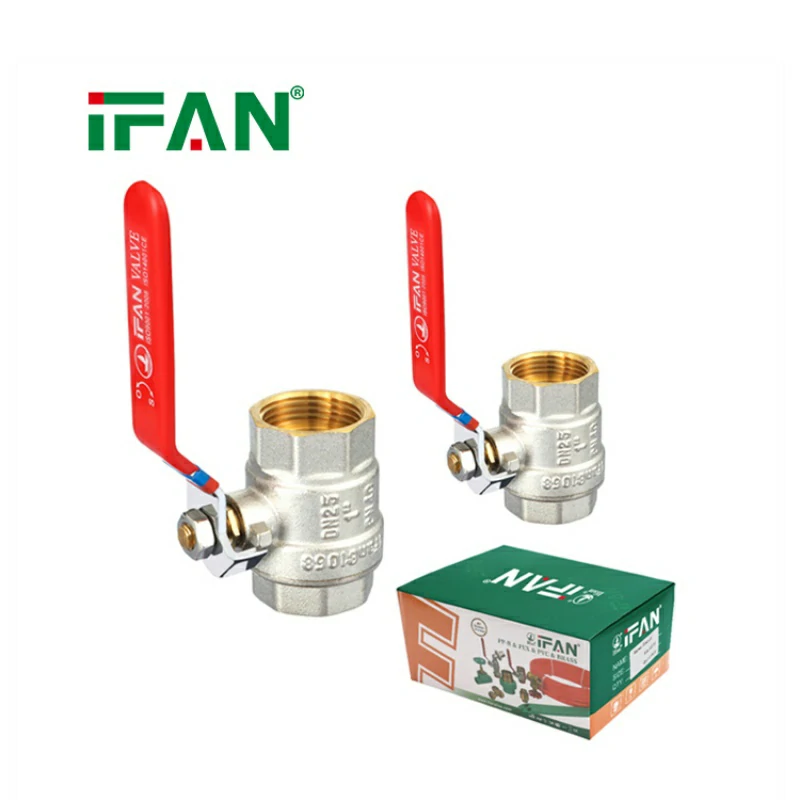
Leak-Tightness Requirements
Gas molecules are very small. They can escape through tiny gaps. Gas valves are tested for this. They must meet strict bubble-tight standards. A valve that seals water may leak gas. This is why specific certification is vital.
Applications in Natural Gas Systems
Certified brass ball valves are common. They are used on gas supply lines. They serve as shut-offs for appliances. Examples include stoves, water heaters, and furnaces. They are also used on gas grills. Proper installation by a licensed professional is required.
Use with Liquefied Petroleum (Propane) Gas
Propane has different properties than natural gas. It is stored under pressure as a liquid. It vaporizes to gas for use. Brass valves certified for LP gas are available. They handle the higher pressures safely. Always verify the valve is rated for propane.
Comparison to Other Gas Valve Materials
Steel and iron are also used for gas. They are very strong and durable. However, they can rust over time. Brass offers superior corrosion resistance. It is lighter and easier to machine. It is a preferred material for residential gas.
Installation Best Practices for Gas
Use only certified gas-rated valves. Apply yellow gas-rated Teflon tape. This tape is thicker and designed for gas. Use pipe dope rated for gas if preferred. Tighten connections securely but carefully. Always pressure test the system after installation.
Regular Inspection and Maintenance
Gas valves should be inspected periodically. Look for any signs of corrosion or damage. Check for the smell of gas around the valve. Use a gas detector or soapy water solution. Bubbles indicate a leak requiring immediate attention.
Conclusion on Suitability
Yes, brass ball valves are suitable for gas. They must be specifically certified for gas service. They must be installed correctly with proper materials. They offer durability and corrosion resistance. Using uncertified valves is dangerous and illegal. For safety and code compliance, always choose gas-rated brass valves from reputable manufacturers.