
Understanding the Joining Principle
UPVC fittings are joined using solvent cement. This is a chemical welding process. The cement melts the plastic surfaces. They then fuse together permanently. The joint becomes monolithic. It is often stronger than the pipe itself. Proper technique is essential for success.
Essential Tools and Materials
Gather all necessary items first. You need a fine-toothed saw or pipe cutter. A deburring tool or file is required. Have clean, dry rags ready. You must use UPVC primer and solvent cement. Wear safety glasses and chemical-resistant gloves.
Measuring and Cutting the Pipe
Measure the pipe length carefully. Mark the cut line with a pencil. Use a miter box for a square cut. Cut the pipe cleanly and squarely. A ragged or angled cut causes problems. It prevents full insertion into the socket.
Deburring and Cleaning the Pipe End
Remove all burrs from the cut end. Use a deburring tool or file. Smooth both the inside and outside edges. Wipe the pipe end with a clean rag. Remove all dust, dirt, and moisture. A clean surface is critical for bonding.
The Importance of Dry Fitting
Always perform a dry fit first. Insert the pipe into the fitting socket. Do not use any cement at this stage. Mark the pipe at the socket edge with a pencil. This shows the correct insertion depth. Confirm the alignment is correct.
Applying Primer to the Surfaces
UPVC primer prepares the plastic. It cleans and softens the surfaces. Apply it generously to the pipe end. Also apply it inside the fitting socket. Use the applicator brush provided. Allow it to dry for a few seconds. This step is often skipped but vital.
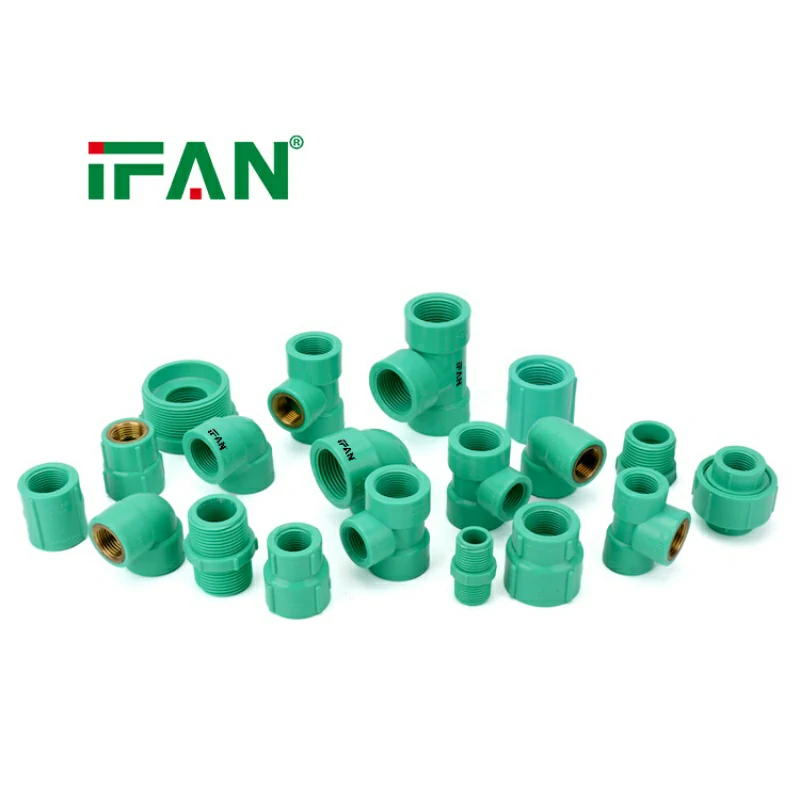
Applying Solvent Cement
Use cement specifically for UPVC. Apply a thin, even coat to the pipe end. Apply another coat inside the fitting socket. Work quickly as the cement sets fast. Ensure complete coverage of all mating surfaces. Avoid excess cement inside the pipe.
Making the Final Joint
Immediately insert the pipe into the fitting. Push it fully to your depth mark. Give the pipe a quarter-turn as you push. This spreads the cement evenly. Hold the joint firmly for 15-30 seconds. This prevents the pipe from pushing back out.
Wiping Away Excess Cement
A small bead of cement will appear. This is normal and indicates good coverage. Wipe away excess with a clean rag. Do not disturb the joint while wiping. Leave a neat, clean appearance. Excess cement inside can restrict flow.
Curing and Setting Time
The joint sets quickly but cures slowly. Do not move or stress the joint. Allow the manufacturer’s recommended curing time. For pressure systems, wait at least 24 hours. Patience ensures a strong, permanent bond. Rushing leads to joint failure.
Alternative: Rubber Ring Seal Joints
Some UPVC fittings use rubber rings. These are push-fit or ring-seal joints. Clean the pipe end and rubber ring groove. Lubricate the ring with silicone grease. Push the pipe firmly into the fitting until it stops. A click indicates proper engagement.
Conclusion on Proper Installation
Proper installation of UPVC fittings is methodical. Each step from cutting to curing matters. Following the correct procedure guarantees a leak-free system. It ensures long-term durability and reliability. Whether for drainage or pressure applications, precision is key. A well-made joint will last for decades.