
Understanding UPVC as a Material
UPVC stands for Unplasticized Polyvinyl Chloride. It is a rigid and durable plastic. Unlike standard PVC, it contains no plasticizers. This makes it stronger and more chemical-resistant. It is also known as rigid PVC. It is a popular choice for piping systems.
Defining UPVC Fittings
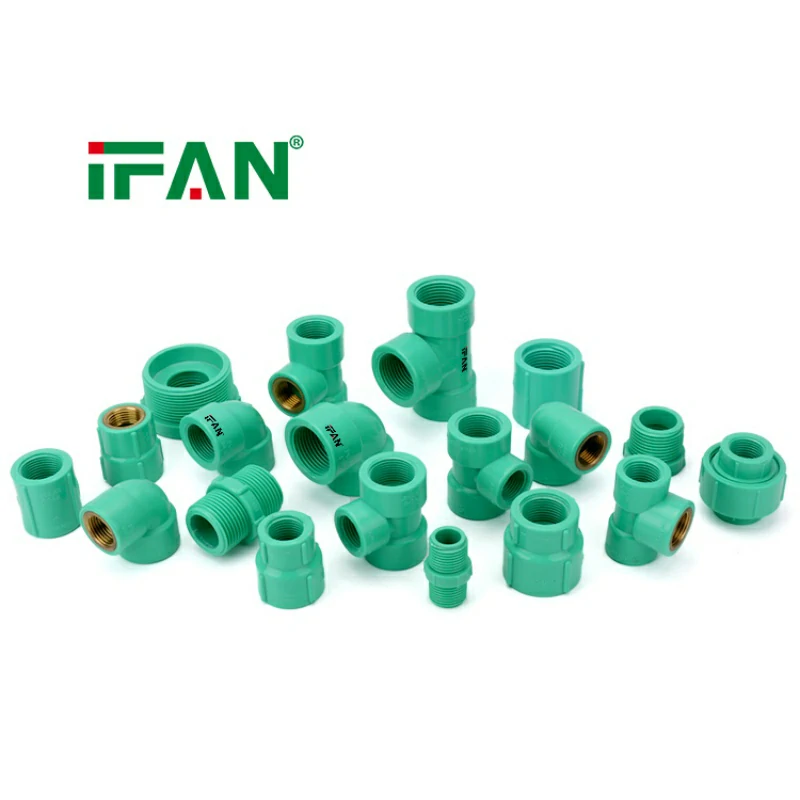
UPVC fittings are connection components. They join sections of UPVC pipe together. They come in many shapes and sizes. Common types include elbows, tees, and couplings. They are made from the same UPVC material. This ensures perfect compatibility and a strong joint.
Key Properties and Advantages
UPVC has several beneficial properties. It is highly resistant to corrosion. It does not rust or rot like metal. It is also very lightweight. This makes installation easier and faster. Its smooth interior promotes excellent flow. It prevents debris buildup and blockages.
Primary Use: Soil and Waste Discharge Systems
UPVC fittings are standard in sanitary plumbing. They connect toilets, sinks, and showers. They form the main soil stack in buildings. This stack vents and carries waste. They are hidden within walls and floors. They are essential for modern sanitation.
Application in Rainwater Management
These fittings are perfect for rainwater systems. They connect gutters and downpipes. They direct rainwater to drains or storage tanks. They resist weathering and UV light. Special UV-stabilized grades are used outdoors. They provide durable, leak-free rainwater conveyance.
Use in Sewer and Underground Drainage
Underground drainage relies heavily on UPVC. UPVC fittings connect sewer pipes. They create manhole connections and inspection points. Their corrosion resistance is vital in soil. They withstand ground chemicals and movement. They ensure long-term infrastructure reliability.
Agricultural and Land Drainage Applications
Farmers use these fittings extensively. They connect field drainage pipes. They remove excess water from soil. This improves crop growing conditions. They are also used in greenhouse irrigation. Their durability suits harsh agricultural environments.
Ventilation and Ducting Systems
UPVC is used for non-pressure air ducts. It handles fumes from laboratories. It is used in industrial ventilation systems. UPVC fittings create bends and branches in ductwork. Their chemical resistance is valuable here. They safely transport corrosive air.
Industrial Effluent and Chemical Waste
Factories produce liquid chemical waste. This must be safely transported. UPVC fittings handle many corrosive chemicals. They are used in chemical plants and labs. They connect to treatment or containment areas. They prevent hazardous leaks and protect the environment.
Electrical Conduit and Cable Protection
UPVC is common for electrical conduits. It protects wires from damage and moisture. Fittings connect conduit sections and boxes. They create a continuous protective pathway. This is standard in residential and commercial construction.
Comparison to Other Piping Materials
UPVC often replaces cast iron and clay. It is much lighter and easier to install. It is also generally less expensive. Its performance is equal or superior. This explains its widespread adoption globally.
Conclusion on Versatility and Utility
In summary, UPVC fittings are versatile components. They are used in homes, farms, and factories. They manage waste, rainwater, and chemicals. They protect electrical wires and vent fumes. Their durability, corrosion resistance, and ease of installation make them a fundamental part of modern infrastructure.