
Understanding PEX Compression Fittings
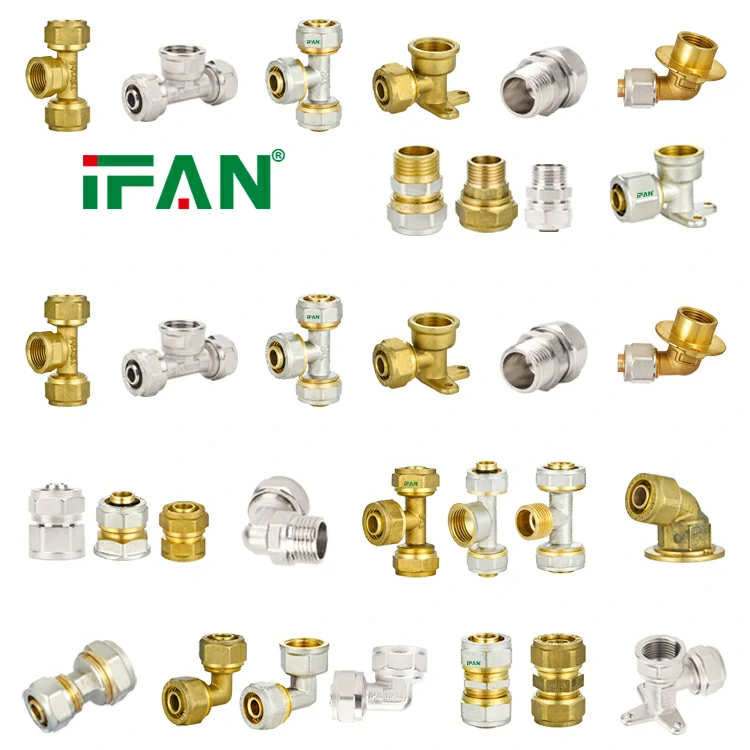
PEX compression fittings are mechanical connectors. They use a compression ring and nut. These components create a seal around the pipe. They are designed specifically for PEX tubing. Their dimensions match PEX’s exact outer diameter. This ensures a proper, leak-proof grip.
Compatibility with Standard PEX Tubing
These fittings work perfectly with PEX pipe. The pipe’s OD is consistent and precise. The compression ring compresses evenly. This creates a strong, reliable joint. It is a standard method for PEX connections. Many professionals use them for repairs.
The Challenge with Other Pipe Types
Other pipes have different dimensions. Copper tubing uses a different OD standard. CPVC and PVC have their own sizes. Steel pipe is measured by nominal ID. The PEX fitting simply will not fit. The grip ring cannot engage properly.
Attempting to Connect to Copper Pipe
Copper tubing sizes are different. For example, 1/2-inch PEX OD is about 5/8 inch. 1/2-inch copper OD is exactly 5/8 inch. Wait, they are actually the same? This is a special case. Some sizes do match coincidentally. But this is not reliable or certified.
The Rare Case of Dimensional Match
Some PEX and copper sizes share ODs. This is true for 1/2-inch and 3/4-inch sizes. However, using a PEX compression fitting on copper is not approved. The fitting is not tested for this. The seal may fail over time. Temperature expansion differs.
Compatibility with CPVC and PVC Pipes
CPVC and PVC have different ODs. They are not compatible with PEX fittings. The pipe will be either too loose or too tight. A loose fit cannot seal. A tight fit damages the pipe or fitting. Never attempt this connection.
Connection to Steel or Iron Pipe
Steel pipe uses NPT (National Pipe Thread). This is a tapered thread standard. PEX compression fittings have straight threads. They are designed for a compression nut. They cannot thread onto steel pipe. A threaded adapter is required for transition.
The Safe Solution: Transition Fittings
Use approved transition fittings instead. These have PEX connections on one end. The other end matches the other pipe type. For copper, use a PEX-to-copper adapter. For steel, use a threaded adapter. These are certified and reliable.
Risks of Using Incompatible Fittings
Forcing a connection is dangerous. It will likely leak immediately. If it holds temporarily, it may fail later. Sudden failure causes water damage. It also voids any warranties. Always use the correct fitting for each pipe type.
Manufacturer Specifications and Approvals
Always consult the manufacturer’s instructions. They list approved pipe types. PEX compression fittings are listed for PEX only. Some may be approved for certain copper. This is rare and clearly stated. Follow these guidelines strictly.
Professional Installation Practices
Licensed plumbers use proper transition methods. They never improvise with mismatched fittings. They carry a variety of adapters. This ensures code-compliant connections. It guarantees system reliability and safety.
Conclusion on Cross- Compatibility
In summary, PEX compression fittings are for PEX tubing. They should not be used with other pipes. Dimensional matches are coincidental and unsafe. Always use certified transition fittings. This ensures a leak-free, durable system. Proper material matching is essential for plumbing integrity.