
Understanding Material Selection for PEX Fittings
The materials used in fittings are critical. They determine strength, durability, and compatibility. PEX compression fittings are made from specific materials. Each material serves a distinct purpose. The combination ensures a reliable, leak-proof connection. Understanding these materials helps in proper selection.
The Primary Material: Brass
Brass is the most common material for these fittings. It is an alloy of copper and zinc. Brass offers excellent strength and corrosion resistance. It machines well for precise threads. It is compatible with PEX tubing. Quality brass fittings use dezincification-resistant (DZR) alloy.
Polysulfone (PSU) as a Plastic Alternative
Some manufacturers use high-performance plastics. Polysulfone (PSU) is a common choice. It is very strong and heat-resistant. It does not corrode like metal. PSU fittings are lightweight and cost-effective. They are often used in specific applications.
Stainless Steel for Enhanced Durability
Stainless steel is used in some premium fittings. It offers superior strength and corrosion resistance. It is ideal for harsh environments. However, it is more expensive. Stainless steel fittings are less common but available.
The Compression Ring Material
The compression ring is a key component. It is also called a ferrule or olive. For brass fittings, the ring is usually brass. For plastic fittings, the ring may be PSU. The ring material must match the fitting body. It compresses to grip the PEX tubing.
The Importance of O-Ring Material
Many PEX compression fittings include an O-ring. This provides the primary water seal. O-rings are made from elastomers. Common materials are EPDM and Nitrile (Buna-N). EPDM is excellent for hot and cold water. It resists chlorine and ozone well.
EPDM Rubber for Water Seals
EPDM is a synthetic rubber. It stands for Ethylene Propylene Diene Monomer. It has excellent heat and weather resistance. It remains flexible over a wide temperature range. It is the standard for potable water O-rings. It ensures a long-lasting, flexible seal.
Nitrile (Buna-N) for Oil Resistance
Nitrile rubber is another option. It has good oil and fuel resistance. It is less common in water systems. It may be used in specialized industrial applications. For standard plumbing, EPDM is preferred.
The Grip Ring or Teeth Material
Some designs include internal grip rings. These are often made of stainless steel. Stainless steel teeth bite into the PEX. They prevent the pipe from pulling out. They are strong and corrosion-resistant. They ensure a secure mechanical hold.
Finish and Plating Considerations
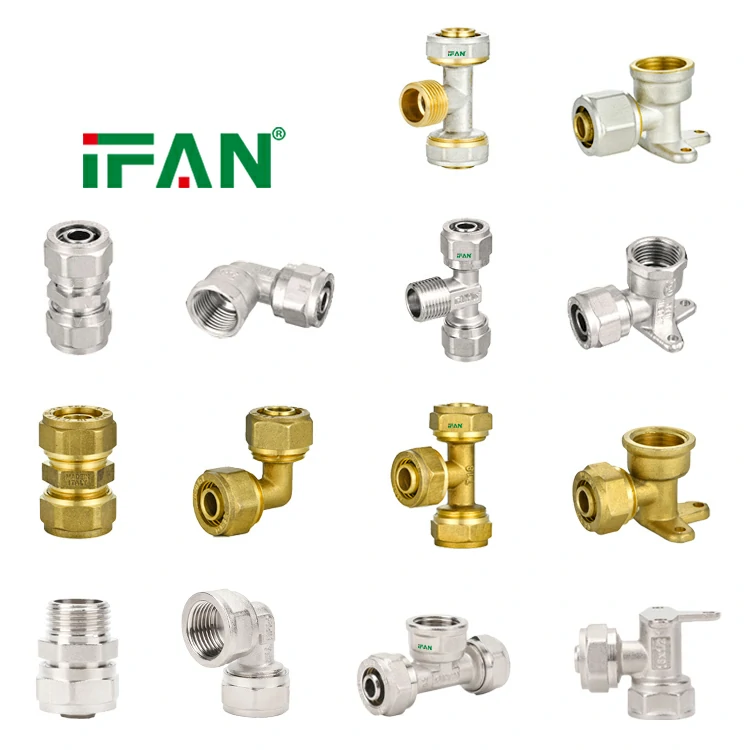
Brass fittings may have a plated finish. Chrome or nickel plating is common. This improves appearance and corrosion resistance. Plating does not affect function. It is mostly for aesthetic purposes. Unplated bare brass is also common.
Quality Indicators and Certification
Look for material certifications on the fitting. NSF/ANSI 61 certifies safety for potable water. The material should be marked on the product. Reputable brands clearly state their materials. Avoid fittings with unknown or generic materials.
Conclusion on Material Composition
PEX compression fittings are made from various materials. Brass is the traditional and most common choice. Polysulfone offers a lightweight plastic alternative. Stainless steel provides maximum durability. O-rings are typically EPDM rubber. Each material is chosen for its specific role. Understanding these materials ensures you select the right fitting for your application. It also guarantees safety and long-term reliability.