
The Critical Question of Gas Service
Gas line safety is absolutely paramount. Using the wrong fitting can have catastrophic consequences. Brass press fittings are popular in plumbing. However, their use in gas systems requires specific conditions. The answer is not a simple yes or no.
Dedicated Gas-Rated Fitting Systems
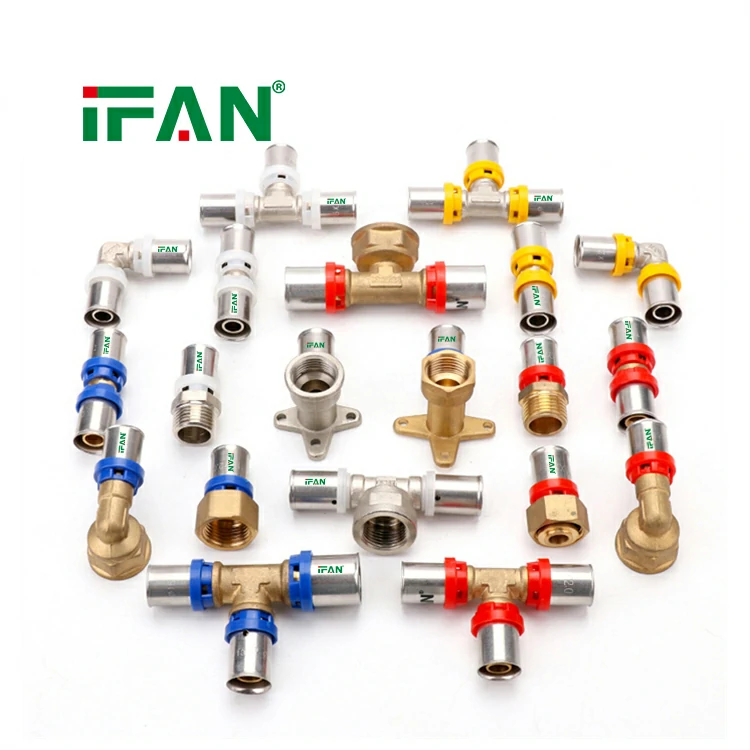
Manufacturers produce specific lines for gas. These are clearly marked with yellow identification. The fittings use special yellow HNBR O-rings. These seals are formulated for gas service. They resist permeation and degradation by hydrocarbons. Standard water fittings use different seals.
Material Composition for Gas Service
Gas-rated brass press fittings use special alloys. Dezincification-resistant (DZR) brass is essential. This prevents zinc leaching from the alloy. It ensures long-term structural integrity. The material must meet strict standards. Proper material selection prevents future failure.
Critical Visual Identification Features
Gas-rated fittings have distinctive markings. They incorporate a yellow mark on the outside. The sealing ring is also yellow for identification. The body is permanently stamped with gas rating information. These visual cues prevent dangerous mix-ups with water fittings.
Testing and Certification Standards
Gas fittings undergo rigorous testing. They must meet standards like DVGW in Europe. ANSI LC-4 is the relevant standard in the US. These certifications ensure gas-tight performance. Independent testing verifies every production batch. This guarantees consistent quality and safety.
Pressure and Temperature Parameters
Gas systems have specific operating parameters. Certified fittings typically handle up to 5 bar pressure. The temperature range is usually -20°C to 70°C. These ratings differ from water system ratings. Always verify the fitting matches your system’s requirements.
Code Compliance and Regulatory Approval
Building codes specifically address press fittings. The International Fuel Gas Code now permits them. They must comply with ANSI LC-4 standards. Local jurisdictions may have additional requirements. Always check with your local authority before installation.
Installation by Qualified Professionals
Gas work requires specialized training. Only skilled persons should install these systems. Proper insertion depth is critical for safety. The pressing tool must be correctly calibrated. A full press cycle is essential for a gas-tight joint.
Prohibited Connections and Applications
Standard brass press fittings for water are not allowed. They lack the proper seals and certifications. Never substitute a water fitting for gas service. The consequences of failure are too severe. Use only fittings explicitly marked for gas.
Pressure Testing After Installation
After installation, pressure testing is mandatory. Tests must follow country-specific regulations. This verifies every joint is leak-free. Documentation of the test results is important. It provides proof of proper installation for future reference.
Long-Term Reliability Considerations
Gas-rated brass press fittings offer excellent longevity. The DZR brass resists corrosion. The HNBR seals maintain their integrity for decades. Proper installation ensures a permanent, maintenance-free connection. They are trusted in thousands of installations worldwide.
The Clear Safety Verdict
Yes, brass press fittings can be used for gas lines. However, they must be specifically certified for gas service. They must have yellow markings and seals. They must be installed by qualified professionals. Following these requirements ensures a safe, code-compliant gas system. Using uncertified fittings is dangerous and illegal.