
Understanding Potable Water Requirements
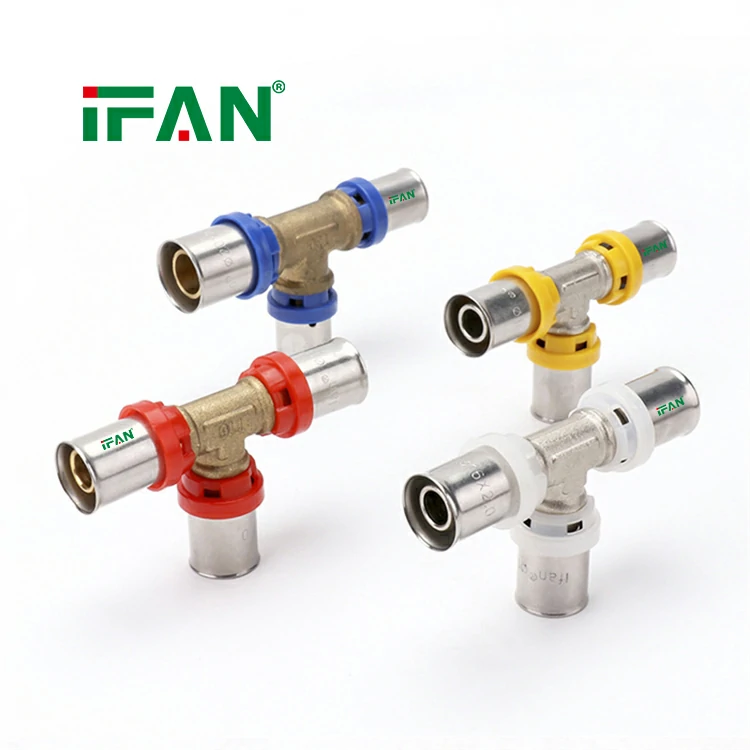
Potable water systems require safe materials. Water contacts all internal surfaces daily. Materials must not leach harmful substances. They must resist corrosion and bacterial growth. Brass press fittings must meet strict health standards. Certification is mandatory for drinking water use.
Material Composition for Drinking Water
Modern brass press fittings use special alloys. Dezincification-resistant (DZR) brass is essential. This prevents zinc from leaching into water. It also contains minimal lead content. Lead-free brass has less than 0.25% lead. This meets all current safety regulations.
NSF/ANSI 61 Certification
This is the key health effects standard. It tests for contaminant leaching into water. Certified fittings are rigorously evaluated. They must not leach metals above safe limits. Look for the NSF 61 mark on the product. This ensures safety for drinking water.
The Role of O-Ring Materials
These fittings contain EPDM sealing rings. EPDM is a synthetic rubber. It is approved for potable water contact. It does not impart taste or odor. It resists chlorine and common water treatments. The material is durable and long-lasting.
Comparison to Traditional Copper Plumbing
Copper has been used for centuries. It is safe and reliable. Brass press fittings offer a modern alternative. They eliminate the need for soldering. They provide the same safety with faster installation. Both materials are equally suitable for drinking water.
Preventing Internal Corrosion Issues
DZR brass prevents dezincification. This was a problem with older brass alloys. Porous, weakened fittings are no longer an issue. The smooth internal surface resists scaling. This maintains water quality and flow. Modern alloys solve historical corrosion problems.
Temperature and Pressure Ratings
These fittings handle typical home water conditions. They are rated for continuous hot water use. Standard ratings go up to 200°F (93°C). Pressure ratings exceed normal household pressures. This provides a large safety margin. They are engineered for residential systems.
Installation Considerations for Potable Systems
Proper installation maintains water quality. Use only clean, deburred pipe. Ensure the O-ring is not damaged during insertion. The pressing tool must be correctly calibrated. A full press cycle ensures a perfect seal. Good installation prevents future problems.
Bacterial Growth and Biofilm Resistance
Smooth internal surfaces resist bacterial adhesion. Unlike some plastics, brass is naturally antimicrobial. Copper alloys inhibit bacterial growth. This is an advantage for drinking water systems. It contributes to maintaining water hygiene.
Widespread Industry Acceptance
Major plumbing codes approve these fittings. The IPC and UPC recognize them. Health departments accept NSF-certified products. Millions of installations exist worldwide. They are trusted by plumbers and engineers. This widespread use confirms their suitability.
Long-Term Performance and Reliability
Properly installed fittings last for decades. They do not corrode or degrade. The mechanical joint remains secure. Seals maintain their elasticity over time. They provide permanent, maintenance-free connections. This ensures lifelong drinking water safety.
Conclusion on Suitability
Yes, brass press fittings are suitable for potable water. They must be certified to NSF/ANSI 61. They must use DZR, lead-free brass. The EPDM seals must be approved for drinking water. When correctly selected and installed, they provide safe, reliable service. They are a modern, efficient choice for residential and commercial potable water systems.