
Understanding the Underground Environment
Underground installations face unique challenges. Soil chemistry varies widely across locations. Moisture is constantly present. Ground movement occurs with freeze-thaw cycles. Buried components must withstand all these factors. They must remain leak-free for decades. Material selection is critical.
Basic Design of PEX Compression Fittings
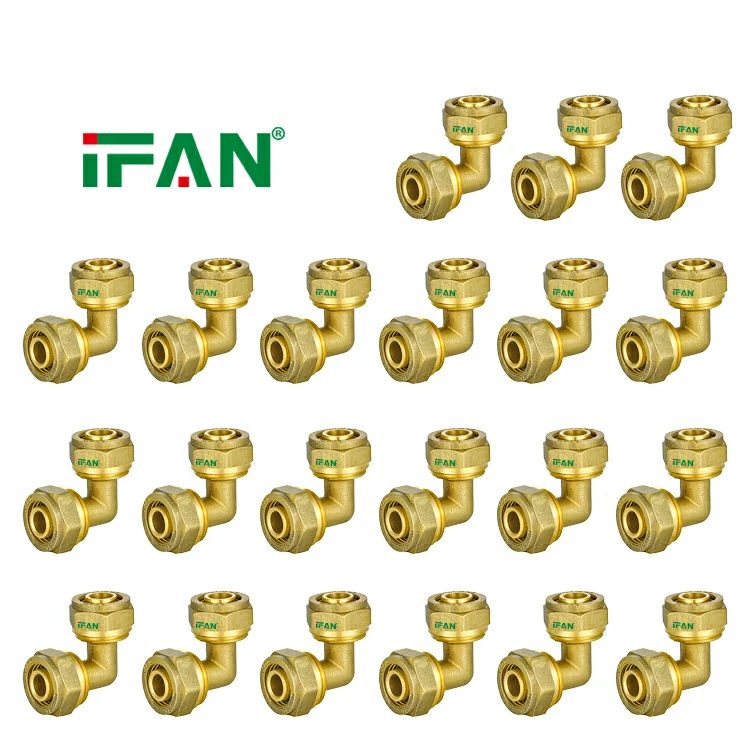
These fittings use a mechanical compression seal. A nut tightens a ring onto the pipe. The ring compresses the PEX against the fitting body. This creates a watertight connection. The design is simple and effective. It requires no heat or special tools.
Material Considerations for Burial
PEX compression fittings are typically brass. Brass offers good corrosion resistance. However, not all brass is equal underground. Dezincification-resistant (DZR) brass is essential. This prevents selective zinc leaching in soil. Standard brass may corrode over time.
Corrosion Risks in Different Soil Types
Clay soils retain moisture and chemicals. Sandy soils are more well-draining. Acidic soils aggressively attack metals. Alkaline soils can also be problematic. The fitting must resist these varied conditions. DZR brass provides the needed protection.
The Vulnerability of Threaded Connections
Compression fittings have exposed threads. Threads are stress points and crevices. They can trap moisture and initiate corrosion. Underground, this risk is magnified. Protective coatings or wrapping may help. Some manufacturers offer special underground versions.
Movement and Stress Factors
Soil settles and shifts over time. Freezing ground expands and contracts. This movement stresses buried connections. PEX compression fittings are rigid points. They do not flex with pipe movement. This can lead to loosening or leaks over decades.
The Oxygen Barrier Consideration
PEX pipe is often used underground. Some PEX has an oxygen barrier layer. Compression fittings penetrate this layer. This can affect system integrity for heating. For potable water, it is less critical. Consider the entire system’s requirements.
Manufacturer Specifications and Approvals
Always check the manufacturer’s literature. Some PEX compression fittings are rated for burial. Others explicitly prohibit underground use. Look for specific statements and certifications. Following manufacturer guidelines is essential for warranty.
Alternative Methods for Underground Use
Several options exist for burial. Butt fusion creates a monolithic joint. Electrofusion is also very reliable. Stainless steel compression fittings are available. Direct burial rated fittings exist. Choose based on soil conditions and codes.
Code Compliance and Inspector Requirements
Local plumbing codes vary significantly. Some allow compression fittings underground. Others restrict them to accessible locations. Inspectors may have personal preferences. Always verify requirements before installation. Failure can mean digging up the line.
Long-Term Performance Evidence
There is limited long-term data. Compression fittings are relatively new. Fusion methods have longer track records. Some installations have performed well. Others have experienced failures. The evidence is mixed and context-dependent.
Best Practices for Maximum Safety
If using underground, take precautions. Use DZR brass fittings only. Wrap fittings with corrosion-protection tape. Bed them in clean, compacted sand. Avoid rocky or aggressive soils. Ensure proper pipe support and bedding. Document the installation for future reference.
Conclusion on Suitability
PEX compression fittings can be used underground. However, this requires careful consideration. Use only DZR brass, rated fittings. Protect them from corrosive soil. Ensure proper installation techniques. For critical or high-risk applications, consider fusion methods. The final decision depends on soil conditions, local codes, and the specific fitting’s certification. Always prioritize long-term reliability over installation convenience.