
Understanding Brass Material Limitations
Brass is a copper-zinc alloy. It offers good corrosion resistance and machinability. However, its high-temperature performance is limited. The material softens at elevated temperatures. This affects its structural integrity and sealing ability. Understanding these limits is essential for safe application.
Temperature Ratings for Brass Valves
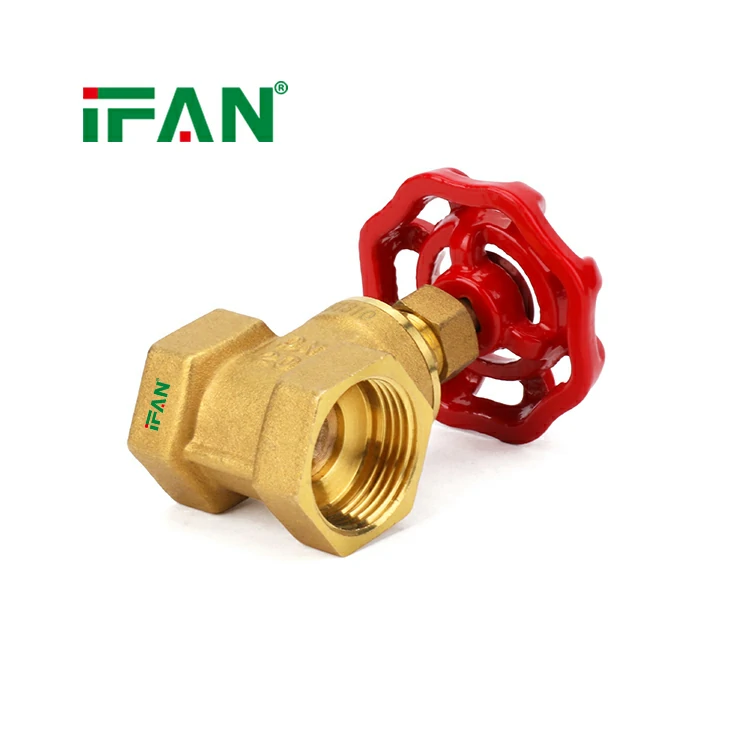
Standard brass gate valves have specific temperature ratings. Typical maximum is around 250°F (121°C). This covers residential hot water systems. Steam, however, operates at or above 212°F (100°C). Superheated steam can reach much higher temperatures. This exceeds the safe operating range.
The Dezincification Risk with Hot Water
Dezincification is a form of corrosion. It occurs in brasses with high zinc content. Zinc leaches out in hot water. This leaves a porous, weakened copper structure. Brass gate valves can suffer from this over time. Hot water accelerates the process significantly.
Impact on Internal Seals and Packing
Valves contain non-metallic seals. These include stem packing and seat washers. High temperatures degrade these materials rapidly. They become hard, brittle, and lose flexibility. This causes leaks around the stem. It also prevents the gate from sealing fully.
Suitability for Residential Hot Water
For typical home hot water, brass is acceptable. Water heaters operate at 120-140°F (49-60°C). Brass gate valves function well within this range. They are commonly used on water heater connections. They also serve as shut-offs for fixtures. This is a safe and standard application.
Steam Applications: A Different Challenge
Steam presents extreme conditions. Temperatures exceed 212°F (100°C). Pressure can also be high and fluctuating. Steam causes thermal cycling and water hammer. Brass gate valves are not designed for these demands. The material softens and seals fail quickly.
Comparative Performance of Other Materials
Cast iron is a traditional choice for steam. It handles high temperatures well. Forged steel is even stronger and more durable. Bronze offers better heat resistance than brass. These materials maintain integrity under steam conditions. They use seals rated for high temperatures.
Dezincification-Resistant (DZR) Brass
DZR brass is an improved alloy. It contains small amounts of arsenic or antimony. This prevents selective zinc leaching. It is better for hot water applications. However, it still does not withstand steam temperatures. The material’s heat limit remains unchanged.
Building Code Requirements and Standards
Plumbing codes address material suitability. The International Plumbing Code (IPC) is clear. Brass valves are not approved for steam service. Installations must use materials rated for the application. Inspectors will verify proper selection. Non-compliance can lead to failure and liability.
Real-World Examples of Failure
Using brass on a steam boiler is a common mistake. The valve may fail within months. Cracking or leaking at the body is typical. The stem may seize due to seal degradation. These failures cause system downtime and safety hazards. Professional plumbers avoid this practice.
Selecting the Correct Valve for the Job
First, identify the fluid and temperature. For hot water below 200°F, brass is fine. For steam at any temperature, choose another material. Cast iron or steel valves are appropriate. Always check the manufacturer’s specifications. The rating should exceed your system’s maximum.
Conclusion on Suitability
Brass gate valves are not suitable for steam applications. They have temperature limits that steam exceeds. Dezincification is also a risk with hot water. For residential hot water systems, they work well. For steam, select valves made from cast iron, steel, or bronze. Proper material selection ensures safety, reliability, and long service life.