
Understanding PVC Material Properties
PVC is polyvinyl chloride, a synthetic polymer. It is inherently resistant to many substances. The material does not rust or oxidize. Its chemical structure provides stability. This makes it a popular choice for corrosive environments. Understanding its limits is essential.
General Corrosion Resistance
PVC ball valves are immune to electrochemical corrosion. They do not rust like ferrous metals. They resist attack from most inorganic acids. Alkaline solutions also have little effect. Salts and brines cause no damage. This is a major advantage over metal valves.
Resistance to Strong Acids
PVC handles many strong acids effectively. Sulfuric acid up to moderate concentrations is safe. Hydrochloric acid is also well-tolerated. Nitric acid requires careful concentration limits. Hydrofluoric acid attacks PVC. Always check compatibility charts.
Resistance to Alkalis and Bases
Sodium hydroxide (caustic soda) is safe. Potassium hydroxide also has no effect. Most alkaline solutions are compatible. The material does not degrade in basic environments. This makes PVC ideal for wastewater treatment. It handles pH extremes well.
Resistance to Salts and Brines
Sodium chloride (table salt) is harmless. Calcium chloride causes no issues. Seawater and brackish water are safe. PVC ball valves are used in marine applications. They do not suffer from salt corrosion. This is a key advantage over metals.
Resistance to Organic Solvents
This is where PVC has limitations. Aromatic hydrocarbons like benzene attack PVC. Chlorinated solvents cause swelling and softening. Ketones such as acetone are destructive. Esters and ethers also cause damage. Avoid these substances with PVC.
Resistance to Oils and Fuels
PVC is not suitable for hydrocarbon service. Petroleum oils cause swelling. Gasoline and diesel degrade the material. Mineral oils are generally not recommended. For fuel lines, use metal or specialty plastics. PVC is the wrong choice here.
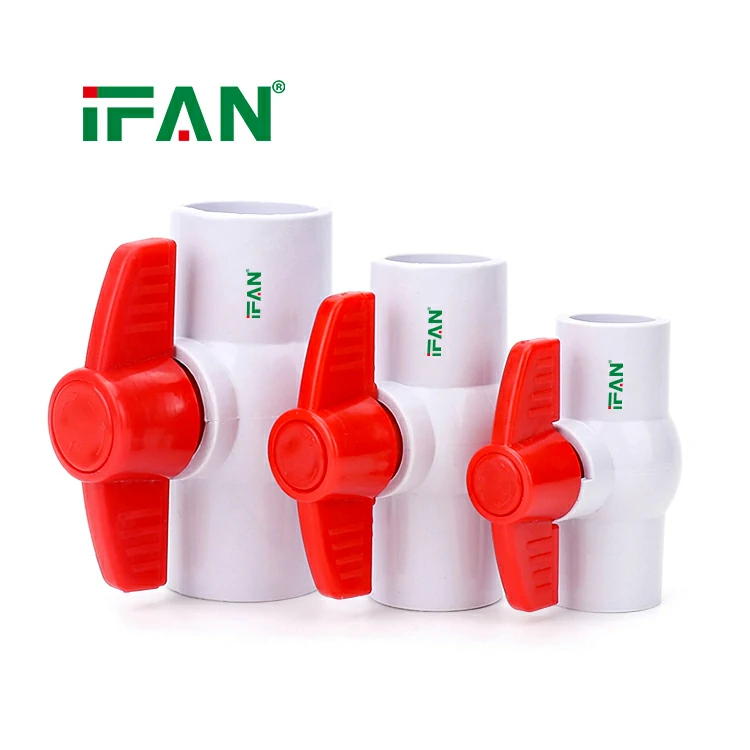
Effect of Temperature on Chemical Resistance
Chemical resistance decreases with temperature. A chemical safe at 70°F may attack PVC at 120°F. Always consult temperature-chemical charts. De-rating is necessary for hot applications. PVC ball valves are best for ambient or cool temperatures.
Resistance to Oxidizing Agents
Strong oxidizers can attack PVC. Chlorine gas in high concentrations is a concern. Hydrogen peroxide above certain concentrations causes degradation. Bleach solutions are generally safe at low concentrations. Check specific limits with manufacturers.
Resistance to Biological Attack
PVC is resistant to bacteria and fungi. Microbes do not consume or degrade it. This makes it ideal for potable water. It is also used in food processing. The smooth surface resists biofilm formation.
Resistance to Weathering and UV
Standard PVC degrades in sunlight. UV radiation causes surface chalking and brittleness. UV-stabilized grades are available. These contain additives for outdoor use. For exposed applications, choose stabilized PVC ball valves or protect them from direct sunlight.
Long-Term Performance in Corrosive Environments
When used within limits, PVC lasts decades. It does not thin from corrosion. It does not pit or crack from chemical attack. The sealing surfaces remain smooth. This ensures continued reliable operation.
Conclusion on Chemical and Corrosion Resistance
PVC ball valves offer excellent resistance to many chemicals. They excel with acids, bases, salts, and water. They are immune to rust and electrochemical corrosion. However, they are not suitable for organic solvents, fuels, and strong oxidizers. Temperature also affects performance. When selected correctly for the application, they provide long-lasting, reliable service in demanding environments.