
Understanding the Material
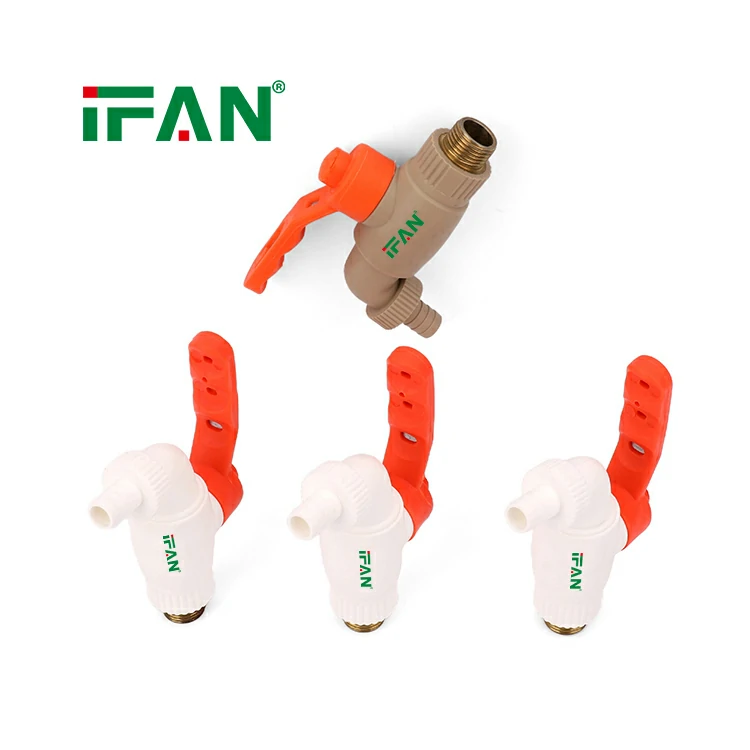
A PPR bibcock is made from polypropylene. This is a thermoplastic polymer. It contains no metal components. Its chemical structure is very stable. It does not react with water or oxygen. Corrosion is an electrochemical process. PPR lacks the metals needed for this process.
Complete Immunity to Rust
Rust is specific to iron and steel. PPR bibcocks contain no iron. They cannot form iron oxide. The material will never turn brown or flake. There is no sacrificial coating to wear off. This immunity is permanent and inherent.
No Galvanic or Electrolytic Corrosion
Galvanic corrosion requires two different metals. Electrolytic corrosion requires electrical current. PPR bibcocks are electrical insulators. They do not conduct current. They contain no metals to create a galvanic pair. This failure mode is completely eliminated.
Resistance to Chemical Attack
PPR resists a wide range of chemicals. It handles acids, bases, and salt solutions. It withstands chlorine and other disinfectants. PPR bibcocks are safe for pool water. They resist fertilizers and many industrial chemicals. This broad resistance is a major advantage.
Dezincification is Not a Concern
Dezincification affects certain brass alloys. Zinc leaches out of the metal. PPR bibcocks contain no zinc at all. There is nothing to leach out. This common plastic failure mode does not exist. The material composition prevents it entirely.
Resistance to Soft and Aggressive Water
Some water is naturally soft and acidic. This water attacks metal pipes and fittings. PPR bibcocks are unaffected by pH extremes. They perform equally well in all water types. There is no need for water treatment to protect them.
Resistance to Mineral Scale Buildup
Corrosion is not the only surface issue. Scale deposits from hard water also cause problems. PPR bibcocks have a very smooth surface. Minerals have less grip on plastic than metal. Scale buildup is slower and less adherent. This is an indirect corrosion-related benefit.
Outdoor Environmental Resistance
Outdoor bibcocks face rain and humidity. Metal versions can rust externally. PPR bibcocks are fully waterproof. They absorb no moisture. They do not degrade from wet-dry cycles. UV radiation, not moisture, is the outdoor concern.
Comparison to Metal Bibcocks
Brass bibcocks can suffer dezincification. Steel bibcocks will rust eventually. Both require protective coatings or alloys. PPR bibcocks need no corrosion protection. Their resistance is inherent, not applied. They outlast metal in many corrosive water conditions.
Limitations: UV and Temperature
The corrosion resistance is excellent. However, other factors limit PPR bibcocks. UV radiation degrades the surface over time. High temperatures above 80°C cause softening. These are not corrosion issues. They are separate material limitations.
Testing and Certification Evidence
Manufacturers test for chemical resistance. Standards like ISO 15874 apply. PPR bibcocks pass accelerated aging tests. They are certified for potable water. These certifications confirm their corrosion resistance. Independent testing validates the material claims.
Conclusion on Corrosion Resistance
PPR bibcocks are exceptionally corrosion-resistant. They are immune to rust and dezincification. They resist most chemicals and all types of water. Their non-metallic composition is the key. For applications where corrosion is a primary concern, they are superior to metal bibcocks, provided UV and temperature limits are respected.