
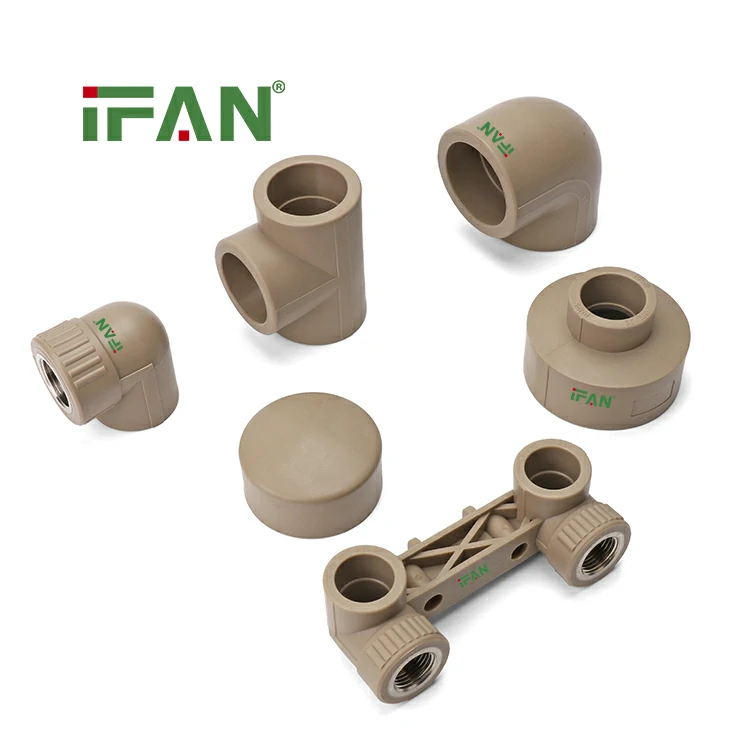
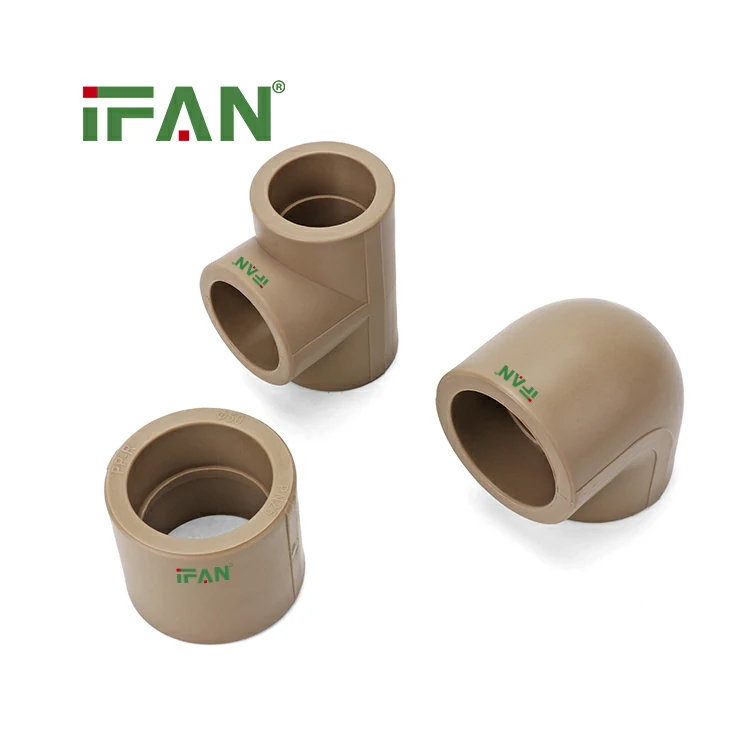
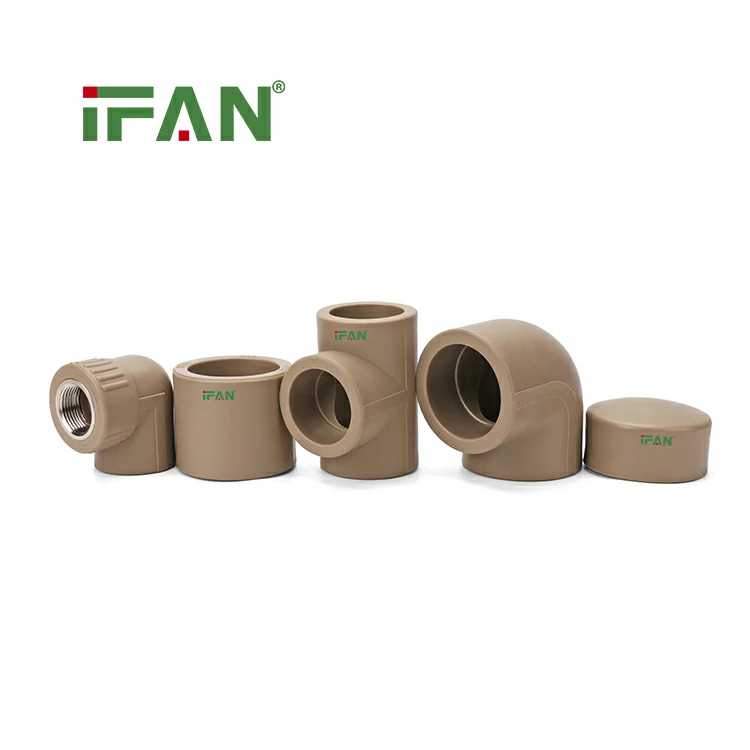
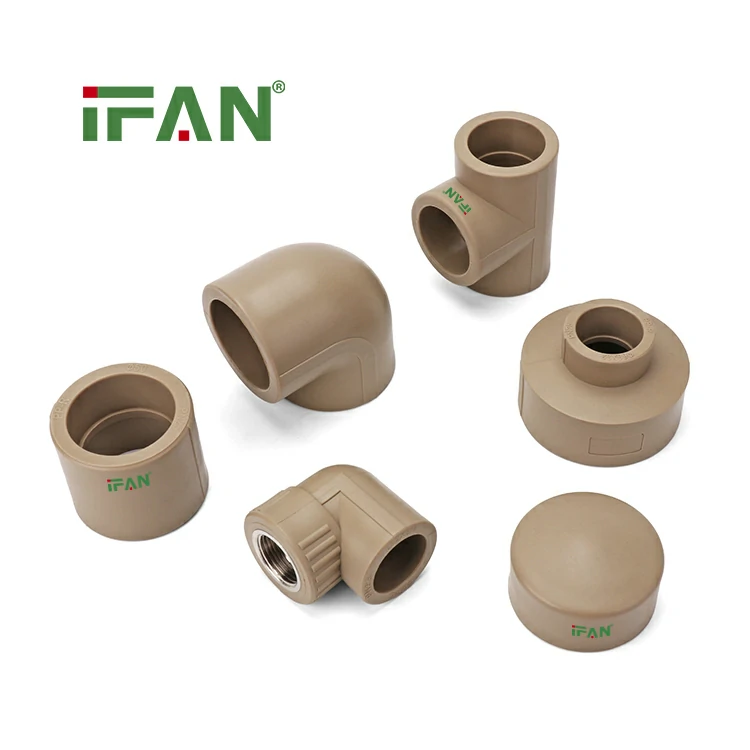
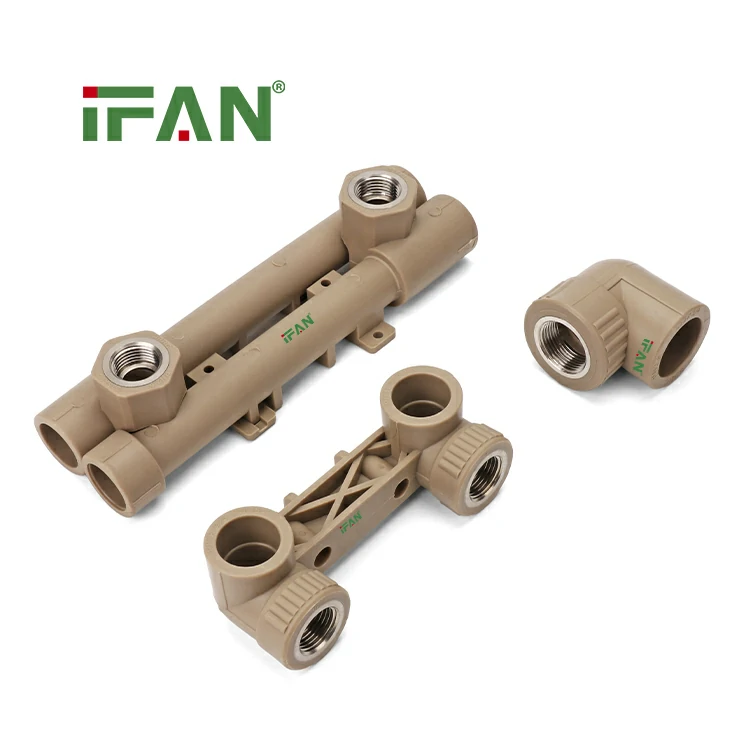
IFAN Factory Sells PPR Pipe Fittings
Category : Click Download
Whatsapp : +86 19884503412
Wechat : 19884503412
Description
Understanding UV Degradation
UV radiation from sunlight damages many polymers. PPR is no exception to this rule. The high-energy rays break polymer chains. This process is called photo-oxidation. It causes the material to become brittle. Understanding this mechanism is the first step.
The Science Behind the Damage
UV light causes chain scission in PPR. This weakens the molecular structure. The surface becomes chalky and cracks. Impact strength can drop significantly. One study cites a 40% reduction after one year. This damage is cumulative and irreversible.
Standard PPR is Not UV Resistant
Regular green or white PPR pipe fittings lack UV protection. They are designed for indoor use only. Prolonged sunlight will degrade them quickly. Manufacturers clearly state this limitation. Such fittings should never be used outdoors. Their service life would be drastically shortened.
The Black Fitting Solution
Black PPR pipe fittings are different. The black color comes from carbon black. This additive is a powerful UV stabilizer. It absorbs harmful UV radiation effectively. Black fittings are specifically formulated for outdoor use. They resist UV degradation much better.
How UV Stabilizers Work
Stabilizers protect the polymer in several ways. Carbon black blocks UV light from penetrating. Hindered amine light stabilizers (HALS) scavenge free radicals. These additives prevent chain scission. They preserve the material’s mechanical properties. The result is a much longer outdoor service life.
UV-Resistant Product Lines
Many manufacturers offer UV-stabilized PPR. These products are often marked clearly. “Black UV Stabilizer” indicates outdoor suitability. Some brands use a co-extruded outer layer. This sacrificial layer protects the core material. Always look for explicit UV ratings.
Physical Protection Alternatives
If UV-stabilized fittings are unavailable, use physical barriers. Insulation sleeves shield the pipe from sunlight. Protective conduits are another effective solution. Painting the pipes with UV-blocking paint works. Burying the pipes is the best protection of all. These methods block UV light completely.
Effect on Mechanical Properties
UV degradation affects key performance parameters. Tensile strength steadily decreases with exposure. Hydrostatic pressure resistance also declines. The material loses its impact resistance. This can lead to sudden, unpredictable failure. The pipe becomes unsafe for pressure applications.
Quantifying UV Exposure Damage
Testing provides specific performance data. One study found tensile strength loss of 0.8% per 1000 kJ/m² UV dose. The yellowing index exceeds 15 after 2000 hours of testing. Cracks become visible under minimal strain. These changes indicate serious material degradation.
Testing Standards for UV Resistance
Manufacturers use accelerated weathering tests. ISO 4892-2 is a common standard. This uses QUV chambers with UV lamps. One hour in the chamber equals about 15 days of Florida sunlight. Passing these tests validates outdoor claims.
Installation and Inspection
Even UV-stabilized pipes need some care. Avoid unnecessary exposure before installation. Inspect outdoor pipes annually for surface crazing. Look for discoloration or chalkiness. Replace any fittings showing degradation signs. Prevention and early detection are key.
Conclusion on Outdoor Suitability
Standard PPR pipe fittings are not UV resistant. They degrade quickly in direct sunlight. However, UV-stabilized black fittings work well outdoors. They contain carbon black or other stabilizers. Physical protection like insulation or burial is also effective. For long-term outdoor exposure, always choose UV-stabilized PPR products or provide adequate shielding from the sun.
相关产品
 Gray PPR Pipe Fittings
Gray PPR Male Tee
- Gray PPR Pipe Fittings
Gray PPR filter
- Gray PPR Pipe Fittings
Gray PPR Pipe Clip
- Gray PPR Pipe Fittings
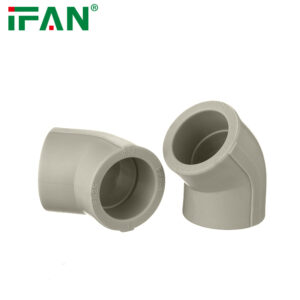
Gray PPR 45°Elbow


HAVE ANY QUERIES? SEND TO CONTACTOANTSMACHINE.COM
ONTACT US