
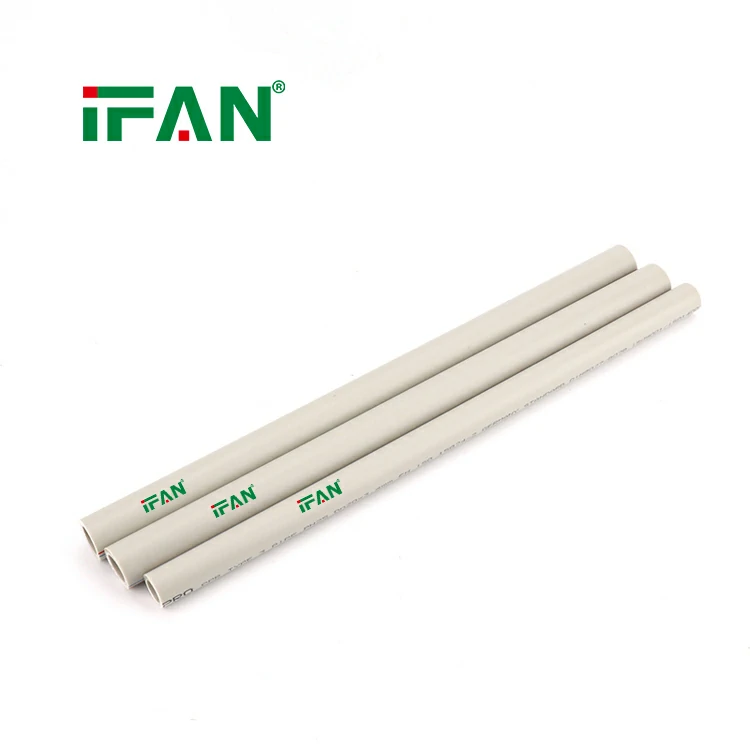
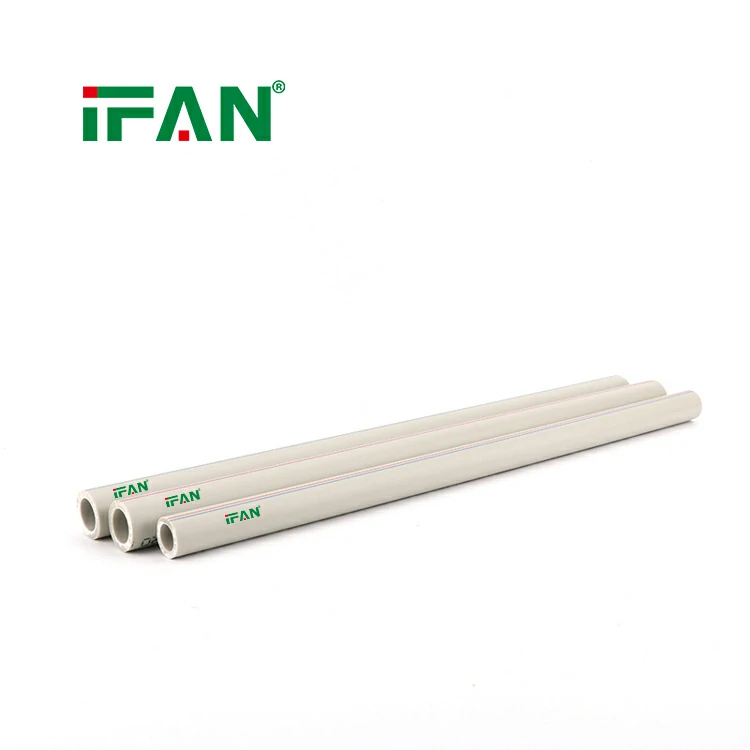
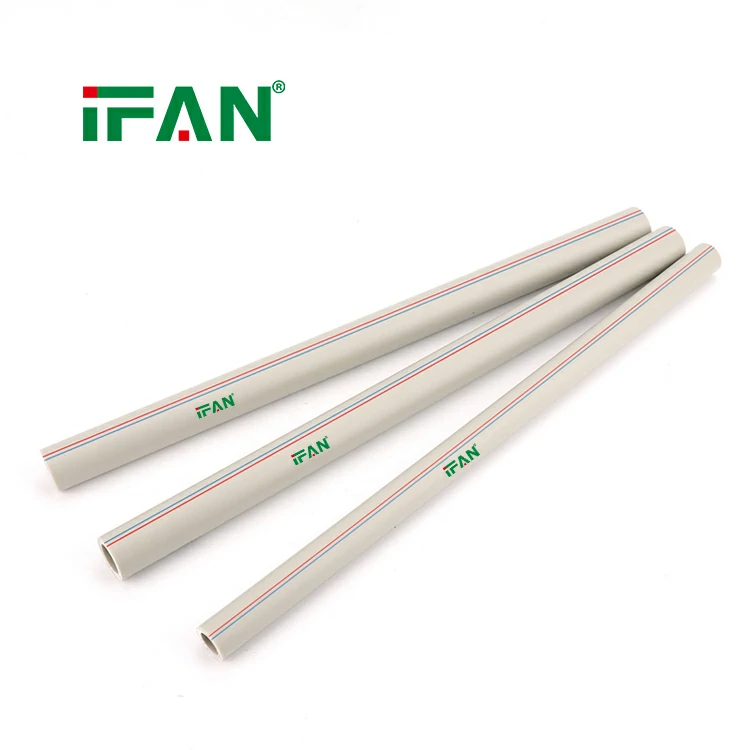
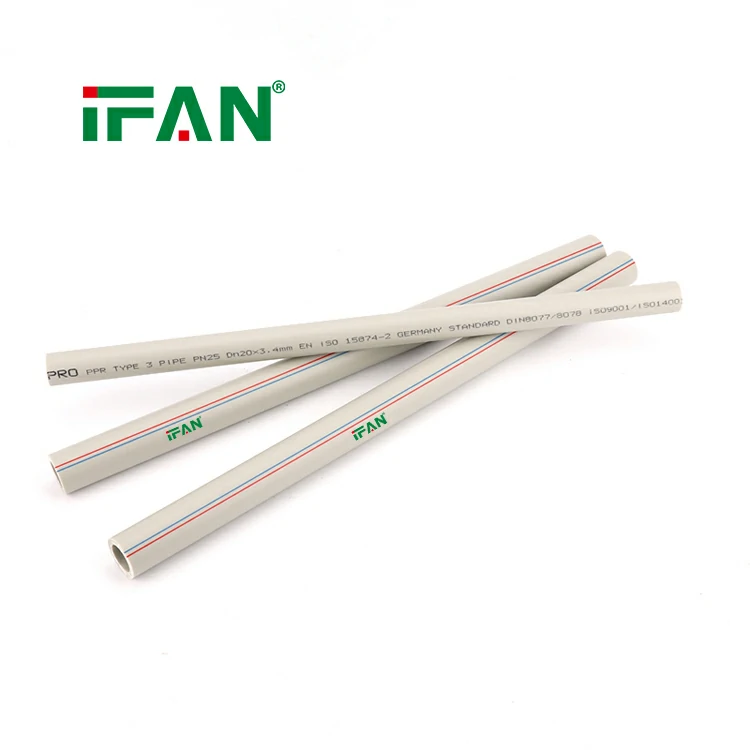
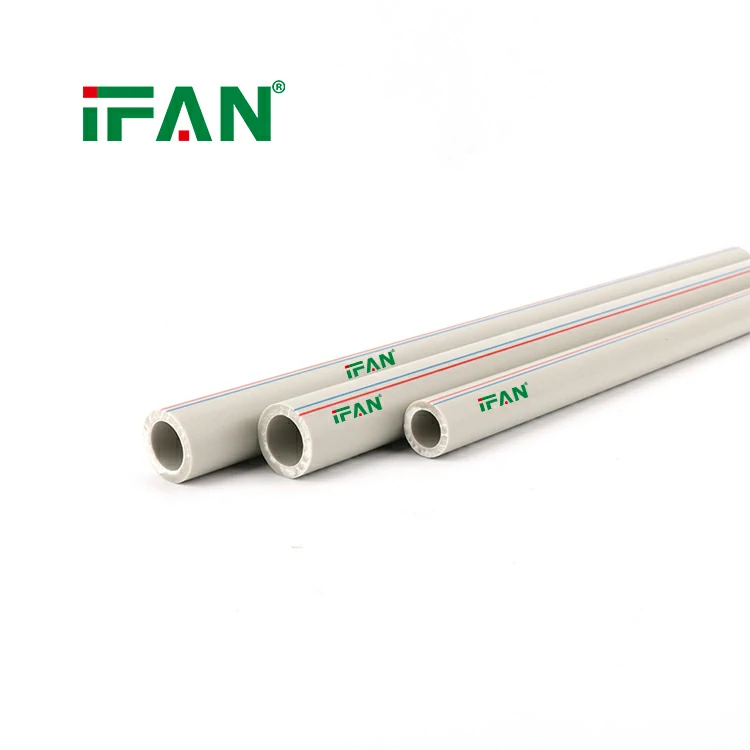
IFAN Hot Selling PPR Plumbing Pipes
Category : Click Download
Whatsapp : +86 19884503412
Wechat : 19884503412
Description
Defining PPR Material
PPR stands for Polypropylene Random Copolymer. It is a type of thermoplastic polymer. The “Random” refers to the molecular structure. This structure gives the material unique properties. It is strong, durable, and heat-resistant. It is used widely in modern plumbing.
How PPR Is Manufactured
The production process is highly controlled. Polypropylene granules are fed into an extruder. The material is melted at high temperatures. It is then forced through a die. This creates a continuous pipe. The pipe is cooled and cut to length.
Key Properties of PPR
PPR plumbing pipes have several important characteristics. They are lightweight yet strong. They have a very smooth internal surface. This prevents scale buildup and friction loss. The material is also a thermal insulator. It keeps hot water hot and cold water cold.
Corrosion and Chemical Resistance
PPR is completely immune to rust. It does not react with water or most chemicals. It resists acids, bases, and salt solutions. PPR plumbing pipes are safe for aggressive water types. This is a major advantage over metal pipes.
Temperature Tolerance
PPR handles both hot and cold water well. The maximum continuous operating temperature is 70°C (158°F). Short-term peaks up to 95°C (203°F) are acceptable. It also performs well in cold conditions. However, it becomes brittle at freezing temperatures.
Pressure Ratings and Standards
PPR plumbing pipes come in different pressure classes. Common ratings are PN10, PN16, PN20, and PN25. PN20 is standard for residential hot water. PN25 is for higher pressure systems. The rating decreases as temperature increases.
Fusion Welding Connection Method
PPR pipes are joined using heat fusion. A special tool heats the pipe and fitting simultaneously. They are then pressed together. The materials melt and fuse into one piece. This creates a permanent, leak-proof joint. No glue or sealant is needed.
Typical Residential Applications
PPR plumbing pipes are used throughout homes. They supply hot and cold water to fixtures. They are installed inside walls and under floors. They connect water heaters and boilers. Many modern homes use PPR for their entire plumbing system.
Commercial and Industrial Uses
Large buildings also use PPR systems. Hotels, schools, and offices install PPR pipes. They are used for compressed air lines in factories. Chemical plants use them for process water. Their corrosion resistance is highly valued in industry.
Advantages Over Metal Pipes
PPR pipes do not rust or corrode. They do not need soldering or threading. Installation is faster and cleaner. There is no flame or heavy equipment. PPR plumbing pipes are also less expensive than copper. They offer excellent long-term value.
Comparison to Other Plastics
PVC is cheaper but cannot handle hot water. CPVC handles hot water but is more brittle. PEX is flexible but requires special fittings. PPR plumbing pipes offer a balance of properties. They are rigid, heat-resistant, and chemically durable.
Conclusion on PPR Plumbing Pipes
PPR plumbing pipes are a modern piping solution. They are strong, durable, and corrosion-proof. They handle both hot and cold water effectively. Fusion welding creates permanent, leak-proof joints. They are used in homes, offices, and factories worldwide. For reliable, long-lasting plumbing, PPR is an excellent choice.
相关产品
 Plastic PPR Pipe
IFAN Plastic PPR Pipes
- Plastic PPR Pipe
IFAN PPR Water Pipes
- Plastic PPR Pipe
IFAN GB/T 18742 Green PPR Pipes
- Plastic PPR Pipe
Gray PPR Plastic Pipe



HAVE ANY QUERIES? SEND TO CONTACTOANTSMACHINE.COM
ONTACT US