
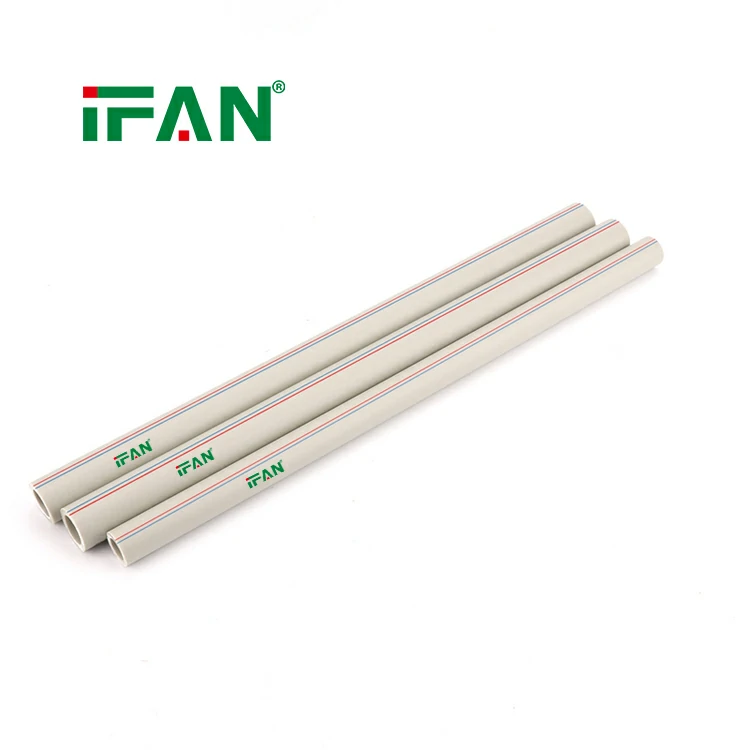
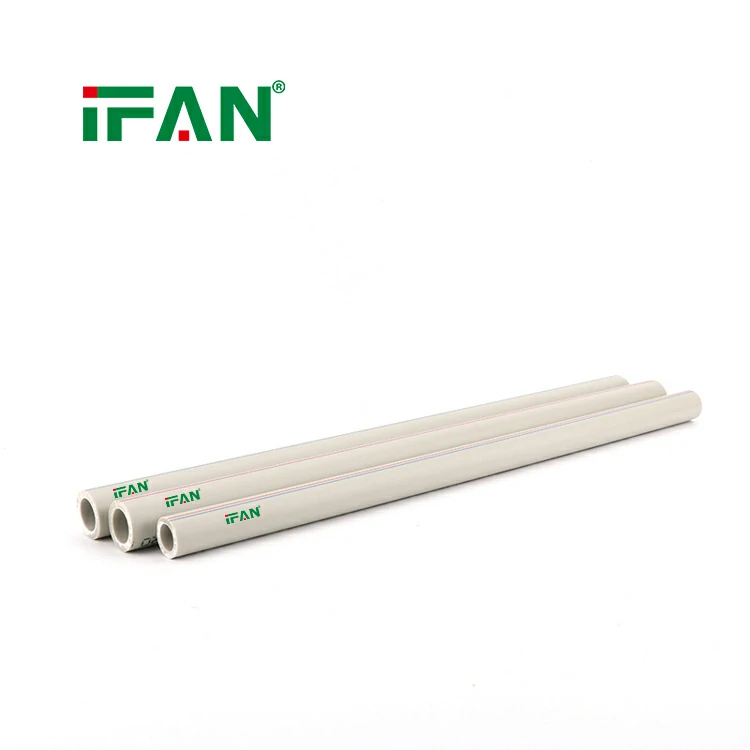
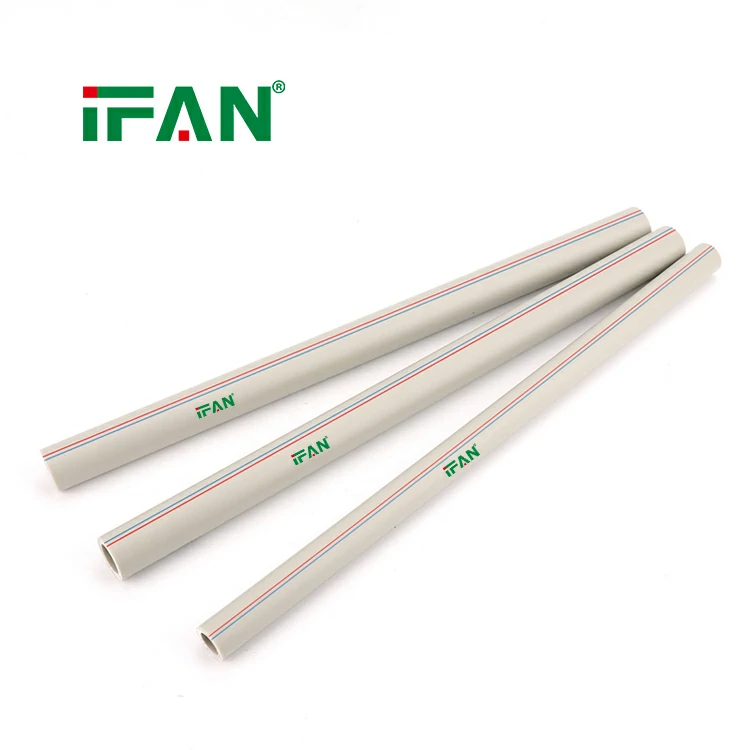
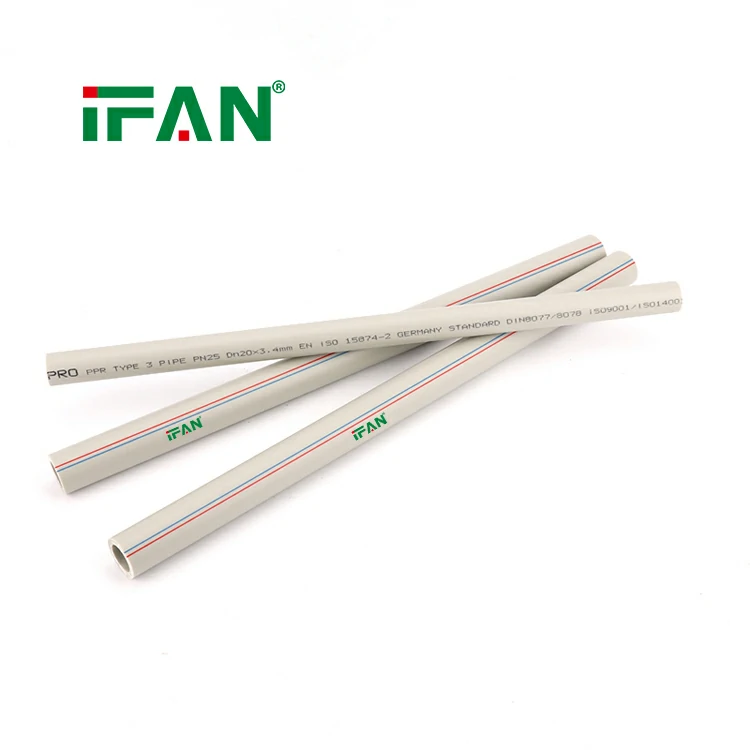
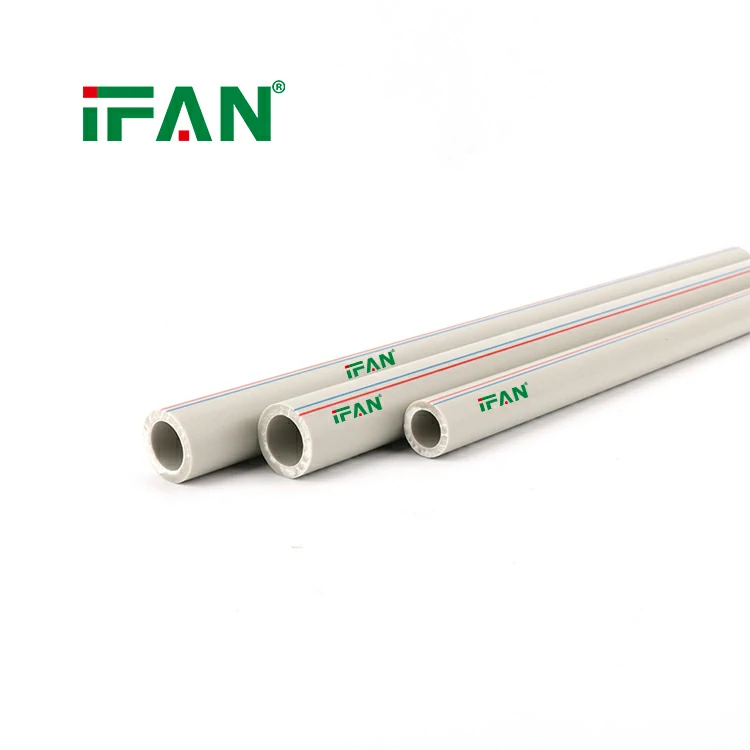
IFAN High Quality Durable PPR Plumbing Pipes
Category : Click Download
Whatsapp : +86 19884503412
Wechat : 19884503412
Description
Understanding the Heat Fusion Process
PPR pipes are joined using socket fusion. This is a heat-based welding method. It melts the pipe and fitting surfaces. They are then pressed together. The materials fuse into one homogenous piece. The joint is stronger than the pipe itself.
Tools Required for the Job
You need a fusion welding machine. These are available in different sizes. Interchangeable heating dies match the pipe diameter. A pipe cutter is essential for clean cuts. A deburring tool prepares the pipe ends. Safety glasses and gloves are recommended.
Cutting the Pipe Square
A clean, square cut is very important. Use a specialized PPR pipe cutter. A fine-tooth saw can work with a miter box. The cut must be perfectly perpendicular. A crooked cut will cause a weak joint. It can also restrict water flow.
Preparing the Pipe and Fitting
Clean the pipe end thoroughly. Remove any dust or oil. Mark the correct insertion depth on the pipe. This ensures full seating. Clean the inside of the fitting socket. The surfaces must be pristine for fusion.
Setting the Fusion Temperature
Set the welding tool to 260°C (500°F). This is the standard for PPR. Allow the tool to heat up fully. The indicator light will signal readiness. The heating dies must be clean. A dirty die will contaminate the joint.
Heating the Components
Insert the pipe into one side of the heater. Push the fitting onto the other side. Do not rotate or twist the parts. Hold them for the specified heating time. This time depends on the pipe diameter. Use a timing chart for accuracy.
The Critical Timing Factor
Heating too long burns the material. Underheating prevents proper fusion. For 20mm pipe, typical time is 5-6 seconds. For 32mm pipe, it is about 8 seconds. Follow the manufacturer’s recommendations precisely. Use a stopwatch or timer.
Joining the Parts Together
Remove both parts from the heater quickly. Immediately insert the pipe into the fitting. Push straight in to the depth mark. Do not rotate or twist the pipe. This is a common mistake. The bead inside should be uniform.
Holding and Cooling the Joint
Maintain steady pressure on the joint. Hold it for about 10 seconds. The joint must not move during initial cooling. After this, set the assembly aside. Allow it to cool for several minutes. Rushing this step weakens the weld.
Creating a Monolithic Seal
The correct fusion creates a double bead. One bead forms at the fitting lip. Another forms inside the joint. The pipe and fitting become one piece. There is no separate seal to fail. This is the major advantage of PPR plumbing pipes.
Quality Checking the Joint
Inspect the joint after cooling. A uniform bead should be present. No gaps should be visible. The pipe should be straight in the fitting. Any distortion indicates a bad weld. Cut out bad joints and redo them.
Working with Larger Diameters
Large pipes need longer heating times. They also need more force to join. A manual or mechanical clamp helps. It holds the parts straight during cooling. Two people are often needed for large PPR. Support the pipe to prevent sagging.
Conclusion on Installation Steps
Installing PPR plumbing pipes requires specific equipment. The fusion process is consistent and reliable. Clean cuts and correct heating times are critical. Do not rotate or twist during joining. Allow the joint to cool fully. When done correctly, fusion welding creates permanent, leak-proof connections. These joints will last for the life of the building.
相关产品
 Plastic PPR Pipe
IFAN Plastic PPR Pipes
- Plastic PPR Pipe
IFAN PPR Water Pipes
- Plastic PPR Pipe
Various PPR Pipes
- Plastic PPR Pipe
PPR Pipe

HAVE ANY QUERIES? SEND TO CONTACTOANTSMACHINE.COM
ONTACT US