
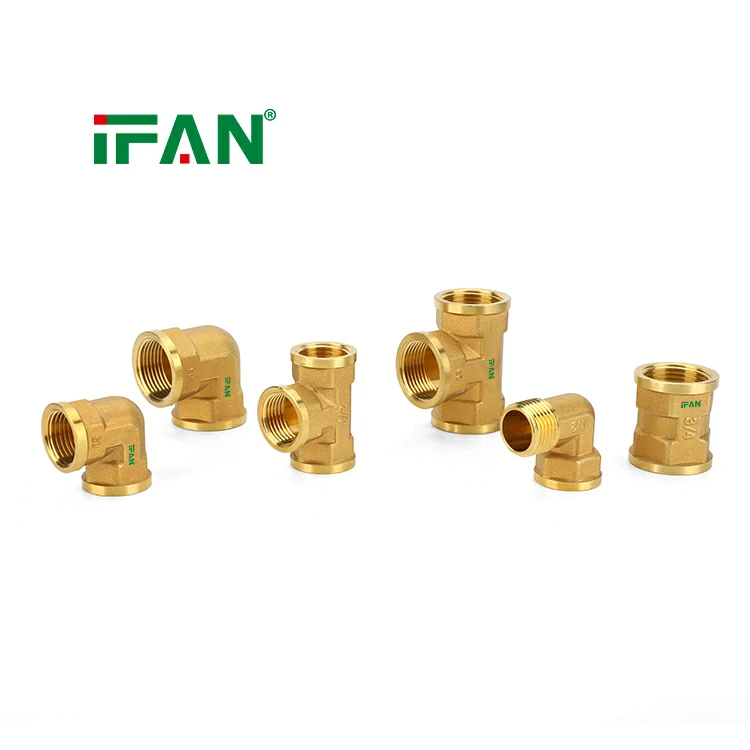
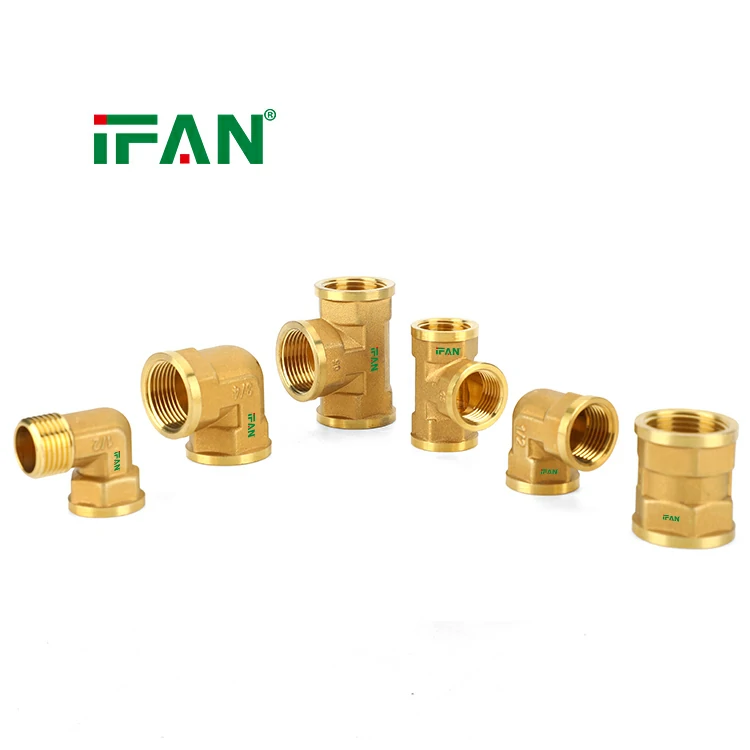
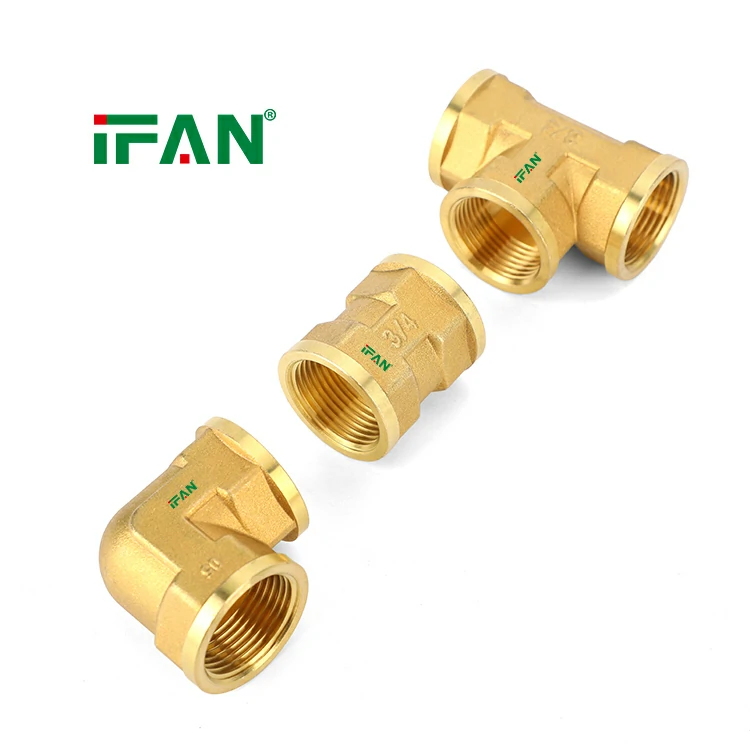
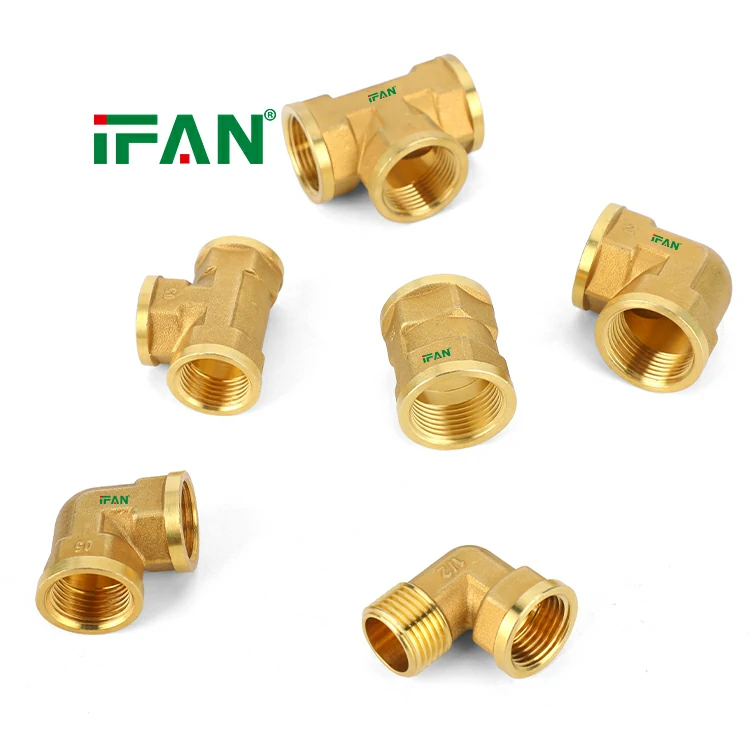
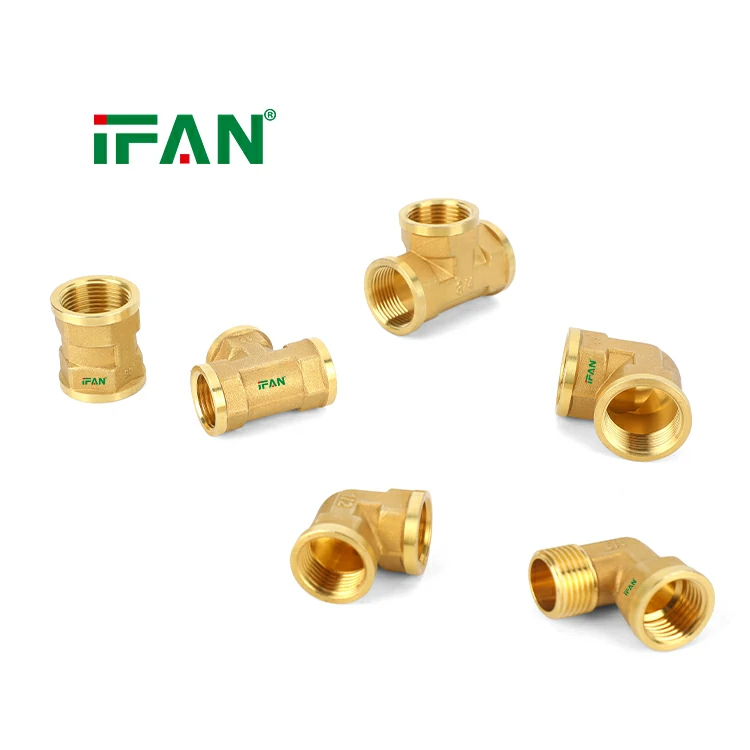
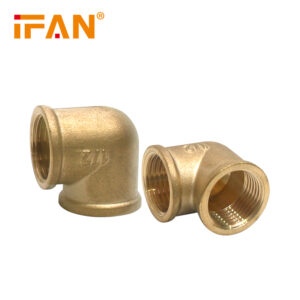
IFAN Factory Sells Brass Pipe Fittings
Category : Click Download
Whatsapp : +86 19884503412
Wechat : 19884503412
Description
Compatibility with Copper Pipe (Direct Connection)
Yes, brass is fully compatible with copper. These metals share a similar electrochemical makeup. They have been used together in plumbing systems for decades without issues. Brass pipe fittings are often the preferred choice for connecting to copper lines. Plumbers use brass unions, elbows, and tees alongside copper tubing routinely. This pairing is standard for residential and commercial water systems.
Why Brass and Copper Work Well Together
The reason lies in material science. Both are copper-based alloys. Brass is primarily copper and zinc. Copper is the base metal for both. This chemical similarity minimizes galvanic corrosion. Galvanic corrosion happens when two dissimilar metals touch in a wet environment. The potential difference between brass and copper is very small. Industry experts rate the electrochemical reaction as “insignificant”. This means they will not corrode each other quickly.
The Problem with Steel: Example of a Bad Mix
Using a steel component with copper causes rapid failure. For example, a galvanized steel plug in a copper tee will corrode. The steel becomes rusty and leaks. This is because iron and copper have a large electrochemical difference. You cannot use steel and copper together directly. Brass pipe fittings solve this problem by acting as a compatible middleman. They connect safely to both copper and other brass components.
Using Brass Fittings as Transition Adapters
Brass is the standard material for transition fittings. You can easily find a brass pipe fitting that connects copper to CPVC. A CPVC x Male Brass Adapter is a common product. One end glues or pushes onto the plastic pipe. The other end has brass threads that screw into a copper fitting. This allows a secure, code-approved connection between the two different systems.
When Teflon Tape and Joint Compound Are Needed
When connecting brass to any thread, you must use a sealant. Teflon tape or pipe joint compound fills the gaps between threads. These products prevent leaks under pressure. They also lubricate the threads for easier assembly. However, do not rely on them to stop galvanic corrosion. With threaded brass connections, there is always direct metal-to-metal contact. The sealant simply fills the leaks; it does not fully separate the metals.
Push-Fit Fittings: A Modern Solution for Compatibility
Modern push-fit connectors are made of brass. They are designed to work with several pipe types simultaneously. A single push-fit brass pipe fitting can connect to copper, CPVC, or PEX pipes. The internal design uses a stainless steel teeth ring to grip the pipe and an O-ring to seal it. These products are rated for high temperatures (up to 200°F) and pressures (up to 200 psi), making them a very versatile option.
Direct Connection to CPVC and PEX
Brass can connect directly to CPVC and PEX through special adapters. For CPVC, there are brass fittings designed specifically for solvent cement welding. You prime and glue the CPVC pipe into the brass socket like a plastic fitting. For PEX, poly alloy or brass insert fittings work with crimp rings. These direct connections have proven reliable when installed correctly.
The Risk: Aggressive Water and Brass Fittings
While brass is chemically compatible with other metals, it is vulnerable to water chemistry. Hard water or water with high sulfur or mineral content causes dezincification. This is the process where the zinc leaches out of the brass. The fitting becomes weak, porous, and prone to leaking. If you have aggressive water, either treat the water or use dezincification-resistant (DZR) brass fittings.
Brass Fittings with Stainless Steel Components
Many modern brass fittings contain internal stainless steel components. Push-fit connections have stainless steel grip rings that contact the brass body. This combination has proven safe over decades of use. The specific alloys used are selected because they have a very low voltage difference. This prevents galvanic corrosion, even in wet conditions, ensuring the long-term reliability of the fitting.
When to Use Dielectric Unions
Dielectric unions are necessary for mixing certain metals. You need one if you are connecting brass directly to galvanized steel. Brass and copper are safe together. Brass and stainless steel are safe. Brass and steel are not safe. The union uses plastic and rubber washers to separate the metals completely. When in doubt, check the anodic index of the metals. If the voltage difference is over 0.25V, use a dielectric union.
Summary of Brass Compatibility
Brass pipe fittings are the most versatile connectors in plumbing. They are fully compatible with copper pipes and most plastic pipes. They can join copper, CPVC, and PEX systems through various adapter types. They are compatible with stainless steel internal components used in modern push fittings. However, they are not safe for direct connection to ferrous metals like iron or galvanized steel. Always use a sealant on threads, but be aware that water chemistry is often the main cause of brass fitting failure, not material incompatibility.
相关产品
 01 Series
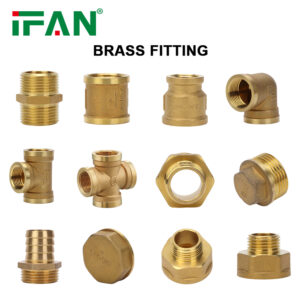
Brass Connectors
- 01 Series
Brass Bushing
- 01 Series
Brass Tee
- 01 Series
Brass Fitting Elbow



HAVE ANY QUERIES? SEND TO CONTACTOANTSMACHINE.COM
ONTACT US