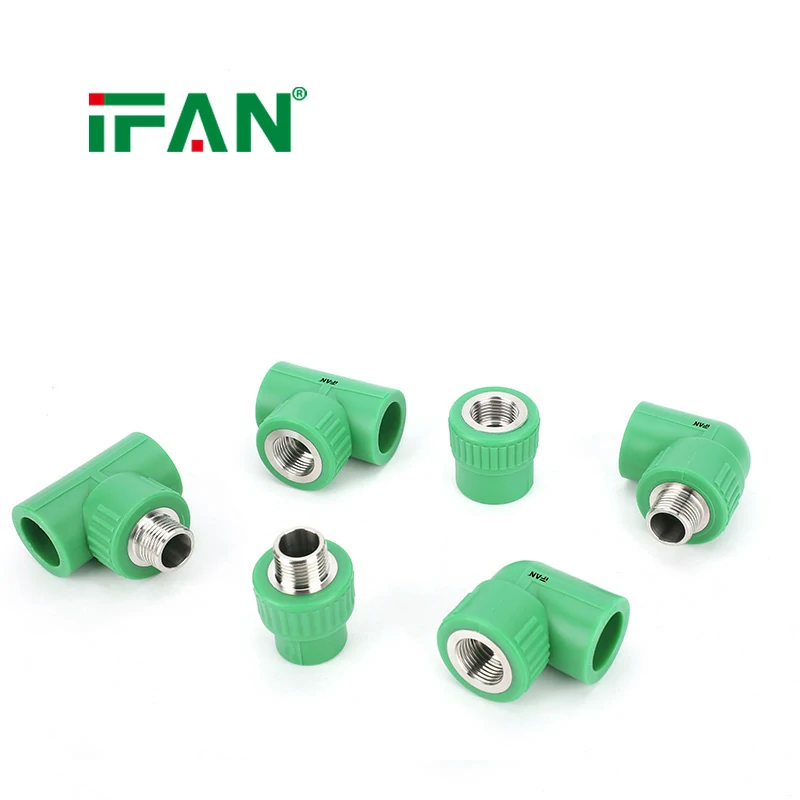
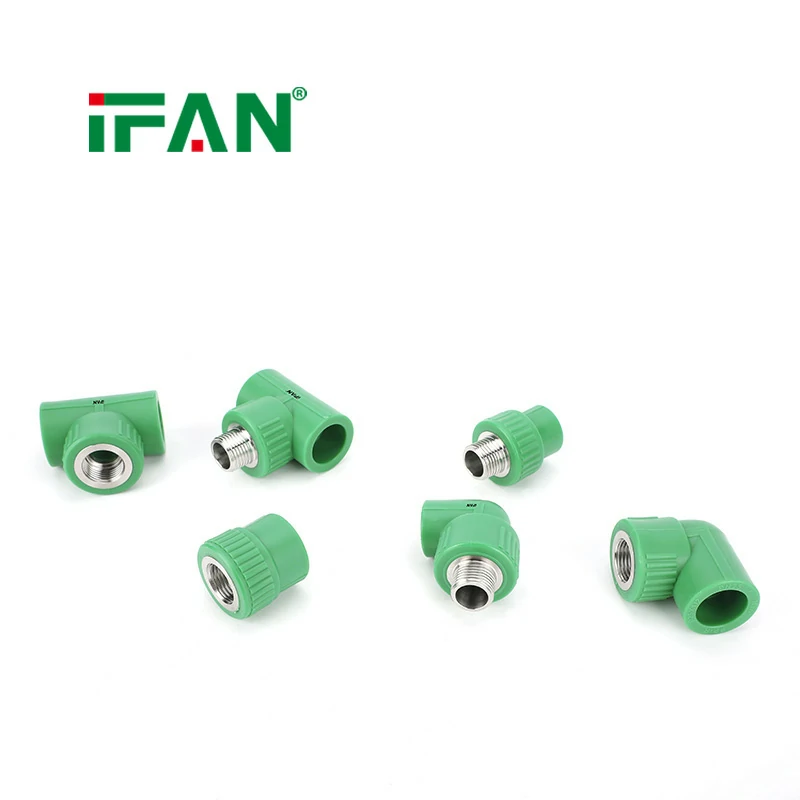
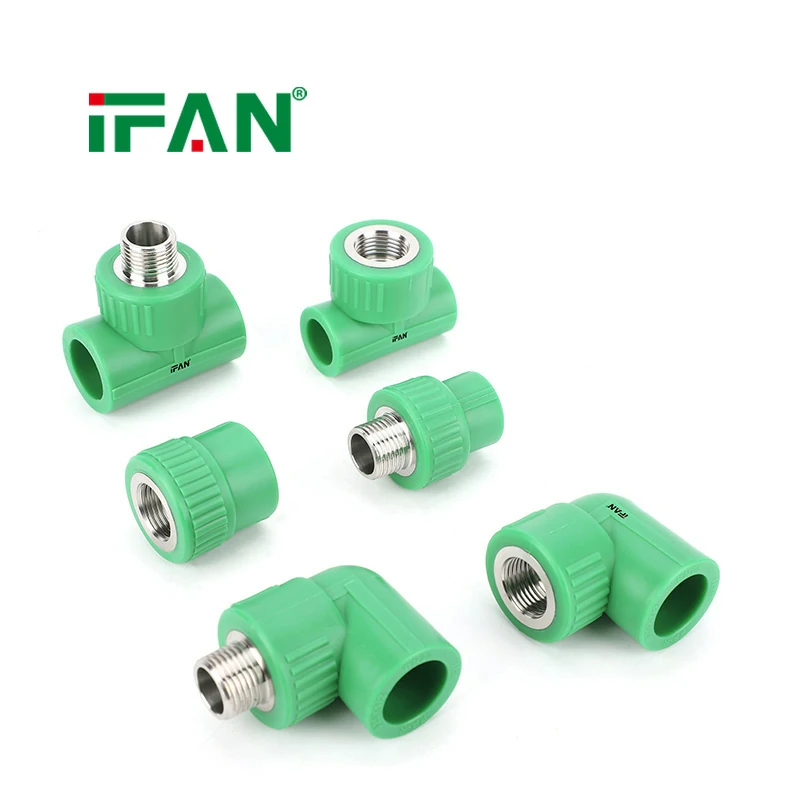
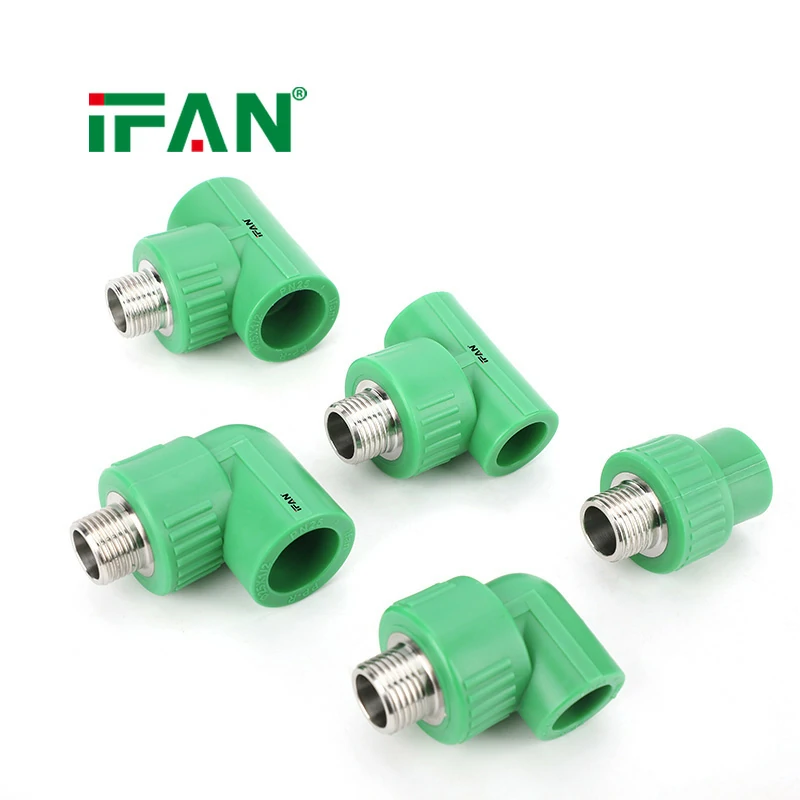
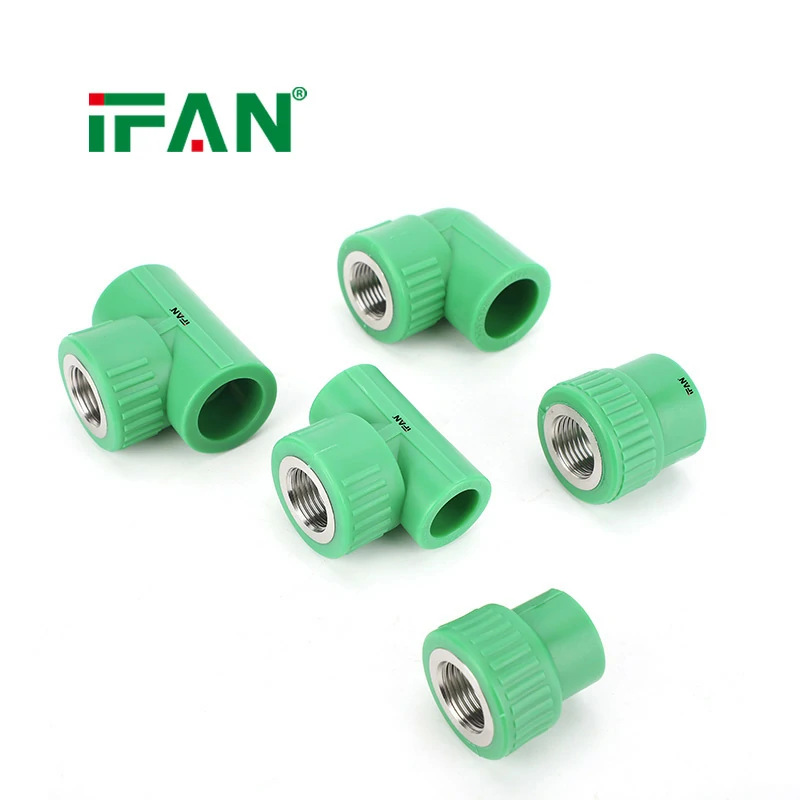
Yes, Stainless Steel PPR Fittings Are Fully Suitable for Both Hot and Cold Water Systems
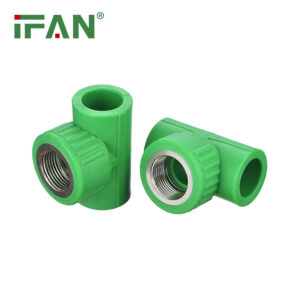
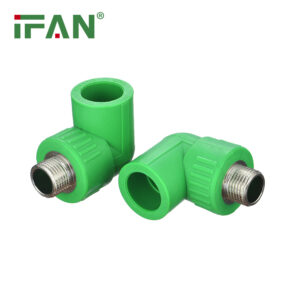
Stainless steel PPR fittings are specifically engineered for use in both hot and cold water applications. The combination of PPR (polypropylene random copolymer) material with stainless steel reinforcement creates a hybrid component capable of handling the full range of temperatures found in residential, commercial, and industrial plumbing systems.
This guide explains the temperature ratings, performance characteristics, and best applications for these versatile fittings.
The Temperature Range of Stainless Steel PPR Fittings
Maximum Operating Temperature for Hot Water
Stainless steel PPR fittings can reliably handle high-temperature water. PPR material typically withstands continuous operating temperatures up to 95°C (203°F). This makes them suitable for:
- Hot water supply lines
- Boiler connections
- Solar thermal systems
- Radiator and heating circuits
The stainless steel threaded component provides the same thermal tolerance, ensuring the entire fitting performs consistently under heat.
Cold Water Performance
For cold water systems, stainless steel PPR fittings operate well below their maximum rated temperature. The material remains strong and durable at low temperatures, with some variants rated down to -20°C (-4°F) or even -30°C. The low thermal expansion coefficient of stainless steel (approximately 17) compared to pure PPR (70) provides dimensional stability in cold conditions.
Material Performance Under Hot and Cold Cycling
Stainless Steel Threads vs. Brass Threads
The stainless steel component in these fittings offers superior durability compared to traditional brass pipe fittings. Key differences include:
| Feature | Stainless Steel PPR Fittings | Brass Pipe Fittings |
|---|---|---|
| Thermal Fatigue Resistance | Very High – 304/316 grade maintains integrity through repeated cycles | High – Quality brass handles cycles well but may degrade over time |
| Corrosion Resistance | Excellent – No dezincification risk in hot water | Good – But vulnerable to dezincification in aggressive hot water |
| Strength at Temperature | Maintains integrity up to 95°C+ | Good for residential hot water but softer than stainless steel |
| Cost | Higher initial investment | Lower initial cost |
Thermal Expansion Characteristics
All materials expand and contract with temperature changes. Stainless steel PPR fittings manage this well because:
- The PPR body and stainless steel threads are fused during injection molding, creating a monolithic structure
- The thermal expansion rates, while different, are managed by the bonded design
- The fitting does not rely on separate mechanical connections that could loosen over time
Pressure Ratings at Different Temperatures
Stainless steel PPR fittings typically come in PN (Pressure Nominal) ratings. Common pressure ratings for these fittings include:
| Fitting Grade | Temperature Rating | Pressure Rating |
|---|---|---|
| Base Model | Up to 70°C | PN25 (25 bar / 362 psi) |
| Advanced Model | Up to 95°C | PN25 (25 bar / 362 psi) |
| Pro Model (316 SS) | -30°C to 110°C | PN25+ with enhanced durability |
The pressure rating remains consistent across the temperature range when using properly certified stainless steel PPR fittings. This is due to the reinforcing effect of the stainless steel threads, which maintain thread integrity under thermal stress.
Advantages for Hot Water Systems
1. No Dezincification Risk
Unlike brass pipe fittings, stainless steel contains no zinc. This means stainless steel PPR fittings are immune to dezincification, a common failure mode where zinc leaches out of brass in hot, aggressive water. This makes them ideal for:
- Hot water recirculation systems
- Commercial water heaters
- Industrial hot water transport
2. Consistent Performance Through Thermal Cycles
Hot water systems undergo daily heating and cooling cycles. Stainless steel PPR fittings are designed to withstand this thermal fatigue. The stainless steel thread maintains its grip and seal integrity through hundreds of heating cycles without loosening or cracking.
3. High-Temperature Resistance (95°C+)
Many plastic fittings cannot handle true hot water temperatures. Stainless steel PPR fittings are rated for continuous use up to 95°C (203°F). This makes them suitable for:
- Direct boiler connections
- Solar water heating systems
- Industrial process hot water
Advantages for Cold Water Systems
1. Low Thermal Expansion
While all materials expand and contract, stainless steel PPR fittings have a stainless steel component with low thermal expansion (coefficient ~17). This provides dimensional stability in cold conditions, preventing stress on joints during temperature drops.
2. Impact Resistance at Low Temperatures
PPR material remains impact-resistant even at low temperatures. Unlike some plastics that become brittle, properly formulated PPR retains its toughness down to -20°C. The stainless steel reinforcement adds further mechanical strength.
3. Corrosion Resistance in All Water Types
Stainless steel (particularly 316 grade) resists corrosion from all common water types, including:
- Hard water
- Soft water
- Chlorinated municipal water
- Slightly acidic water
This makes stainless steel PPR fittings suitable for cold water applications across diverse geographic regions.
Installation Considerations for Temperature Applications
Heat Fusion for PPR Connections
The PPR end of stainless steel PPR fittings is installed using standard heat fusion (socket welding). This creates a monolithic joint that moves with the pipe during thermal expansion, preventing stress concentrations that could cause leaks.
Threaded Connections for Metal Transitions
The stainless steel threaded end connects to metal components (valves, pumps, water heaters) using standard plumbing practices. Thread sealant (PTFE tape or pipe dope) is required for leak-free connections.
Allowing for Thermal Movement
In long hot water runs, allow for thermal expansion using:
- Expansion loops or offsets
- Properly spaced pipe supports
- Sliding supports that allow pipe movement
Applications Across Temperature Ranges
Hot Water Applications
- Domestic hot water distribution (60°C typical)
- Solar thermal collector connections
- Boiler and water heater hookups
- Radiator and heating system connections
Cold Water Applications
- Main water supply lines
- Drinking water distribution
- Irrigation systems
- Industrial cold water transport
Dual-Temperature Systems
- Recirculation systems that carry both hot and cold return water
- Commercial plumbing in hotels and hospitals
- Industrial process water with varying temperatures
Code Compliance and Certifications
For both hot and cold drinking water applications, stainless steel PPR fitting should have appropriate certifications:
- NSF/ANSI 61 for potable water safety
- ISO 15874 or ASTM F2389 for material standards
- DIN PN25 for pressure rating compliance
- CE marking for European markets
Comparison Table: Brass vs. A Stainless Steel PPR Fitting for Hot/Cold Use
| Aspect | Stainless Steel PPR Fittings | Brass Pipe Fittings |
|---|---|---|
| Maximum Hot Water Temp | 95°C (203°F) | 60-82°C (depends on brass grade) |
| Dezincification Risk | None | Yes – significant in hot water |
| Cold Water Performance | Excellent to -20°C | Good |
| Pressure Rating at Temperature | Maintains PN25 rating | Requires derating for hot water |
| Corrosion Resistance | Excellent (316 grade superior) | Good for freshwater only |
| Cost | Higher initial investment | Lower initial cost |
| Installation | Heat fusion + threading | Threading or soldering |
| Lifespan | 50% longer than brass in corrosive environments | Standard |
Summary
Stainless steel PPR fittings are fully suitable for both hot and cold water systems. Their PPR body handles continuous temperatures up to 95°C (203°F), while the stainless steel threads provide corrosion resistance and mechanical strength without the dezincification risk of traditional a brass pipe fitting.
Key takeaways:
 Rated for hot water up to 95°C and cold water down to -20°C
- Immune to dezincification – a common brass failure in hot water
- PN25 pressure rating maintained across temperature range
- 304/316 stainless steel grades available for different corrosion environments
- Standard heat fusion installation for PPR connections
- Certified for drinking water systems (NSF/ANSI 61)
 Rated for hot water up to 95°C and cold water down to -20°C
For any application requiring reliable hot and cold water distribution, a stainless steel PPR fitting offers a durable, high-performance solution.
Do you need specific guidance on selecting the right stainless steel grade (304 vs. 316) for your water conditions or assistance with installation steps?
相关产品
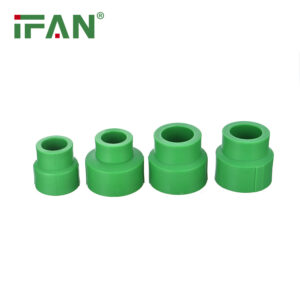
 Green PPR Pipe Fittings
PPR Reduce Socket Fittings
- Green PPR Pipe Fittings
PPR Female Tee
- Green PPR Pipe Fittings
PPR Male Elbow
- Green PPR Pipe Fittings
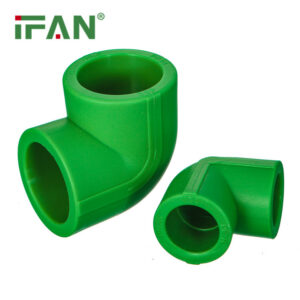
PPR Elbow Fittings