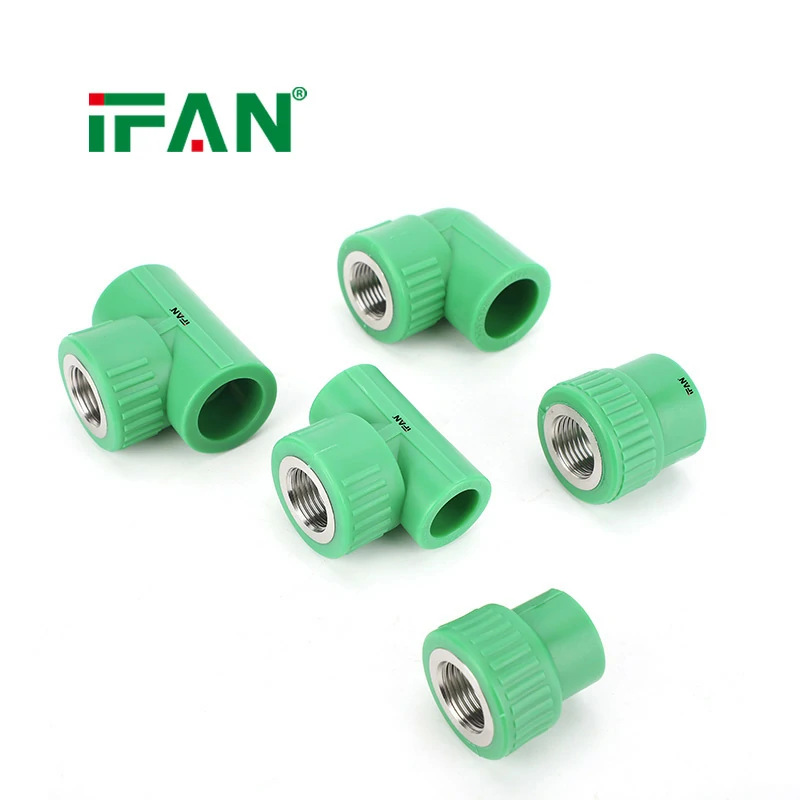
Yes, Stainless Steel PPR Fittings Are Safe for Drinking Water Systems
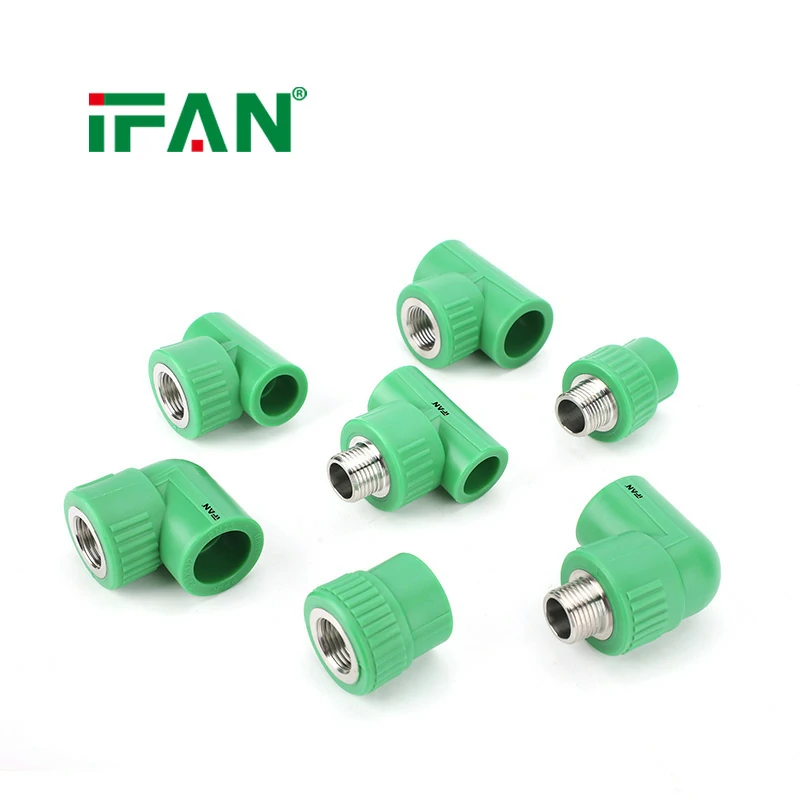
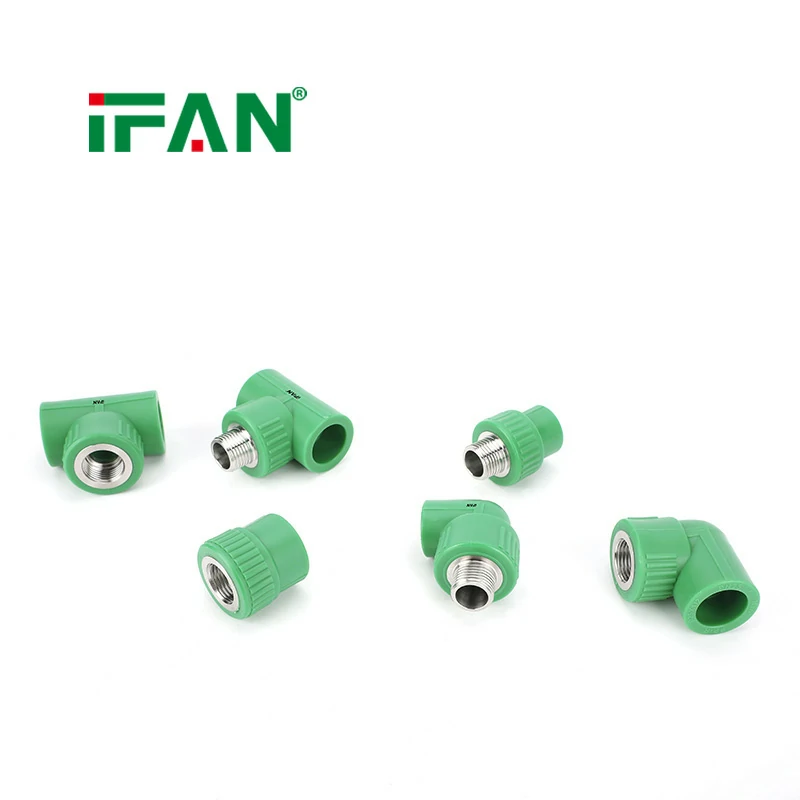
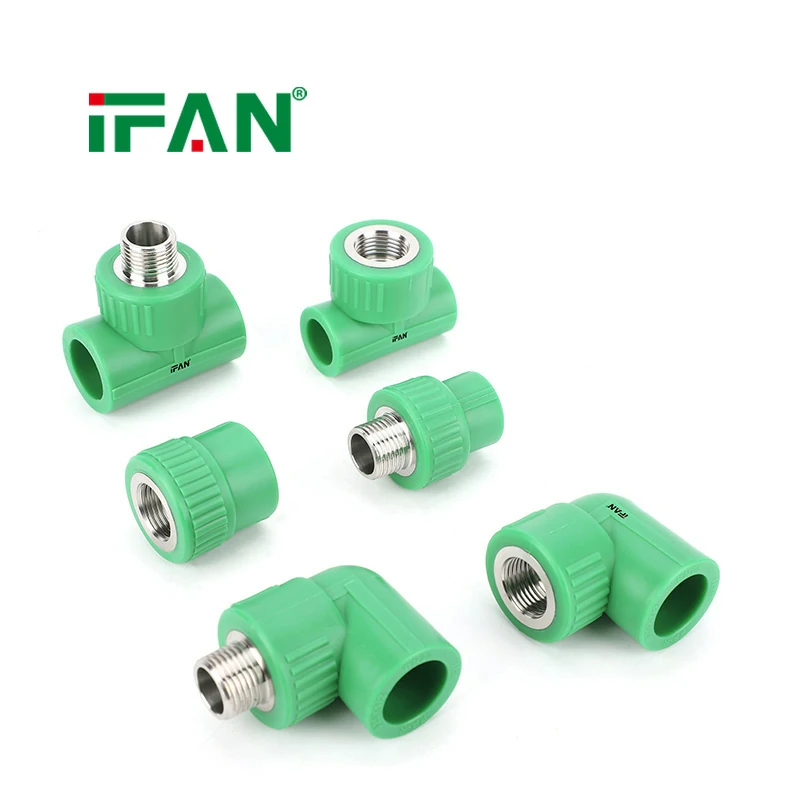
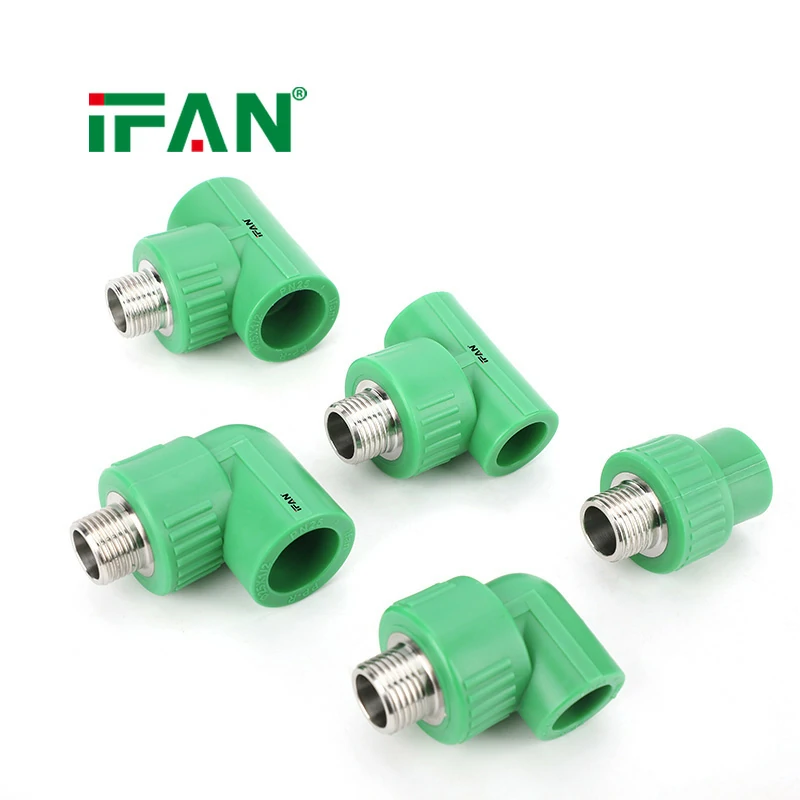
Stainless steel PPR fittings are fully suitable for drinking water applications when manufactured to proper standards and certified for potable water contact. The combination of stainless steel and PPR (polypropylene random copolymer) creates a fitting that is both hygienic and durable .
This guide explains the certifications, material safety, and performance characteristics that make these fittings a reliable choice for potable water systems.
Material Safety: Why Both Components Are Safe
The safety of stainless steel PPR fittings for drinking water comes from the properties of both materials used in their construction.
Stainless Steel Safety :
Stainless steel is one of the safest materials available for potable water systems worldwide. It is an alloy primarily composed of iron and chromium. When exposed to oxygen, it forms a stable chromium oxide layer that protects against corrosion and prevents contaminants from entering the water. Key safety advantages include being non-toxic, corrosion-resistant, and hygienic with reduced bacterial growth.
PPR Plastic Safety :
The PPR body of these fittings is made from non-toxic polypropylene random copolymer, certified for potable water use. The material meets NSF/ANSI 61 standards, ensuring it does not leach harmful substances into drinking water.
Essential Certifications for Drinking Water
When selecting stainless steel PPR fittings for potable water systems, look for the following certifications and standards:
NSF/ANSI 61 :
This is the most important certification for drinking water components in North America. It tests for leaching of contaminants into drinking water. Products meeting this standard are certified safe for potable water contact. Reputable stainless steel PPR fittings carry this certification.
NSF/ANSI 372:
This standard verifies lead-free compliance, ensuring no lead is present in the wetted surfaces of the fitting.
WaterMark (Australia) :
In Australia, composite stainless steel/PP-R pipe systems are certified under WaterMark Technical Specification WMTS-473:2016 for use in cold and heated water supply systems at continuous operating temperatures up to 80°C.
EN 10352 (Europe – Draft) :
This upcoming European standard explicitly lists stainless steel press fittings as suitable for “potable water systems” according to EN 806, with a design service lifetime of fifty years.
Potable Water Grade PPR :
The PPR material must be certified non-toxic and FDA-approved for drinking water contact. Quality manufacturers clearly state this certification on their product specifications.
Performance in Drinking Water Systems
Corrosion Resistance :
Stainless steel is highly resistant to corrosion, maintaining its integrity over decades. Unlike traditional brass pipe fittings, which are vulnerable to dezincification (zinc leaching) in aggressive water conditions, stainless steel contains no zinc and is immune to this failure mode. The PPR body is also completely resistant to corrosion and chemical attack.
Hygiene and Water Quality :
Stainless steel offers the highest level of hygiene with zero chemical leaching into the water supply. PPR does not react with water and maintains water quality over time. For projects with strict water quality requirements (e.g., hospitals, food processing), stainless steel is often the preferred choice.
Temperature Range :
Stainless steel PPR fittings are designed to handle both hot and cold drinking water systems. The typical operating temperature range is -20°C to 95°C (-4°F to 203°F), covering all standard residential and commercial potable water applications.
Pressure Ratings :
These fittings are rated for continuous working pressures appropriate for drinking water distribution. The WaterMark specification for composite stainless steel/PP-R systems covers pressures not exceeding 1.4 MPa (approximately 200 psi). Standard PPR fittings typically handle pressures up to 2.0 MPa (290 psi) for PN20 rated products.
Non-Toxic Surface :
The non-toxic PP surface is certified for potable water use, ensuring safety for drinking systems while meeting NSF/ANSI 61 standards and eco-friendly production processes.
Leak-Proof Connection :
The stainless steel threaded insert is permanently fused into the PPR body during injection molding. This creates a monolithic structure where the metal thread cannot twist or loosen, ensuring a permanent, leak-proof connection that is critical for drinking water safety.
Comparison with Brass PPR Fittings for Drinking Water
| Feature | Stainless Steel PPR Fittings | Brass Pipe Fittings |
|---|---|---|
| Dezincification Risk | None (contains no zinc) | Yes – in aggressive or hot water |
| Drinking Water Certification | NSF/ANSI 61, EN 10352, WaterMark | Also available |
| Corrosion Resistance | Excellent (self-healing oxide layer) | Good (vulnerable to specific conditions) |
| Lead Content | None | Lead-free versions available (<0.25%) |
| Hygienic Surface | Excellent; resists bacterial growth | Good |
| Longevity | 50+ years | 50+ years under proper conditions |
Applications in Drinking Water Systems
Stainless steel PPR fittings are suitable for a wide range of drinking water applications :
- Residential Plumbing: Hot and cold potable water distribution throughout homes
- Commercial Buildings: Office buildings, hotels, and restaurants requiring reliable drinking water supply
- Hospitals and Healthcare Facilities: Where water quality and hygiene are critical
- Food and Beverage Processing: Applications with strict purity requirements
- Water Treatment Plants: Connections in filtration and treatment systems
- Heated Water Systems: Continuous operation up to 80-95°C
Specific connection points :
These fittings are commonly used to connect PPR piping to:
- Water meters
- Faucets and taps
- Water heaters and boilers
- Shower and bath valves
- Kitchen and bathroom fixtures
Why Choose Stainless Steel Over Brass for Drinking Water?
While traditional brass pipe fittings have been used for decades in drinking water systems, stainless steel PPR fittings offer distinct advantages :
No Dezincification Risk:
Stainless steel contains no zinc, eliminating the risk of this corrosive failure mode that can affect brass fittings in aggressive or hot water conditions.
Superior Corrosion Resistance:
The self-healing chromium oxide layer on stainless steel provides ongoing protection even if the surface is scratched during installation.
Long-Term Reliability:
Stainless steel offers excellent mechanical strength and durability, withstanding vibration and pressure fluctuations without loosening.
Hygienic Properties:
The smooth surface of stainless steel resists bacterial growth and biofilm formation, making it particularly suitable for healthcare and food processing applications.
Summary: Are Stainless Steel PPR Fittings Suitable for Drinking Water?
| Criterion | Verdict |
|---|---|
| Material Safety |  Excellent – both stainless steel and PPR are non-toxic Excellent – both stainless steel and PPR are non-toxic |
| Certifications | NSF/ANSI 61, WaterMark, EN 10352 (pending) |
| Corrosion Resistance | Excellent – no dezincification risk |
| Temperature Range | -20°C to 95°C covers all potable water needs |
| Hygiene | Highest level with zero chemical leaching |
| Longevity | 50+ year service life |
| Comparison to Brass | Superior in aggressive water conditions |
Stainless steel PPR fittings are fully suitable and often superior for drinking water applications. They are safe, durable, and certified to meet international potable water standards. The combination of stainless steel’s corrosion resistance and PPR’s non-toxic properties creates a fitting ideal for long-term drinking water service .
For standard residential applications with treated water, high-quality brass pipe fittings remain a viable option. However, for aggressive water conditions, coastal installations, or applications requiring the highest level of hygiene, stainless steel PPR fittings justify their higher initial cost through extended service life and superior reliability .
Do you need guidance on specific NSF/ANSI 61 certified products or installation requirements for your drinking water project?
相关产品
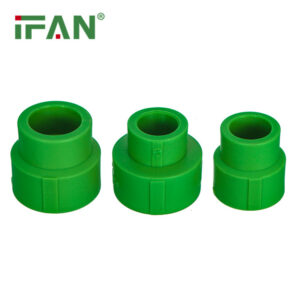
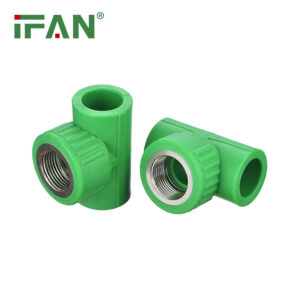
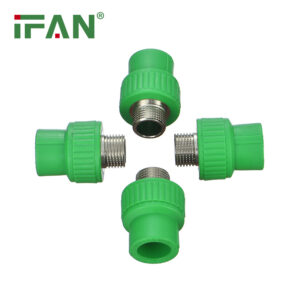
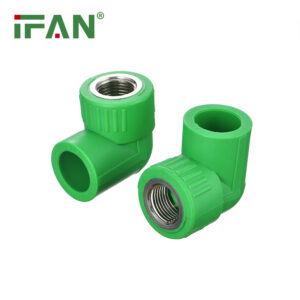
 Green PPR Pipe Fittings
PPR Reduce Socket
- Green PPR Pipe Fittings
PPR Female Tee
- Green PPR Pipe Fittings
PPR Male Socket
- Green PPR Pipe Fittings
PPR Female Elbow