
Understanding the “PP” Abbreviation
PP stands for Polypropylene. This is a specific type of plastic. It is a synthetic polymer. The name describes the material. It does not describe the fitting’s mechanism. Many materials can make compression fittings. PP is just one of them. The term itself confirms a plastic type.
The Composition of These Fittings
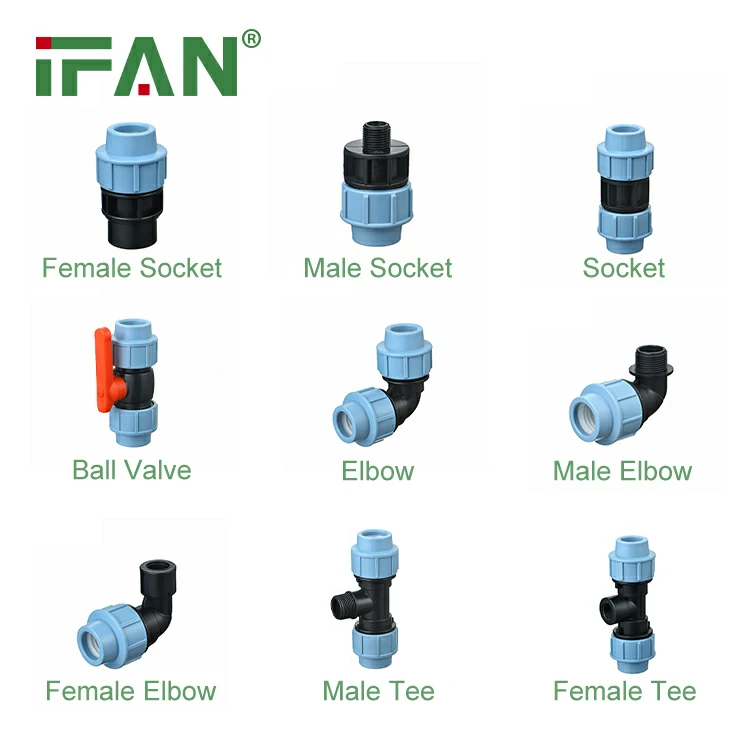
PP Compression Fittings are made from polypropylene. This is a thermoplastic polymer. It is known for its high chemical resistance. It can withstand many acids and bases. It is also very durable and rigid. These fittings are entirely plastic. No metal parts are inside them. This is a key feature for corrosion prevention.
Defining the Compression Mechanism
A compression fitting creates a seal mechanically. It compresses a ring or ferrule onto a pipe. This action creates a watertight seal. The mechanism is not exclusive to metal. Plastic fittings use the same principle. PP Compression Fittings perform this with plastic components. The design ensures a strong, reliable connection.
Primary Advantages of Plastic
Using PP plastic offers many benefits. It is highly resistant to corrosion. It will not rust or corrode like metal. It is also very lightweight. This makes installation much easier. The material is also an electrical insulator. It is perfect for sensitive environments. Its cost is often lower than metal equivalents.
Common Industrial Applications
These fittings are used in many industries. They are common in chemical processing plants. They handle aggressive fluids safely. Water treatment facilities use them extensively. They are also found in agricultural irrigation. Their corrosion resistance is highly valued. They ensure system integrity in harsh conditions.
Comparison to Metal Compression Fittings
Metal fittings are often brass or stainless steel. They are generally stronger under high pressure. However, they can corrode with certain chemicals. PP Compression Fittings will not corrode. They are the superior choice for corrosive fluids. The application dictates the best material type.
Temperature and Pressure Limits
All materials have operational limits. Polypropylene has a lower heat tolerance. It softens at high temperatures. Its pressure rating is also lower than metal. Always check the manufacturer’s specifications. Using them beyond their limits causes failure. They are not suitable for high-pressure steam lines.
Installation Process and Tools
Installation is straightforward and tool-free. You typically need two wrenches. One holds the fitting body. The other tightens the compression nut. The process does not require glue or heat. This makes for a clean and quick installation. It is a major advantage for maintenance.
Long-Term Durability and Lifespan
When used within specifications, they last long. Polypropylene does not degrade easily. It is not affected by UV light like some plastics. It maintains its mechanical strength for years. Proper installation is key to longevity. They provide a reliable, long-term sealing solution.
Chemical Resistance Properties
This is their most significant advantage. PP resists a very wide range of chemicals. This includes strong acids and alkalis. It is unsuitable for some strong solvents, however. Always consult a chemical compatibility chart. This ensures the material is safe for your fluid.
Recognizing Quality and Standards
High-quality fittings meet certain standards. Look for certifications like NSF/ANSI 61. This means they are safe for potable water. Good fittings have sharp, clean molding lines. The plastic should be uniform in color. Avoid products with visible flaws or thin walls. Reputable brands ensure reliability.
Making the Right Material Choice
So, yes, PP means the fitting is plastic. PP Compression Fittings are entirely polypropylene. They offer excellent chemical resistance. They are lightweight and easy to install. They are ideal for many industrial and plumbing uses. Choose them for corrosive fluid applications. Always respect their temperature and pressure ratings for safety.