
Defining the Terminology
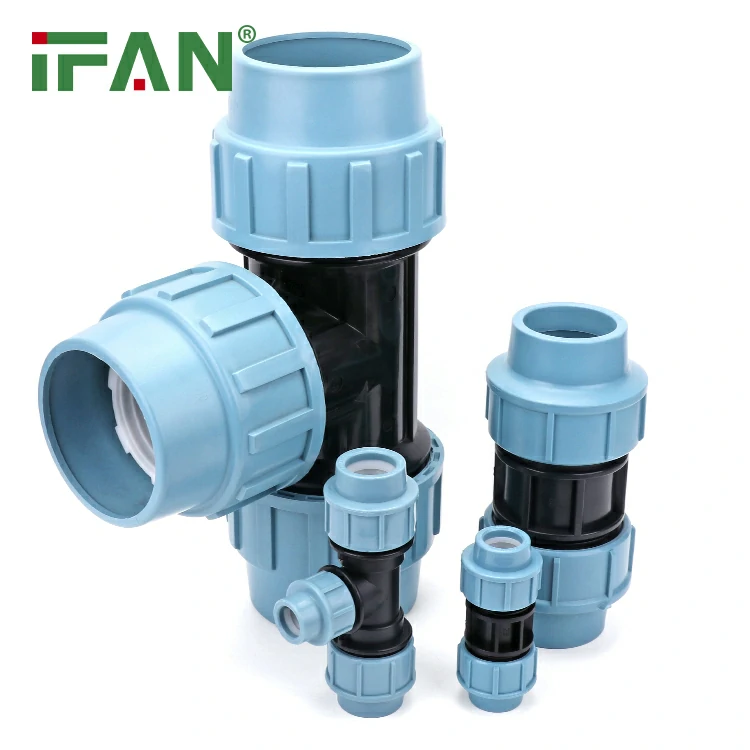
PP Compression Fittings are specific components. They connect pipes in a system. “PP” is the material type. It stands for Polypropylene. “Compression” is the connection method. These terms together define the product. They are crucial for many piping projects. Understanding their meaning is essential.
The Material: Polypropylene
Polypropylene is a thermoplastic polymer. It is known for its strong chemical resistance. It handles many corrosive substances well. This material is also very lightweight. It has a high melting point for a plastic. These properties make it very useful. It is a popular choice for modern piping.
The Compression Mechanism
The compression mechanism creates a seal. A nut and a ferrule are key parts. Tightening the nut compresses the ferrule. This action grips the pipe securely. It also forms a reliable, leak-tight seal. No heat or solvent is required for this. It is a purely mechanical joining process.
Key Components and Design
These fittings have a simple design. The main body holds the pipe. A compression nut threads onto the body. An olive ring, or ferrule, sits inside. Some designs use a rubber O-ring. This assembly is compact and efficient. The design ensures ease of installation.
Primary Advantages and Benefits
They offer several significant advantages. Their chemical resistance is a major benefit. Installation is quick and requires few tools. They create a strong, reliable seal. These fittings are also reusable in some cases. They are cost-effective for many applications. Their versatility is highly valued.
Common Industrial Applications
You will find these fittings in many industries. Chemical processing plants use them extensively. Water treatment facilities rely on them. They are common in agricultural irrigation. Industrial fluid transport uses them. Their corrosion resistance is critical here. They ensure system integrity and safety.
Installation Process Overview
Installation is a straightforward process. First, cut the pipe square and deburr it. Slide the nut and then the ferrule onto the pipe. Insert the pipe fully into the fitting body. Hand-tighten the nut onto the threads. Then, use wrenches for the final turns. This compresses the ferrule, creating the seal.
Comparison to Other Connection Types
They differ from solvent weld fittings. Glue is not needed for a compression joint. They differ from threaded metal fittings. They will not corrode or seize over time. They allow for easier disassembly than glued joints. This makes maintenance and modifications simpler.
Temperature and Pressure Ratings
All piping components have limits. PP Compression Fittings are no different. They typically handle temperatures up to 180°F. Their pressure rating depends on size and design. Always consult the manufacturer’s specifications. Exceeding these limits can cause joint failure.
Long-Term Performance and Maintenance
When installed correctly, they perform well. The plastic does not corrode or rust. The seal can last for many years. Periodic inspection is recommended for critical systems. Check for any signs of leakage or damage. They offer a durable, long-lasting solution.
Limitations and Considerations
They are not perfect for every situation. They are not ideal for high-vibration environments. Physical impact can damage the plastic body. Not all models are suitable for hot water. Always ensure compatibility with your fluid. Understanding these limits prevents problems.
A Vital Piping Component
In summary, PP Compression Fittings are essential. They represent a specific material and method. They provide a reliable, corrosion-resistant connection. Their ease of use makes them a popular choice. They are a cornerstone of modern plastic piping systems. Understanding their meaning ensures proper application.