
Understanding Radiator Valve Function
Radiator valves control heat in a room. They regulate hot water flow. A functioning valve adjusts temperature properly. A faulty one disrupts your heating system. It can cause cold spots or constant heat. Recognizing early signs is crucial. This saves energy and prevents damage.
Visible Signs of Corrosion
Look for green or white deposits. These are signs of corrosion. Corrosion weakens the metal over time. It often appears around the valve stem. This can lead to small, persistent leaks. Even minor corrosion should be noted. It indicates potential future failure.
Identifying Water Leaks
Check for water puddles underneath. Dripping from the valve body is a clear sign. Leaks often occur at the valve stem. They can also come from the connection points. Even a slow drip wastes water and energy. It can also cause damage to your flooring.
Difficulty Operating the Valve
The valve should turn smoothly. It should not be stuck or too stiff. Resistance when turning the handle is a problem. It could mean internal corrosion or debris. A seized valve cannot regulate flow. Forcing it may cause breakage.
Inconsistent Room Temperature
Rooms may not heat evenly. The radiator might stay cold with the valve open. Alternatively, it may stay hot with the valve closed. This indicates a failure to control flow. The valve might be stuck in one position. This leads to discomfort and energy waste.
Unusual Noises During Operation
Listen for whistling or gurgling sounds. These noises often come from the valve. They can indicate a restricted water flow. Loose internal parts may also cause rattling. These sounds suggest internal wear or blockage. They should not be ignored.
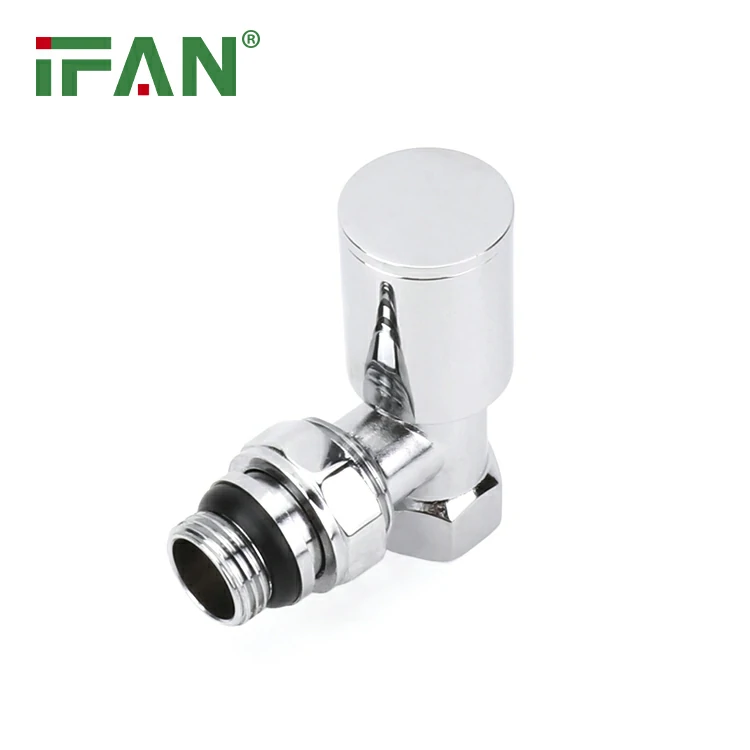
The Valve Fails to Close Fully
A valve that won’t close is a common issue. The radiator remains hot all the time. This points to a damaged valve seat or disk. The internal mechanism is likely worn out. This fault can significantly increase heating costs. It requires immediate attention.
Checking the Thermostatic Head
Thermostatic radiator valves have a special head. If the radiator is always on or off, check it. Swap the head with one from a working valve. If the problem moves, the head is faulty. If not, the valve body itself is the issue. This is a simple diagnostic test.
Inspecting for Physical Damage
Look for cracks in the valve body. Check for bent or damaged components. Physical impact can misalign internal parts. This prevents the valve from sealing correctly. Even a small crack can cause a major leak. Visual inspection is a key first step.
Assessing Age and Wear
Brass radiator valves last a long time. But they do not last forever. Older valves are more prone to failure. If your system is over 15 years old, be vigilant. Wear on internal seals is inevitable. Age alone can be a indicator of potential problems.
Low System Pressure Problems
Frequent pressure drops in the boiler can be a clue. A leaking Brass radiator valves can cause this. The leak might be small and not immediately visible. It slowly releases water from the central heating system. This leads to a loss of system pressure over time.
When to Call a Professional
Some issues are for experts. Major leaks require immediate professional help. If you lack confidence, do not attempt repairs. Replacing Brass radiator valves often needs a system drain. A qualified plumber can diagnose and fix the problem safely. This ensures your heating system works efficiently.