
Understanding Valve Settings
Radiator valves control room temperature. They do not control boiler temperature. The boiler has its own thermostat. Valves manage flow to individual radiators. Correct settings improve comfort and efficiency. They also help reduce energy bills. Understanding this is the first step.
The Standard Numbered Dial
Most valves have a numbered dial. These numbers are from 1 to 5 or 6. They are not temperature degrees. They represent a temperature range. Number 3 is often around 20°C (68°F). Each number up or down changes the temperature. This is a proportional setting.
The Frost Protection Setting
Look for a snowflake symbol. This is the frost protection setting. It is usually between 0 and 1. This setting prevents pipes from freezing. It activates if room temperature drops low. It keeps the radiator just warm enough. This is crucial for unused rooms.
The Maximum Heating Setting
The highest number is maximum heat. This is often a number 5 or 6. Some valves have a star or sun symbol. This setting tells the radiator to get as hot as possible. It does not make the boiler work harder. It just allows full hot water flow.
Optimal Settings for Comfort
A good starting point is number 3. This is typically for living areas. Adjust based on your personal comfort. If a room is too cold, turn it up to 4. If it is too warm, turn it down to 2. Finding the right balance takes a little time. This ensures efficient heating.
Room-by-Room Configuration
Different rooms need different settings. Living rooms often need a 3 or 4. Bedrooms can be cooler, around 2 or 3. Bathrooms might be warmer, set to 4. Hallways can often be set low, to 1 or 2. This strategy is called zoning. It saves significant energy.
Relationship with the Boiler Thermostat
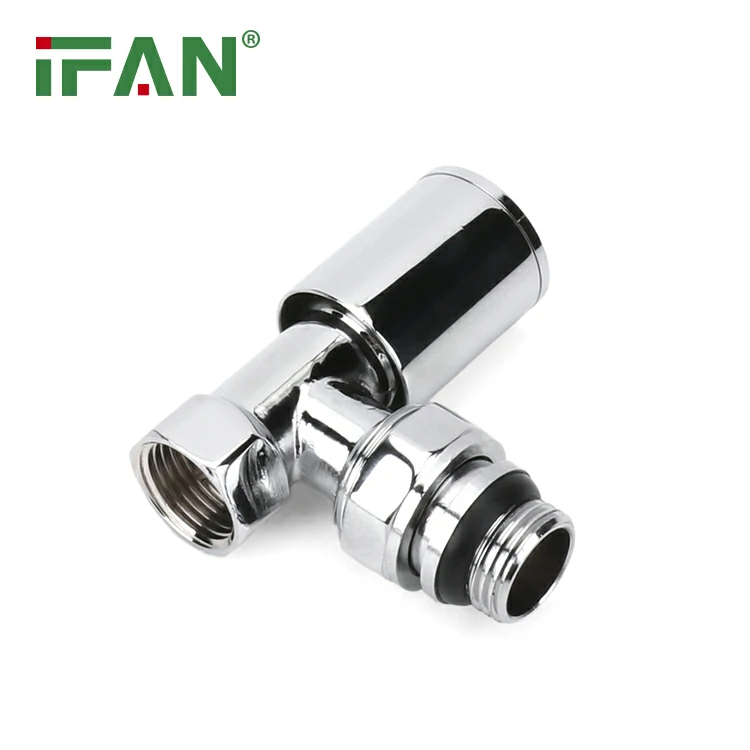
Your boiler thermostat is the master control. It sets the maximum water temperature. The Brass radiator valves are local controllers. They cannot make water hotter than the boiler allows. Set the boiler to a efficient temperature first. Then fine-tune with the radiator valves.
Using Thermostatic Radiator Valves
Thermostatic valves are automatic. They contain a wax or liquid capsule. This material expands with heat. It then restricts the water flow. It adjusts the radiator output constantly. This maintains a very stable room temperature. They are highly efficient.
Balancing Your Heating System
Balancing ensures even heat distribution. Radiators far from the boiler may need higher settings. Closer radiators may need lower settings. This prevents some rooms from being too cold. It is a crucial step for system efficiency. A plumber can do this professionally.
Settings for Different Times
Consider your daily routine. Lower settings when you are out or asleep. Smart thermostatic valves can do this automatically. Manual valves require you to adjust them. This practice can lead to substantial savings. It avoids heating empty spaces.
Troubleshooting Incorrect Settings
A cold radiator may have a low setting. Check the valve is not on 0 or 1. A constantly hot radiator may be on max. Ensure it is not stuck on the highest number. Understanding these simple checks helps. It can solve many common heating issues.
Achieving Efficiency and Comfort
The perfect setting is a balance. It provides personal comfort without waste. Your Brass radiator valves are key tools. Use them to create different zones in your home. There is no single perfect number for all. Experiment to find what works best for you. This ensures a warm and cost-effective home.