
Understanding the Basic Principle
A thermostatic radiator valve (TRV) is an automatic control. It regulates a radiator’s heat output. It works based on room temperature. It does not control boiler temperature. The goal is individual room comfort. It also improves energy efficiency.
Key Components of a TRV
The valve has two main parts. The valve body attaches to the radiator. The thermostatic head sits on top. The head contains the sensing element. The body has a pin that moves. This pin controls water flow.
The Thermostatic Head Core
Inside the head is a sensor. It is typically a wax capsule or bellows. This material expands with heat. It contracts when cooled. This physical movement is the driver. No electricity is required for basic operation.
The Valve Body Mechanism
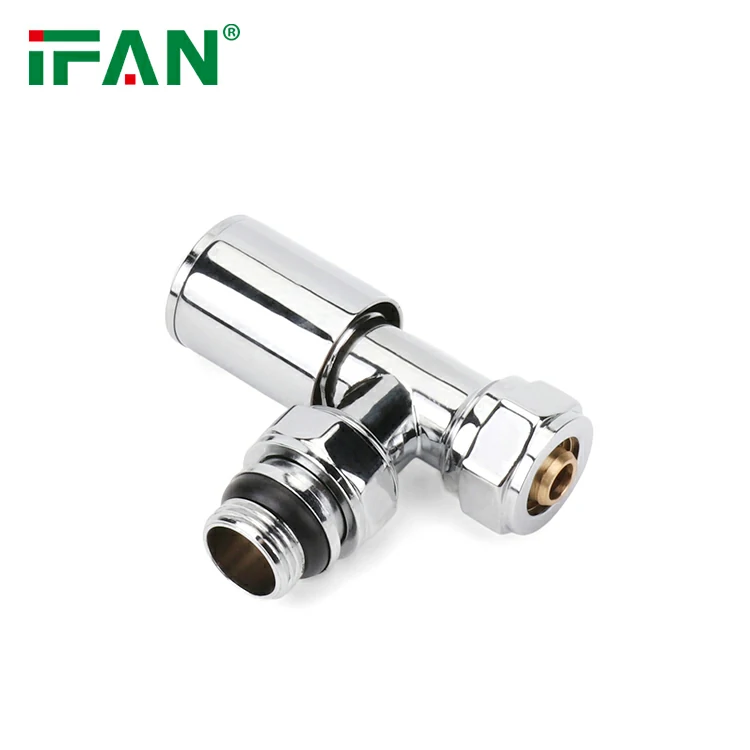
The valve body contains a plunger. The thermostatic head pushes this plunger. The plunger’s position restricts water flow. It acts like a gate in the pipe. Further movement opens the gate fully. This mechanism is simple and robust.
Setting the Desired Temperature
You turn the head to set temperature. Numbers like 1 to 5 are common. These correspond to a temperature range. For example, 3 is often 20°C (68°F). The head’s internal spring adjusts tension. This sets the activation point for the sensor.
The Automatic Control Cycle
The room air warms the thermostatic head. The sensor inside expands slowly. This expansion pushes the valve pin down. The radiator valve begins to close. Hot water flow into the radiator reduces. The radiator’s surface temperature then drops.
Responding to Cooling
The room temperature eventually falls. The thermostatic head senses this cooling. The sensor material now contracts. A spring pushes the valve pin upwards. The radiator valve opens again. Hot water returns to heat the room.
Benefits of Localized Control
Each room can have a different setting. A living room can be warmer. A bedroom can be cooler. This is called zoning. It prevents overheating in unused spaces. It saves energy and increases comfort.
Importance of Proper Placement
The thermostatic head must sense room air. Do not place it behind curtains. Do not install it in a drafty corner. These locations give false readings. The valve will not work correctly. Correct placement ensures accurate temperature control.
Interaction with the Boiler
TRVs only limit flow to radiators. They do not communicate with the boiler. A separate room thermostat is often needed. This thermostat tells the boiler when to cycle. Together, they create an efficient system. The boiler runs only when necessary.
Maintenance and Troubleshooting
TRVs can sometimes stick. The pin may get jammed by debris. Gently tapping the valve body can free it. The head should be removed for radiator painting. Always reinstall it correctly. A faulty radiator valve may need replacement.
Advantages Over Manual Valves
Manual valves offer only on/off control. TRVs provide continuous, automatic modulation. They maintain a steady temperature. They react to sunlight or crowds in a room. This fine control maximizes both comfort and savings. They are a key upgrade for any heating system.