
Understanding Valve Function and Sizing
A radiator valve controls hot water flow. Its size is crucial for system efficiency. An incorrect size causes poor heating performance. It can also lead to annoying noise. Proper sizing ensures comfort and saves energy. This choice involves several key steps.
Measuring the Radiator Tailpiece
First, examine your radiator. Locate the threaded tailpiece connection. This is where the valve will attach. You must measure its diameter. Common sizes are ½ inch and ¾ inch. Use a caliper or a thread gauge. An accurate measurement is the first step.
Identifying the Pipe Connection Size
The valve connects to your room’s pipework. This is the second critical measurement. The pipe size must match the valve’s other end. Domestic systems often use 15mm pipes. Older systems might have ½ inch or ¾ inch pipes. You must know this pipe’s external diameter.
Determining the Valve Type: Angled or Straight
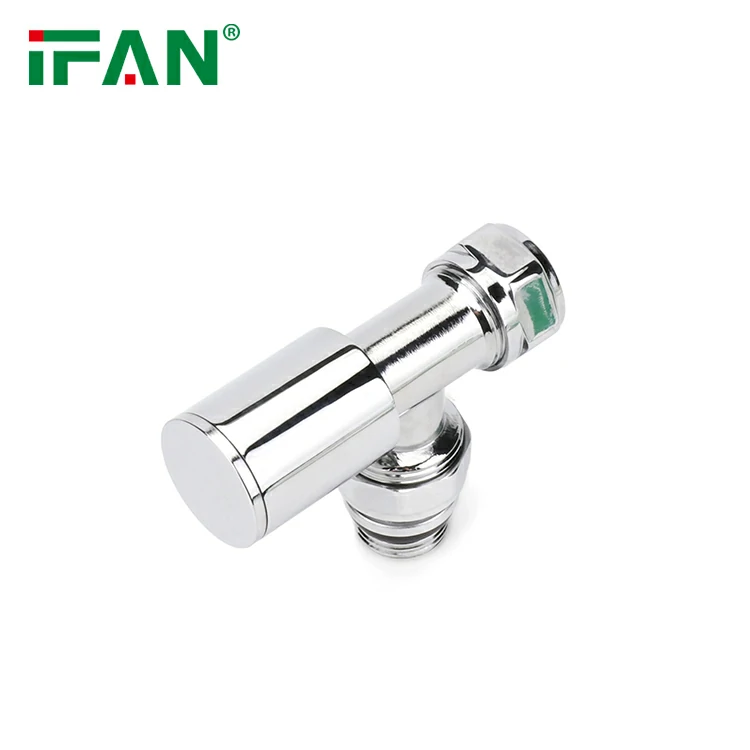
Radiator valves come in different shapes. Angled valves have a 90-degree bend. Straight valves are in-line. Your pipework dictates the choice. Pipes coming from the wall often need angled valves. Pipes rising from the floor may need straight valves. Choose based on your installation layout.
Choosing Between Manual and Thermostatic
Decide on the control type. Manual valves are simple on/off taps. Thermostatic valves (TRVs) are automatic. TRVs adjust flow based on room temperature. They improve comfort and reduce energy bills. Manual valves are cheaper but less efficient.
Considering the Pressure and Flow Rate
Your heating system has performance specifications. The valve must handle the system’s pressure. Check the valve’s pressure rating. Ensure it matches or exceeds your boiler’s output. A valve with too low a rating can fail. Always err on the side of higher tolerance.
Matching the Valve Style to Your Radiator
Valves have different aesthetic styles. Some are modern and sleek. Others are traditional with ornate details. The finish is also important. Choose chrome, brass, or white to match your radiator. The valve should complement your room’s decor.
Understanding Connection Standards
Plumbing standards vary by region. In the UK and Europe, the common standard is BSP (British Standard Pipe). Ensure your chosen valve uses this thread type. Using mismatched threads causes leaks. Adapters exist but complicate installation.
Accounting for System Compatibility
Consider your entire heating system. Some modern systems use specific valves. For example, low-temperature systems need full-bore valves. These valves offer minimal flow restriction. Consult your system installer or manual for advice.
Reading Product Specifications Carefully
Always study the manufacturer’s information. The product listing will state connection sizes. It will specify “½ inch BSP” or “15mm x ½ inch”. This tells you both pipe and radiator tail sizes. Do not assume all valves are the same.
Seeking Professional Advice When Unsure
If measurements are confusing, ask an expert. A qualified plumber can identify sizes quickly. They can also recommend the best valve type. This ensures correct function and avoids costly mistakes. Professional guidance is a wise investment.
Making the Final Decision and Purchase
Compile all your information: tail size, pipe size, type, and style. Purchase valves from a reputable supplier. Buy two valves per radiator (flow and return). Ensure you have all necessary sealing tape or compound. Correct sizing guarantees a warm, efficient, and quiet heating system.