
Understanding the Role of Radiator Valves
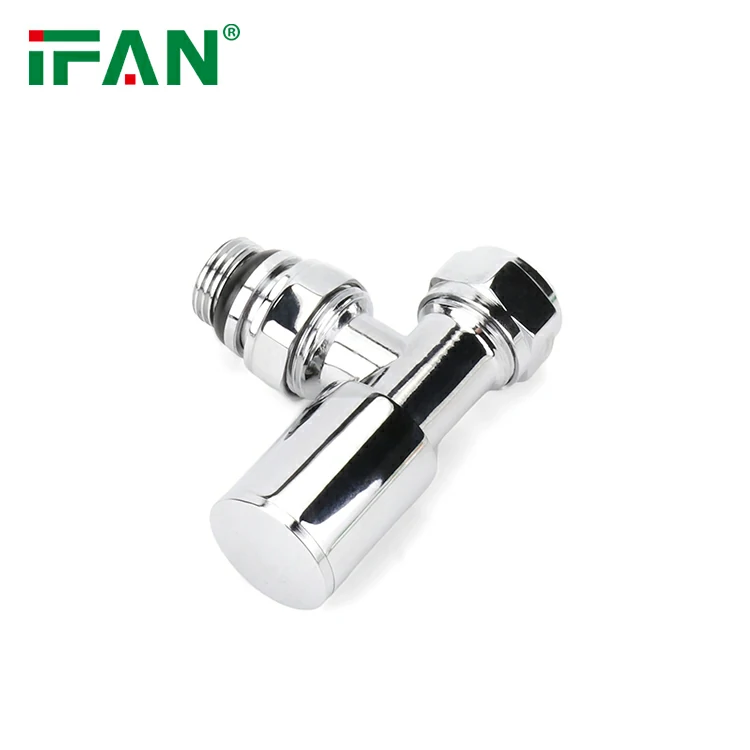
Radiator valves are simple control devices. They attach directly to radiators. Their job is to regulate hot water flow. This directly affects a room’s temperature. Their design seems basic. However, their impact on energy use is significant.
Controlling Heat Output Per Room
The primary function is zoning. You can turn down heat in unused rooms. A guest bedroom can be kept cooler. The living room can remain warm and cozy. This prevents wasteful overheating. You only heat the spaces you actually use.
The Efficiency of Thermostatic Valves
Thermostatic radiator valves (TRVs) are especially effective. They contain a temperature-sensitive element. This element expands or contracts with heat. It automatically adjusts the valve opening. It maintains a set room temperature constantly. This removes the need for manual adjustment.
Reducing Boiler Runtime
Closed valves restrict hot water flow. This signals back to the heating system. The boiler may cycle off sooner. It does not work as hard overall. Less fuel is consumed for the same comfort level. This reduces gas, oil, or electricity use directly.
Preventing Overheating and Waste
Without control, rooms often get too hot. People then open windows to cool down. This wastes all the heat produced. Radiator valves prevent this scenario. They stop the radiator before the room overheats. All generated heat is used effectively.
Complementing a Room Thermostat
A room thermostat measures temperature in one location. Valves manage heat everywhere else. Together, they create an efficient system. The thermostat controls the boiler’s main cycle. The valves fine-tune the distribution. This dual-layer control is highly efficient.
The Impact of Modern Smart Valves
Smart radiator valves offer advanced control. They can be scheduled via smartphone. You can lower heat when the house is empty. You can warm it before you return home. This avoids heating an empty building. The energy savings are substantial.
Balancing the Heating System
Properly adjusted valves balance the system. This ensures even heat distribution. Far radiators get enough hot water. Nearby radiators do not get too much. The boiler pump then works optimally. A balanced system uses less electrical energy for pumping.
Quantifying Potential Energy Savings
Studies show meaningful savings. The Energy Saving Trust provides estimates. Installing thermostatic valves can save fuel. Savings may reach 10-15% on heating bills. This depends on your home and previous controls. The payback period is often just one or two winters.
Correct Installation and Use
Savings depend on correct usage. Valves must be set appropriately. Do not block them with furniture or curtains. The thermostatic head needs free air flow. Setting all valves to maximum defeats the purpose. Intelligent use maximizes the benefit.
Long-Term Benefits and System Health
Beyond savings, they protect the system. They prevent strain on the boiler. They reduce wear from constant high-temperature operation. This can extend the boiler’s operational lifespan. It also improves overall home comfort levels.
A Clear Conclusion on Energy Saving
Yes, radiator valves can definitely save energy. They are a low-cost efficiency upgrade. They provide precise, room-by-room temperature control. This eliminates the waste of overheating unused spaces. When used correctly, they reduce fuel consumption and lower utility bills effectively. They are a simple yet powerful tool for energy conservation.