
This is a practical question for project planning. The lifespan is not a fixed number. It depends on several key factors. Proper use and maintenance are critical. High-quality HDPE Pipe Chamfering Tools can last for years.
Defining Tool Lifespan
Lifespan is measured in operational hours. It can also be measured in meters of pipe prepared. A tool doesn’t suddenly stop working. Its performance gradually declines. The cutting edges become dull over time. Eventually, it produces poor quality chamfers.
Primary Factor: Tool Quality
Quality is the most important factor. Cheap, low-grade steel tools wear quickly. They require frequent sharpening. High-quality tools use hardened carbide cutters. These resist wear much longer. Investing in premium brands extends service life.
Impact of Material: HDPE Abrasiveness
HDPE is a relatively soft thermoplastic. However, it can be slightly abrasive. Some grades contain additives or fillers. These can accelerate cutter wear. Consistently chamfering dirty pipes also increases abrasion. This will shorten the tool’s effective life.
Frequency and Volume of Use
A tool used daily will wear faster. A tool used weekly will last much longer. Large pipeline projects demand high volume. This puts significant strain on the cutters. Small-scale plumbing jobs cause minimal wear. Usage volume directly correlates with lifespan.
The Role of Proper Operation
Correct use prevents premature wear. Applying excessive force is damaging. Let the sharp cutter do the work. Using the wrong tool size causes strain. Operating at the wrong speed generates heat. This can soften and damage the cutting edges.
Importance of Regular Maintenance
Maintenance is crucial for longevity. Clean the tool after every use. Remove all plastic shavings and debris. Lubricate moving parts as instructed. Store the tool in a dry, clean place. This prevents rust and keeps it functioning smoothly.
Signs of Wear and Deterioration
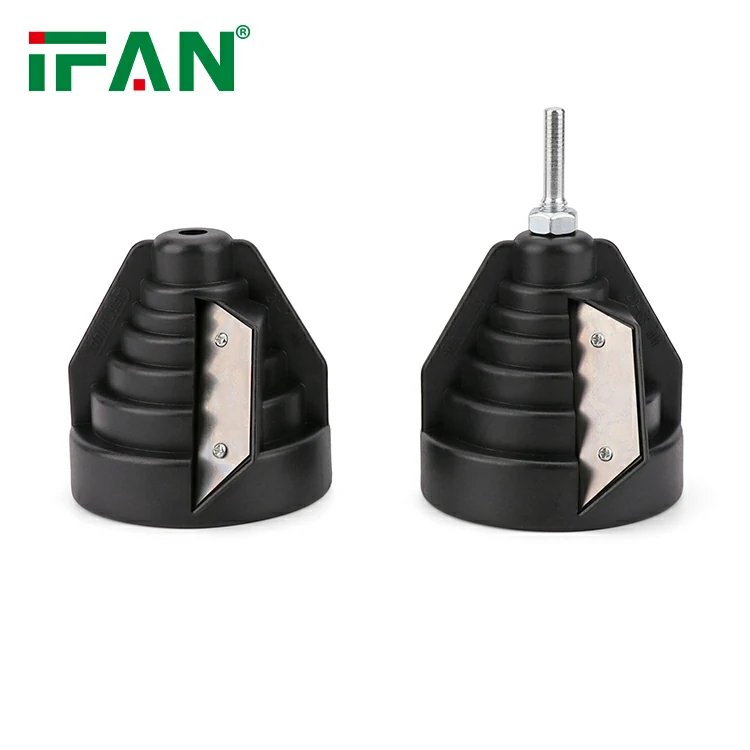
Recognize the signs of a worn tool. It requires more force to operate. The resulting chamfer is rough and uneven. It produces fine, powdery chips instead of curls. Visible nicks appear on the cutter blades. These indicate it needs service or replacement.
Sharpening and Blade Replacement
Many tools have replaceable cutter heads. This dramatically extends the overall tool life. Sharpening is possible for some models. It requires specialized equipment and skill. Always follow the manufacturer’s guidelines. This restores the tool to like-new condition.
Comparing Manual vs. Power Tools
Manual tools have fewer parts to fail. Their lifespan is often very long. Power tools have motors and gears. These components can wear out independently. The cutters may last, but the motor can fail. Overall longevity depends on the entire system.
Realistic Lifespan Expectations
A high-quality manual tool can last decades. It may only need occasional blade replacements. A power tool might last 5-10 years with care. Its lifespan depends on motor quality and usage. HDPE Pipe Chamfering Tools are a long-term investment.
Maximizing Your Tool’s Service Life
Buy quality tools from reputable brands. Use them correctly and gently. Perform regular cleaning and lubrication. Sharpen or replace cutters when needed. Store them properly in a protective case. These steps ensure you get the maximum value from your tool.