
HDPE pipes are widely used. They require specific preparation for joining. HDPE Pipe Chamfering Tools serve a critical role. They bevel the pipe’s outer edge. This creates a angled lead-in surface. It is essential for strong, reliable joints.
The Purpose of a Chamfer
A chamfer is a angled cut. It removes the sharp, square pipe edge. This edge can scrape fusion machine clamps. It can damage sensitive O-ring seals. The chamfer guides the pipe into fittings. It ensures a smooth, aligned connection.
Enhancing Fusion Joint Integrity
Butt fusion is a common method. It requires perfectly prepared pipe ends. A proper chamfer is a key step. It allows for even material flow during heating. This creates a consistent bead. The joint becomes as strong as the pipe itself.
Preventing Damage to Seals
In mechanical joint systems, seals are vital. A sharp pipe edge can cut or tear an O-ring. This causes immediate leakage. A chamfered edge slides past the seal smoothly. It protects the seal’s integrity. This ensures a watertight connection.
Facilitating Assembly and Alignment
Joining pipes can be physically challenging. A chamfer acts like a funnel. It helps guide the spigot end into the bell end. This makes assembly faster and safer. It reduces the force needed for installation. It also improves alignment accuracy.
Types of Chamfering Tools
Several tool types exist. Manual chamfering tools are hand-held. They are suitable for small projects. Power-driven tools are more efficient. They are ideal for large diameters. Automated tools offer precision for high-volume work.
Manual Hand-Held Tools
These are simple and portable. They often resemble a large pencil sharpener. The user rotates the tool around the pipe. They are perfect for field repairs. They work well on pipes up to 6 inches. They require more physical effort.
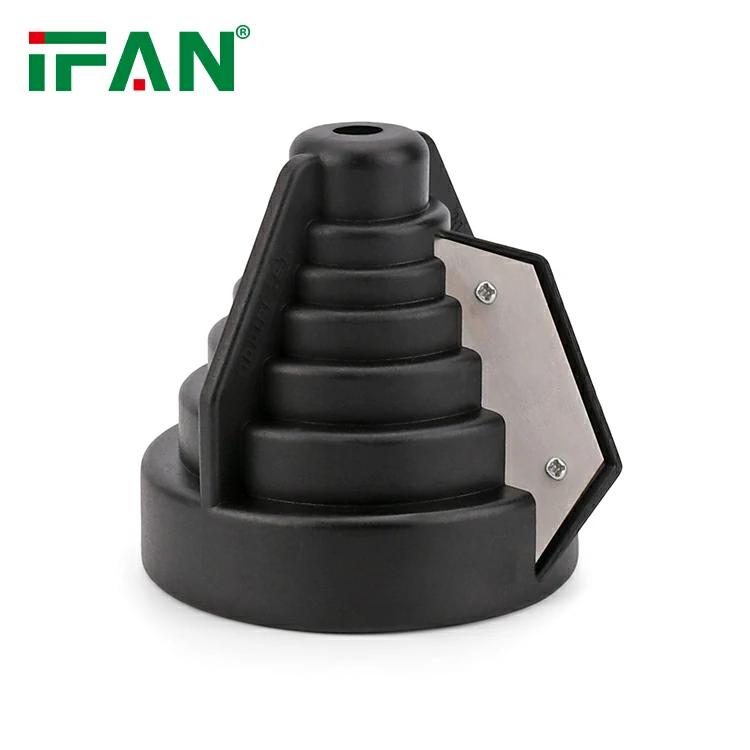
Power-Driven Chamfering Tools
These tools use electric or pneumatic motors. They attach directly to the pipe end. They provide a uniform chamfer quickly. They are essential for large-diameter pipes. They reduce worker fatigue significantly. They ensure consistent results every time.
The Chamfering Process Explained
The process is straightforward. First, secure the pipe firmly. Then, select the correct tool size. Apply the tool to the pipe’s end. Rotate it evenly around the circumference. Remove material until the bevel is continuous. Finally, clean any plastic debris.
Critical Specifications: Angle and Depth
The chamfer must be precise. A standard angle is 30 degrees. The depth is also crucial. It is typically 1/3 of the wall thickness. Following manufacturer specifications is mandatory. An incorrect chamfer can weaken the joint.
Safety During Operation
Safety is always important. Wear safety glasses and gloves. Secure the pipe to prevent movement. Ensure tools are sharp and well-maintained. Dull tools require more force. This can lead to accidents and poor results.
Conclusion: A Vital Step for Success
HDPE Pipe Chamfering Tools are indispensable. They are not optional for professional work. They prepare the pipe for a perfect joint. They prevent damage and ensure reliability. Investing in the right tool guarantees quality. It ensures the long-term performance of the pipeline.