Introduction to PEX Systems
PEX stands for cross-linked polyethylene, a flexible plastic pipe widely used in plumbing systems today.
It replaces traditional copper and PVC in many water distribution applications, including hot and cold lines.
PEX pipes are durable, corrosion-resistant, and easier to install than rigid alternatives.
However, PEX cannot function without connectors—this is where PEX fittings come into play.
Understanding the difference between PEX and PEX fittings is essential for designing efficient plumbing systems.
Each component plays a specific and critical role in fluid transport.
What Is PEX Pipe?
PEX pipe is the main tubing that carries water throughout a plumbing system.
It comes in three types: PEX-A, PEX-B, and PEX-C, each with unique manufacturing processes.
PEX pipe is known for its flexibility, which reduces the need for elbows and joints.
It resists scale, corrosion, and chlorine and handles temperature fluctuations well.
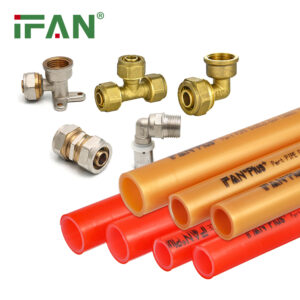
Color coding (red, blue, and white) helps installers identify hot, cold, and general-purpose lines easily.
PEX pipe is only part of a system—it requires PEX fittings for proper connection and flow control.
What Are PEX Fittings?
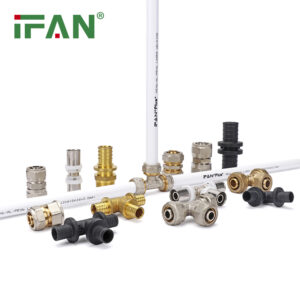
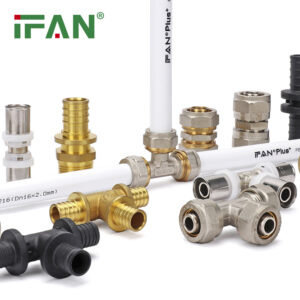
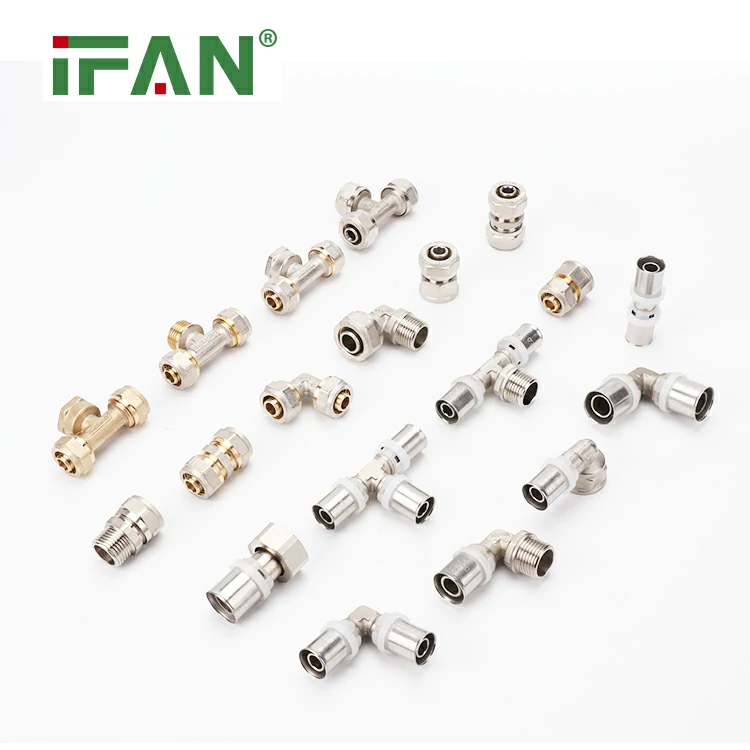
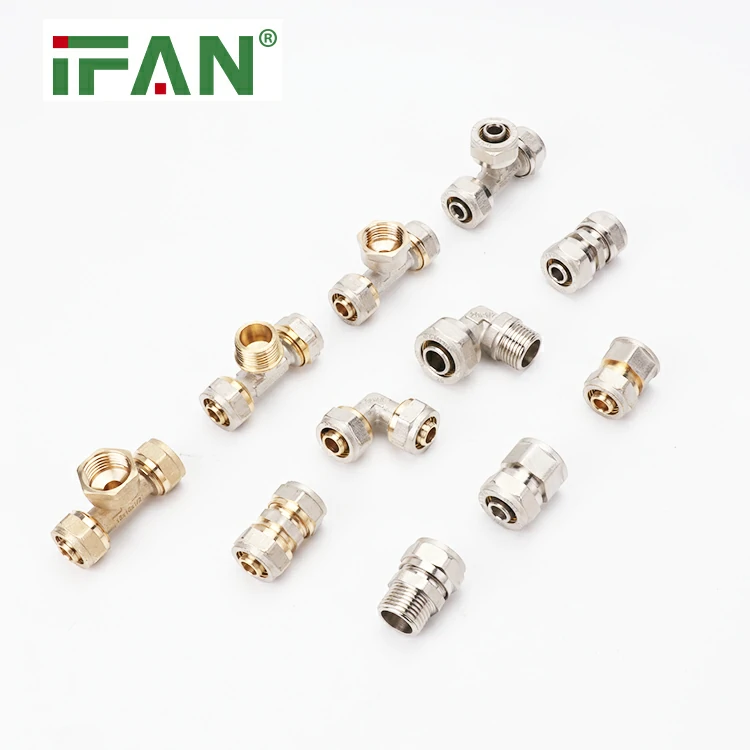
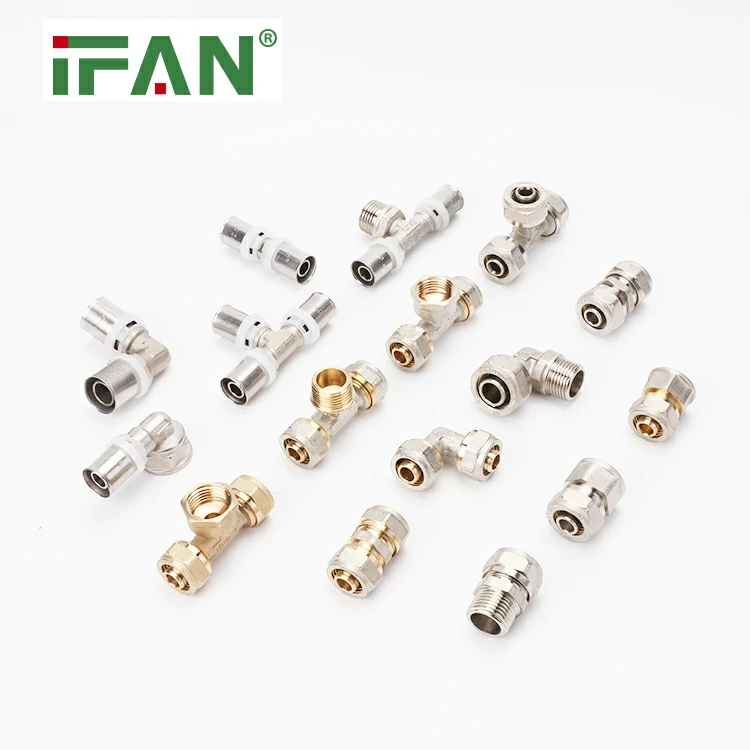
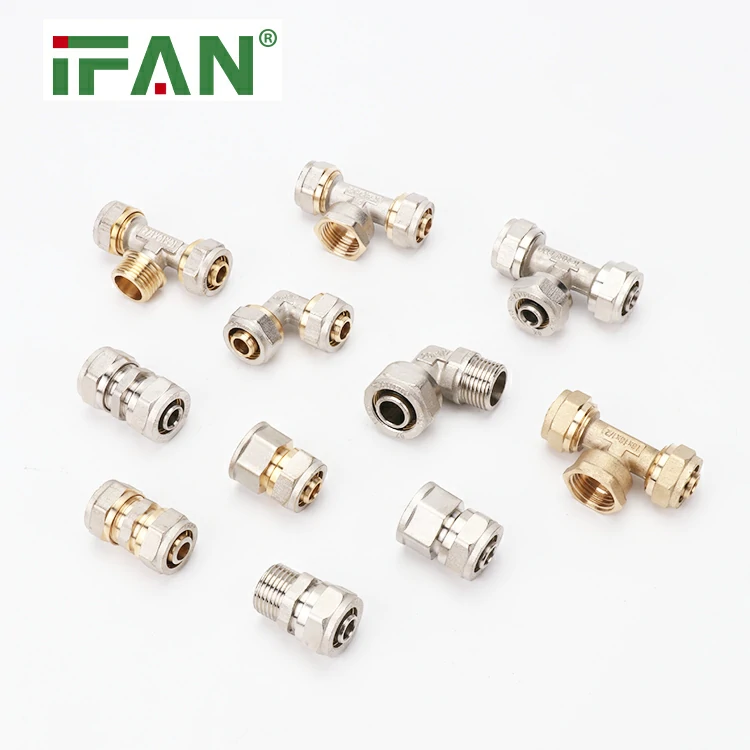
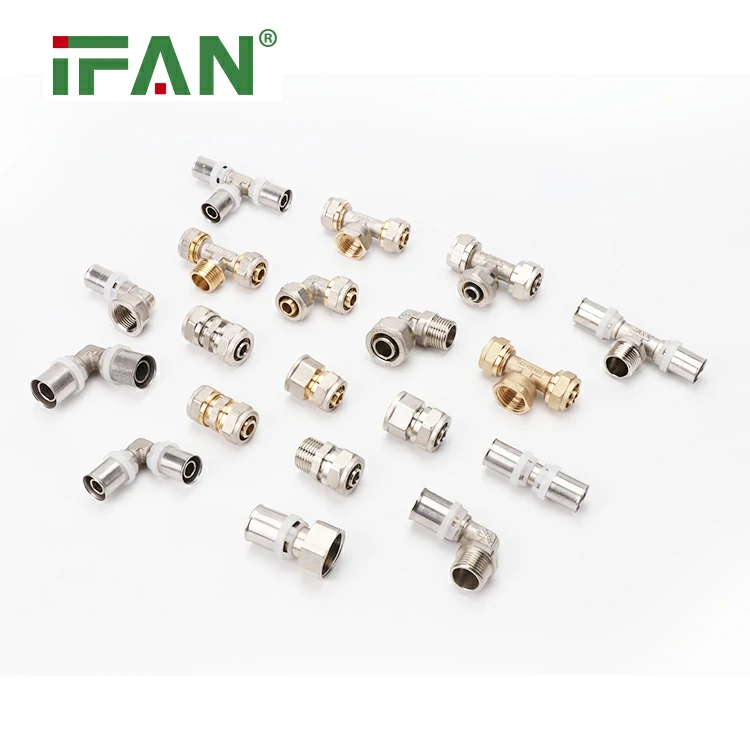
PEX fittings are components that connect two or more pieces of PEX pipe.
They are usually made from brass, polymer, or stainless steel and come in different shapes and sizes.
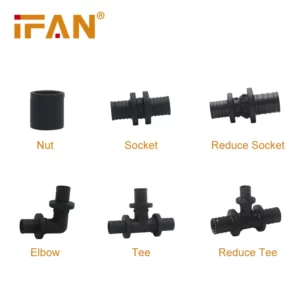
Types include elbows, tees, couplings, adapters, and valves.
PEX fittings ensure that pipes are securely joined and water flow is uninterrupted.
These fittings are installed using various methods, such as crimp, clamp, expansion, or push-to-connect.
PEX fittings are essential for creating custom layouts and adapting to existing plumbing systems.
Material Differences Between Pipes and Fittings
PEX pipes are always made of cross-linked polyethylene.
PEX fittings, however, may be made of metal or plastic.
Brass fittings are strong and durable but cost more than polymer options.
Plastic fittings are corrosion-resistant and suitable for non-metallic systems.
Different material choices impact cost, compatibility, and longevity.
The combination of PEX pipe and fitting material should suit the intended environment and system requirements.
Functional Differences and Their Roles
PEX pipe’s primary function is to transport water through walls, floors, and ceilings.
It offers flexibility, making installation faster and reducing the number of joints needed.
PEX fittings serve as connectors, directing flow and allowing for pipe branching or termination.
Without fittings, PEX pipe alone cannot form a usable plumbing system.
PEX fittings also include transition pieces that connect PEX to metal or threaded fixtures.
Both components work together to create an efficient and sealed network.
Installation Methods: Pipe vs. Fittings
Installing PEX pipe involves uncoiling and cutting the tubing to desired lengths.
Installation of PEX fitting requires specialized tools depending on the method.
Crimp and clamp rings are common methods for securing fittings to the pipe.
Expansion fittings require expanding the pipe before inserting the fitting.
Push-to-connect fittings snap into place without tools.
Proper installation of PEX fittings is essential to prevent leaks and maintain system pressure.
Durability and Maintenance Considerations
PEX pipes are known for longevity, often exceeding 25–long-term durability according to standards when installed correctly.
They are freeze-resistant and less likely to burst than rigid pipes.
PEX fitting, depending on material and method, may require periodic inspection.
Brass PEX fitting may be prone to dezincification in certain water conditions.
Plastic fittings are immune to corrosion but may crack under UV exposure.
Choosing the right combination of PEX pipe and fitting enhances overall system durability.
Cost and System Planning
PEX pipe is generally affordable and easy to transport and store.
PEX fittings vary in cost depending on material and connection method.
Push fittings are more expensive but save on labor and tool costs.
Crimp and clamp fittings are budget-friendly and common in residential construction.
Understanding the cost differences helps balance budget, labor, and performance expectations.
Planning your system with compatible PEX fitting and pipe ensures long-term efficiency.
Conclusion
PEX and PEX fittings are not the same but function together within a plumbing system.
PEX pipe transports water, while PEX fittings enable secure, leak-free connections.
Knowing the difference helps homeowners and professionals choose the right materials for any plumbing project.